South America27 May, 20262 min read
CARICOM Condemns US Threats Of Military Action Against Cuba After Meeting In Suriname
This article is an automated aggregation of coverage from news outlets. Our editorials offer in-depth analysis curated by the NewsCord team.
CARICOM condemned U.S. threats of military action against Cuba after Suriname meeting. Embargo starving Cuba of fuel, food, and other supplies, per condemnation.
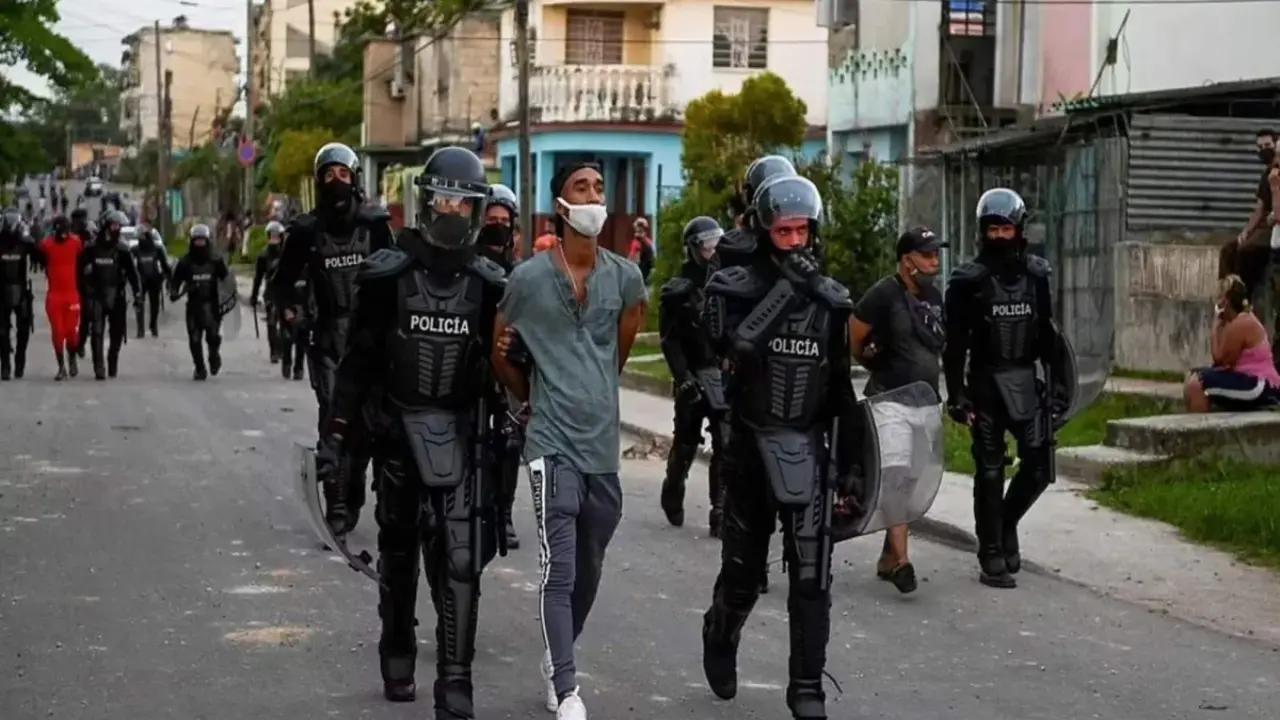
CARICOM targets Cuba threats
CARICOM foreign ministers condemned US threats of military action against Cuba after a meeting in Suriname, saying the statement suggested Cuba poses no threat to any country and deserves the right to procure fuel and other supplies. The CARICOM statement said it “unequivocally” affirms “Cuba’s sovereign right to import and receive fuel” and condemns “the obstruction of energy supplies to Cuba, which has precipitated a grave humanitarian crisis.”
The condemnation came hours after Jamaica’s main opposition People’s National Party (PNP) lashed out at the Trump administration for executive orders aimed at creating “severe hardship for the Cuban population,” including major disruption of its flagship health care systems. The CARICOM statement also said the ministers reaffirmed the need for the preservation of the Caribbean as a zone of peace and expressed alarm at statements suggesting possible military aggression against the Republic of Cuba.

Posters, arrests, and hunger
In Santiago de Cuba, critical posters against Raúl Castro appeared in the village of Dos Caminos in the municipality of San Luis, with inscriptions written in black pencil reading “Down with Raúl” and “Ping... there is hunger.” CiberCuba said the incident was initially reported by independent journalist Yosmany Mayeta Labrada and occurred at night, describing it as part of demonstrations that have become frequent in public spaces on the island.
The article said expressions of protest are often repressed, with authorities going to sites with experts, dogs, and specialized personnel to identify protesters and imprison them. It also pointed to last May’s sentencing of Jorge Luis Boada Valdés to nine years in prison for an anti-government poster, with the messages repeating “Down with Raúl” and “Ping... there is hunger.”

Counter-rally and Diaz-Canel
Six days after historic protests against the Communist government on July 11 in more than fifty cities and towns, leaving one dead, dozens injured and more than a hundred arrests, Cuba’s authorities mobilized supporters for a “revolutionary reaffirmation” rally on the Malecón in Havana. At the rally, President Miguel Díaz-Canel denounced the “overflowing hatred on social networks” and said, “What the world is seeing of Cuba is a lie,” while AFP reporters observed a man shout “Patria y Vida” before he was arrested by security forces.
The rally drew thousands summoned since dawn through workplaces and universities, with supporters applauding Díaz-Canel and Raúl Castro, who was present despite being aged 90 and forced to temporarily come out of retirement due to the gravity of the situation. The Tribune de Genève reported that Díaz-Canel asserted “this is not a government that represses its people,” while also repeating that “no lie has been committed by chance or by mistake” and accusing the United States of provoking the July 11 protests.