
CENTCOM Kicks Off Project Freedom With Safe Passage of Two U.S.-Flagged Ships Through Strait of Hormuz
Key Takeaways
- CENTCOM launched a new safe-passage plan, enabling two U.S.-flagged ships.
- The plan aims to restore freedom of navigation and protect commercial shipping.
- Trump framed it as humanitarian; CENTCOM cites destroyers, 100+ aircraft, and 15,000 troops.
Project Freedom Begins
The U.S. Central Command said its new plan to protect commercial shipping in the Strait of Hormuz kicked off Monday with the safe passage of two U.S.-flagged merchant ships, an operation CENTCOM dubbed “Project Freedom.”
CENTCOM said the mission is designed to “restore freedom of navigation for commercial shipping” through the “strategically vital body of water,” and it posted the details on X.

In the same CENTCOM message, the command said “U.S. Navy guided-missile destroyers are currently operating in the Arabian Gulf after transiting the Strait of Hormuz in support of Project Freedom.”
CENTCOM added that “American forces are actively assisting efforts to restore transit for commercial shipping,” and it described the first step as “2 U.S.-flagged merchant vessels” that “have successfully transited through the Strait of Hormuz and are safely headed on their journey.”
The War Zone reported that CENTCOM “didn’t say which ships transited the Strait,” and it said it was “unclear if the Navy destroyers escorted them.”
The Guardian reported that Donald Trump wrote on Monday that the U.S. navy would “guide” stranded ships out of the waterway under “Project Freedom,” and it said Trump framed the operation as a humanitarian gesture “on behalf of the United States, Middle Eastern Countries but, in particular, the Country of Iran.”
The War Zone also said CENTCOM described Project Freedom as involving “guided-missile destroyers, over 100 land and sea-based aircraft, multi-domain unmanned platforms, and 15,000 service members,” and it quoted CENTCOM saying “A quarter of the world’s oil trade at sea and significant volumes of fuel and fertilizer products are transported through the strait.”
Iran’s Warnings and Mine Risks
The launch of Project Freedom came after Iran closed the Strait following “being attacked by the U.S. and Israel on Feb. 28,” according to The War Zone, which said Iran warned the move would “threaten the fragile ceasefire” and that it would “attack any ships transiting the Strait without permission.”
The War Zone reported that Iran’s position was reinforced by an Islamic Revolutionary Guard Corps warning that “maritime movements of vessels, contrary to the regulations declared by the Iranian Navy, would face serious risks, and that they would be stopped by force.”
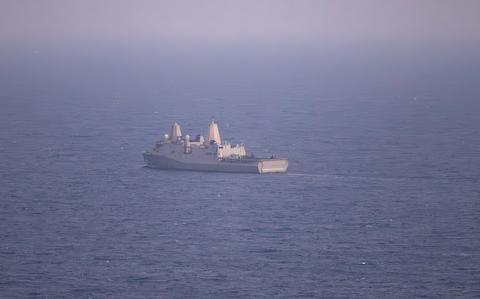
The same War Zone account said the IRGC added that it maintains control over the Strait and that ships adhering to its rules will be safe, while also calling Project Freedom and the “ongoing U.S. naval blockade of Iranian ports” acts of “piracy.”
The War Zone further reported that CENTCOM said “No U.S. Navy ships have been struck,” and it quoted CENTCOM: “U.S. forces are supporting Project Freedom and enforcing the naval blockade on Iranian ports.”
The War Zone described a separate claim from Iranian media that “two missiles struck a U.S. Navy patrol boat,” and it said CENTCOM denied the report with “No U.S. Navy ships have been struck.”
The War Zone said U.S. Navy Central cautioned vessels “choosing to transit the Strait of Hormuz” to “consider routing via Oman territorial waters south of the Traffic Separation Scheme,” and it warned that “Transit via or in close proximity to the Traffic Separation Scheme should be considered extremely hazardous due the presence of mines that have not been fully surveyed and mitigated.”
The Guardian added that about 20% of global oil and liquefied natural gas typically passes through the strait, and it said the flow has come to avirtual standstill since the “US-Israeli war with Iran began on 28 February.”
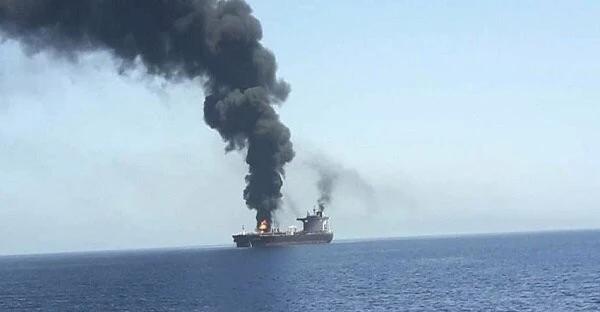
In a separate thread of risk, the War Zone reported that the UAE said “one of its oil tankers was attacked by two Iranian drones as it sailed through the Strait,” and it quoted the UAE condemning “the targeting of a national tanker affiliated with [Abu Dhabi National Oil Company] ADNOC while passing through the Strait of Hormuz.”
Industry Doubts and Insurance
Even as CENTCOM said two U.S.-flagged merchant vessels “have successfully transited through the Strait of Hormuz,” shipping industry voices questioned whether the plan would make travel safe enough to resume broader commerce.
“The world’s shipping industry has questioned whether vessels will be able to travel safely to and from the Gulf after Donald Trump announced his latest plan to open the strait of Hormuz”
The Guardian reported that shipping industry experts questioned whether the president’s plan could be sustainable or if it would be a limited operation to get some of the trapped ships out, noting that “About 20% of global oil and liquefied natural gas (LNG) typically passes through the strait but that flow has come to avirtual standstill.”
The Guardian quoted Sascha Meijer, the general secretary of the seafarers’ union Nautilus, saying: “Seafarers stuck in the strait would really appreciate protection to get ships sailing out. But is this protection sure? How about mines? Are the ships insured? Is this offer enough? It is really too soon to conclude if this is good news or creates more danger.”
The Guardian also quoted an oil tanker captain stuck in the strait, Raman Kapoor, who told BBC Radio 4’s World at One programme that he “would not take this risk” of attempting to leave, adding: “As a captain it is my duty as well to assess the situation. I have to take the consent of [the] whole crew – whether they are willing to put their lives at risk. It’s a long process,” he said.
Stars and Stripes reported that U.S. forces were prepared to help stranded ships make it out, but it said information on how the effort will take shape is “scant so far,” and it described the mission as stopping “short of a full naval escort through the crucial maritime corridor.”
Stars and Stripes quoted Marcus Baker, the global head of marine, cargo and logistics for Marsh Risk, saying: “I suspect much more detail will be needed as to how this proposal will work in practice and if it can be proven to enhance the safety of shipping.”
Stars and Stripes also said the Joint Maritime Information Center advised vessels to consider crossing near Oman, and it described the U.S. as establishing an enhanced security area to support the transits.
The War Zone added that UKMTO said strait transits had fallen by more than 90%, leaving “850 merchant ships and around 20,000 sailors trapped inside the Gulf and unable to leave,” which underscored the scale of the disruption that industry leaders were weighing against the new plan.
Conflicting Claims and Denials
The reporting around Project Freedom quickly split into competing narratives about whether U.S. forces were hit and what ships actually transited the strait.
The War Zone said Iranian media claimed “two missiles struck a U.S. Navy patrol boat,” and it said CENTCOM denied the claim with “No U.S. Navy ships have been struck,” while also stating “U.S. forces are supporting Project Freedom and enforcing the naval blockade on Iranian ports.”

The Guardian similarly described that “within hours Iran’s Fars news agency reported a US warship intending to pass through the strait had been hit by two missiles and turned back after ignoring an Iranian warning,” and it said “The US denied its ship had been hit.”
The War Zone also reported that Iranian media offered “no proof of the attack,” and it said CENTCOM denied the claim in a post on X.
Meanwhile, the War Zone reported a separate UAE statement that “one of its oil tankers was attacked by two Iranian drones,” which added another layer of contested incidents around the same corridor.
The War Zone also said CENTCOM didn’t specify which ships transited, and it reported that it was “unclear if the Navy destroyers escorted them,” leaving room for uncertainty about the scope of U.S. involvement.
The East (روزنامه شرق) account described “claims, conflicting narratives, and military statements from various sides about the security situation,” and it said that while CENTCOM and news agencies described two American-flagged ships passing in the first phase, “navigational data and media reports, including Al Jazeera and ship‑tracking sources, reported the passage of an LNG carrier from Iran named 'Zavia'.”
East (روزنامه شرق) also said regional sources claimed an ADNOC-affiliated tanker was targeted by a drone strike, while it reported that “The Public Relations of the Islamic Republic of Iran Army” said the Navy “prevented American destroyers from entering the Strait of Hormuz.”
What Comes Next
Across the sources, the next phase of Project Freedom is framed as a test of whether threats can be managed without escalation, but the reporting also emphasizes that the corridor remains dangerous.
“According to East Media Group, Mousa Movahed: The latest developments surrounding the so‑called Freedom Project proposed by Donald Trump and backed by the U”
Stars and Stripes said CENTCOM declined to provide additional details on whether Project Freedom would involve escorting ships, and it reported that the U.S. had established an enhanced security area and that the Joint Maritime Information Center advised vessels to consider crossing near Oman.
Stars and Stripes also quoted Bryan Clark, a senior fellow at the Hudson Institute, saying that the new effort suggests “that the Navy has verified a path through the strait that is clear of mines,” and it quoted him adding that “the U.S. leads the Combined Maritime Forces, a 47-nation coalition based out of Bahrain.”
Clark also warned that the U.S. may want to test Tehran’s willingness to follow through on its threats, and he said: “If (Iran) doesn’t attack shipping, then the strait is provisionally open and shipping could resume, albeit at some risk.”
The War Zone reported that NAVCENT cautioned routing through Oman territorial waters and warned that transit near the Traffic Separation Scheme is “extremely hazardous” due to mines not fully surveyed and mitigated, which directly undercuts any assumption of immediate safety.
The Guardian reported that Trump did not provide details about how the more than 850 vessels trapped in the Gulf would be freed, and it quoted Trump on Truth Social: “I have told my Representatives to inform them that we will use best efforts to get their Ships and Crews safely out of the Strait,” and it added that “In all cases, they said they will not be returning until the area becomes safe for navigation, and everything else.”
The War Zone also reported that the IRGC warned Project Freedom violates the April 8 ceasefire agreed to by the U.S. and Iran, and it said the IRGC called the plan “piracy” while warning ships would be stopped by force.
In the Al Jazeera segment included in the source set, Raman Kapoor is quoted warning that “no vessel will attempt to exit the Strait of Hormuz without assurance of safety,” reinforcing the idea that even with a U.S. evacuation plan, captains may refuse to transit without guarantees.
More on USA

U.S. Sinks 7 Iranian Boats as Iran Launches Missiles and Drones at UAE
10 sources compared

Secret Service Officers Shoot Armed Suspect After Gunfire Near White House
27 sources compared
U.S. Sinks Six Iranian Boats, Shoots Down Missiles and Drones in Strait of Hormuz
34 sources compared

Shooting At Arcadia Lake Party Near Oklahoma City Sends At Least 10 To Hospitals
18 sources compared