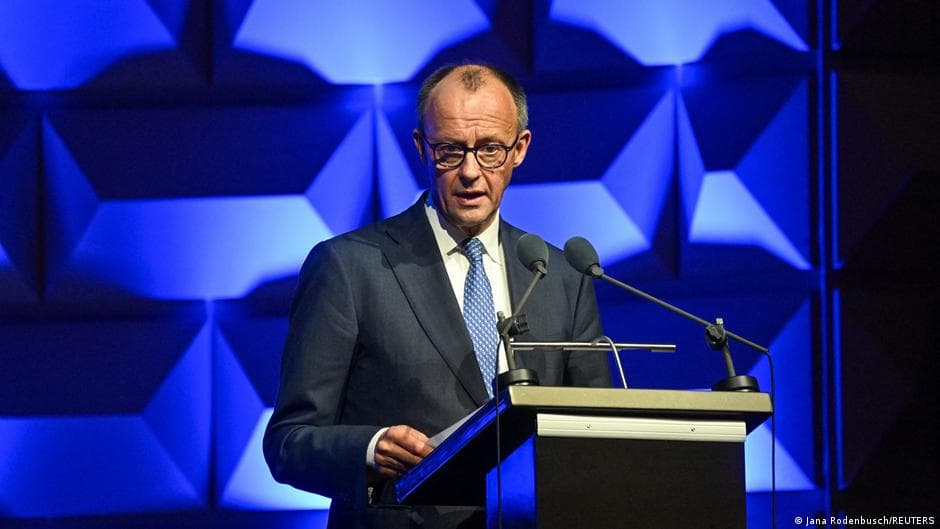
Chancellor Merz Distances Himself From Trump After White House Visit
Key Takeaways
- German Chancellor Merz distances himself from Trump after White House visit.
- Over the past year, Merz shifted from critic to closer with Trump.
- During the White House visit, he expressed understanding for US-Israel attacks.
Merz's Diplomatic Distance
Chancellor Friedrich Merz has distanced himself from President Trump following their White House meeting.
“Chancellor Friedrich Merz has gone back and forth in his relationship with Donald Trump: A year ago, Merz presented himself as a sharp critic of Trump”
Germany faces growing economic and political challenges stemming from the ongoing Iran war.
Merz expressed significant concerns about the lack of a joint US-Israel plan to bring the war to a swift conclusion.
He warned that a drawn-out conflict would have far-reaching consequences for Europe's security, energy supply, and migration.
The German chancellor faces a double dilemma regarding Russian sanctions.
He wants to maintain sanctions against Russia to keep pressure on Moscow regarding Ukraine.
He also needs to address public demands for relief from high energy prices.
Trump's call to suspend sanctions in the energy sector plays into the hands of Germany's far-right AfD party.
The AfD advocates ending Russian sanctions and is far ahead in polls for upcoming state elections.
Economic Consequences
The economic impact of the Iran war is becoming increasingly severe for Germany.
The Ifo Economic Institute predicts the conflict will dampen economic recovery and fuel inflation.
If the war ends soon, Germany's economic growth this year would be reduced by 0.2% to 0.8%.
If the war continues longer, growth would have to be reduced by 0.4%.
Germany is already struggling to emerge from recession.
The country relies on massive new investment that has resulted in rising public debt.
German companies are filing for bankruptcy or relocating operations abroad.
Unemployment rates are rising.
These economic pressures threaten to undermine Merz's most important political goal - economic recovery.
Political Challenges
Merz faces political challenges from upcoming state elections in September.
“Chancellor Friedrich Merz has gone back and forth in his relationship with Donald Trump: A year ago, Merz presented himself as a sharp critic of Trump”
The elections will be held in the eastern states of Saxony-Anhalt and Mecklenburg-Western Pomerania.
The far-right AfD party is currently far ahead in polls in these regions.
The AfD advocates an end to sanctions against Russia.
This position resonates strongly as public opinion opposes German involvement in the Iran war.
Merz has worked to build a good relationship with Trump.
He now finds himself forced to distance himself again.
The chancellor's dilemma is shared across Europe.
The UK and France have remained reserved about military contributions to Trump's Iran war.
European allies show very low willingness to follow the US into this conflict.
The war was initiated without consulting European allies.
More on Iran

Israel strikes Iran's Pars gas field as Tehran vows revenge
14 sources compared
Trump threatens to blow up South Pars gas field if Iran attacks Qatar again
10 sources compared
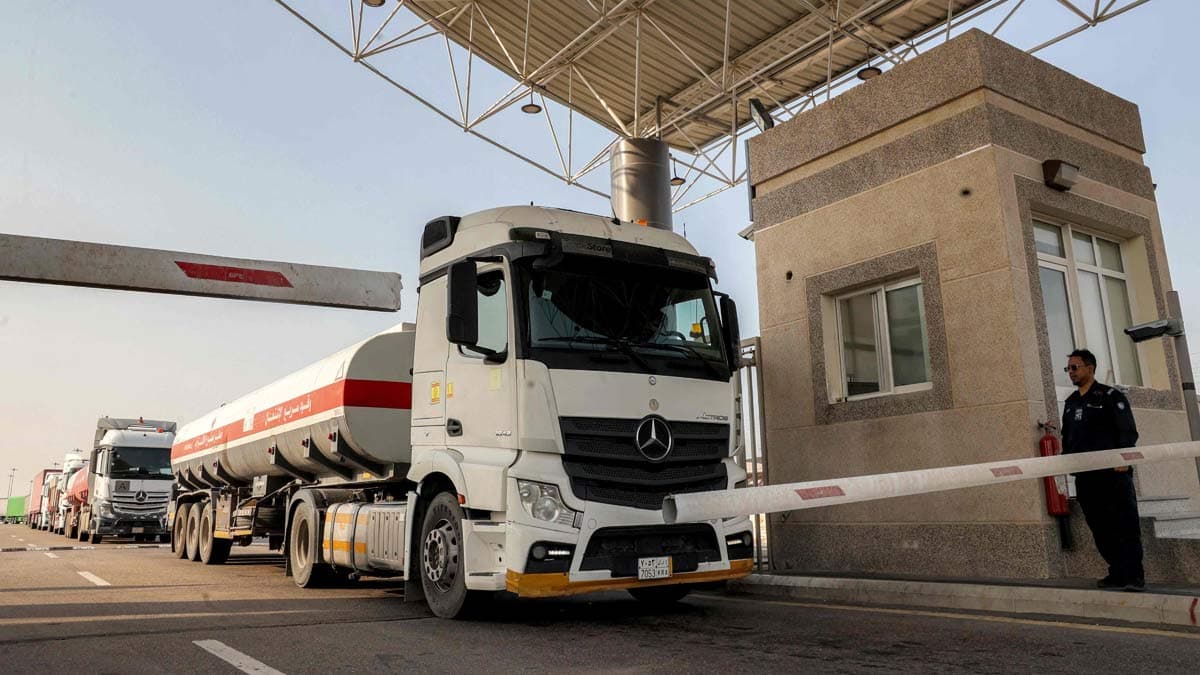
UAE Halts Habshan Gas Facility Operations After Debris From Intercepted Missiles
10 sources compared

Iran Threatens Gulf Energy Facilities After Israel Strikes South Pars Gas Field
11 sources compared