Britain27 January, 20262 min read
Chancellor Rachel Reeves Cuts Business Rates for Pubs and Live Music Venues by 15% and Freezes Bills for Two Years
This article is an automated aggregation of coverage from news outlets. Our editorials offer in-depth analysis curated by the NewsCord team.
Pubs and live music venues in England receive a 15% business rates discount from April Business rates bills in England are frozen in real terms for two years

15 outlets told this the same way.
Outlets did split on UK Police Charge Teddy Young With Spying For Foreign Power, Royal Navy Member →
Pubs and live music support
Chancellor Rachel Reeves announced a targeted support package for pubs and grassroots live music venues in England. The package cuts business rates by 15% from April 2026 and freezes bills in real terms for the following two years. The government said the measures build on the Autumn Budget and aim to help local high streets.
“The plan is expected to save the average pub about £1,650 in 2026/27, with around 75% of pubs seeing bills fall or stay flat that year and the sector paying about 8% less in business rates by 2029 than today.”
It also framed the package as part of a broader High Streets Strategy and said it would save the average pub about £1,650 in 2026/27. The government added that roughly three-quarters of pubs will see bills that fall or stay flat next year. Other outlets reported the move as a response to intense industry backlash and emphasised it follows the removal of a Covid-era hospitality discount and a revaluation that had threatened sharp bill increases.
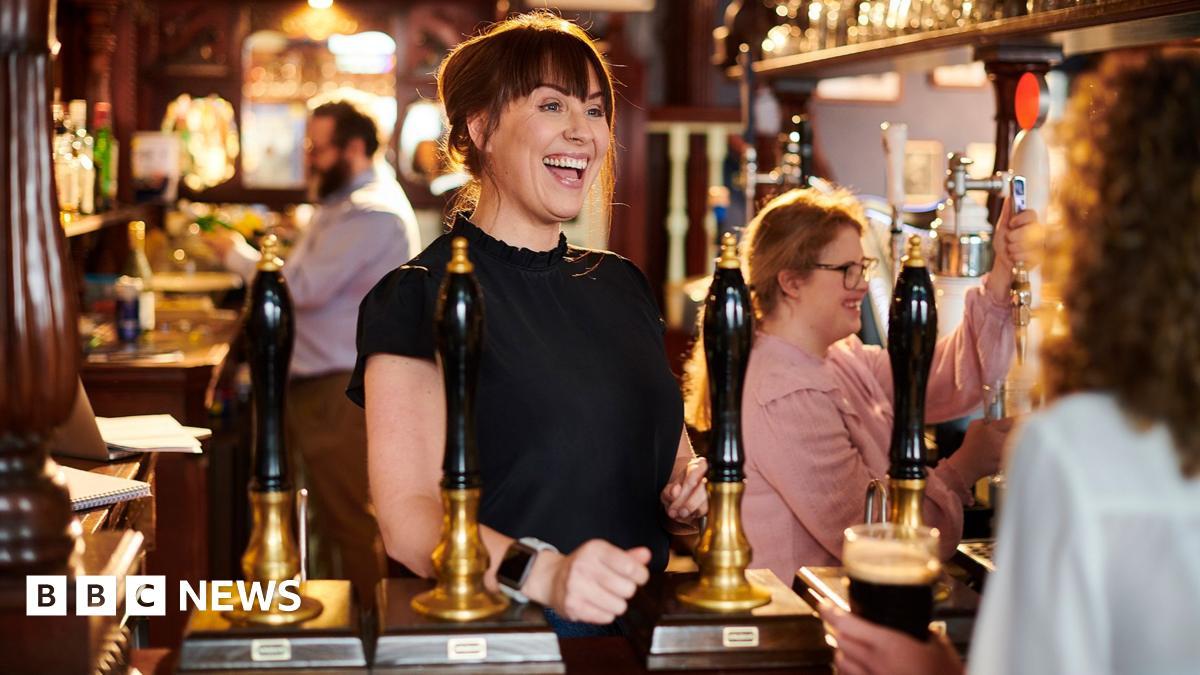
Hospitality support package measures
Beyond the headline 15% discount and two‑year freeze, the package includes a review of how pubs are valued for business rates, a boost to the Hospitality Support Fund, and temporary licensing relaxations for late events. The government says these measures will help venues adapt and remain viable. Several sources describe the review and licensing changes as central to the plan.
Government and Treasury ministers frame the valuation review as a way to implement changes at the 2029 revaluation. SME Magazine and Small Business UK list concrete short‑term support such as the Hospitality Support Fund being increased to £10m over three years.
Industry reaction to relief
The reaction from industry groups and analysts was mixed. Trade bodies such as the British Beer & Pub Association welcomed the intervention as a short-term lifeline. Property and ratings specialists warned the measures expose flaws in valuation and subsidy rules and do not address long-term structural pressures.
“The chancellor announced a new support package for pubs and live music venues: a further 15% cut to 2026 business rates bills from April and a two‑year real‑terms freeze afterwards.”
BE News, SME Magazine and the Morning Advertiser called for deeper, permanent business-rates reform. They also noted the relief will be limited for larger chains by subsidy rules and that valuation methodology remains complex.
Estimated pub savings
Most official and industry reports estimate the average saving at around £1,650 next year, and about 75% of pubs are expected to see bills fall or stay flat, with the sector paying roughly 8% less in business rates by 2029.
A few outlets reported different figures: LBC said the package was 'estimated to be worth about £1,500 per pub this coming year' and that the measure 'adds almost £100m' to existing Budget support, while other sources and the Treasury used the £1,650 figure and the 8% sector reduction projection.

Hospitality budget U-turn coverage
Outlets portray the step as a U-turn after intense sector anger at Autumn Budget changes that scrapped a 40% Covid hospitality discount and introduced a revaluation that threatened steep bill rises. Coverage highlights symbolic actions such as landlords banning Labour MPs and warnings that many hospitality businesses outside pubs and venues remain exposed.
“The UK government will cut property tax bills for pubs and music venues in England by 15% in 2026/27 and 'freeze' them in real terms for the following two years, a package the Treasury says will be worth about £1,650 to the average pub next year.”
Sources including Irish News, EDP24 and Small Business UK describe the targeted nature of the intervention and the political fallout. GOV.UK and Treasury spokespeople present the move as a deliberate strategy to help communities and high streets.
