Full Analysis Summary
UK Child Benefit Cap Plans
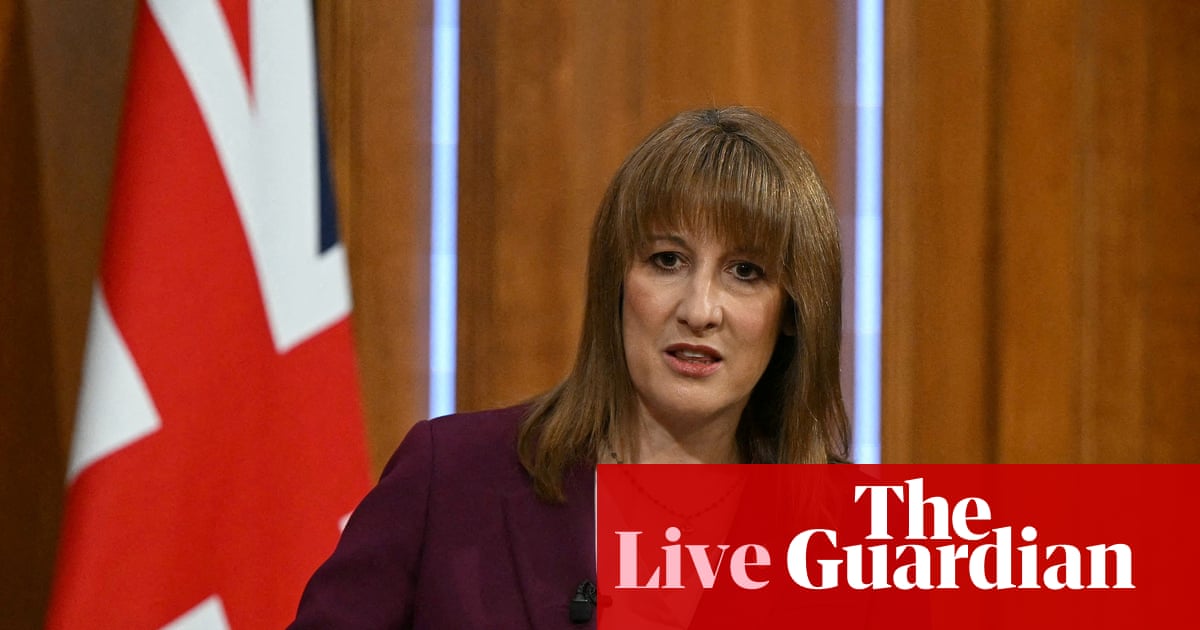
Chancellor Rachel Reeves has signalled an intention to end the UK’s two-child benefit cap as part of a broader push to reduce child poverty.
Sources differ on how definite the pledge is and how it is framed.
The Guardian reports that, although there were earlier suggestions she might merely soften the policy, Reeves’ recent comments suggest she intends to fully abolish it.
She stressed that children should not suffer due to their parents’ financial difficulties or family size.
Sky News similarly reports Reeves indicated that the party may scrap the cap as part of efforts to reduce child poverty.
Hillingdon Times places the announcement within a live debate, noting Labour figures hint at scrapping it.
The report also cites campaigners who say the cap pushes 109 children into poverty daily.
Coverage Differences
Tone/Certainty
The Guardian (Western Mainstream) frames Reeves’ stance as a clear shift toward full abolition, stating her “recent comments suggest she intends to fully abolish it,” whereas Sky News (Western Mainstream) hedges with the phrasing that Reeves “indicated that the party may scrap the cap.” Hillingdon Times (Other) presents it as an ongoing debate with Labour figures who “hint at scrapping it,” emphasizing uncertainty rather than a definitive pledge.
Missed information
Hillingdon Times (Other) includes a specific campaigners’ estimate of harm—“pushes 109 children into poverty daily”—that neither The Guardian (Western Mainstream) nor Sky News (Western Mainstream) mentions in their coverage.
Narrative focus
The Guardian (Western Mainstream) centers moral arguments and alignment with Labour’s anti-poverty mission, while Sky News (Western Mainstream) frames the development within an ongoing political contest. Hillingdon Times (Other) balances political signals with headline statistics and public debate context.
Political Debate on Welfare Cap
Reeves’ push is meeting fierce resistance from the Conservatives and scrutiny over costs, with sources diverging on emphasis: fiscal risk, public opinion, or moral purpose.
Sky News reports strong opposition from the Conservative Party, quoting leader Kemi Badenoch who said the government must live within its means and that welfare should be controlled.
Badenoch also accused Reeves of plotting tax rises and suggested Reeves should resign if pledges are broken.
Hillingdon Times highlights polling and price tags, noting a YouGov finding that 59% of Britons want the cap to remain.
The Resolution Foundation estimates that easing or abolishing the cap could cost £2.4 to £3.5 billion by 2029/30 while significantly reducing child poverty.
Hillingdon Times also reports that Shadow Chancellor Sir Mel Stride called scrapping the cap irresponsible.
The Guardian, by contrast, underscores Labour’s anti-poverty rationale and alignment with Keir Starmer’s stance, mentioning internal political resistance but focusing less on Conservative attacks.
Coverage Differences
Tone/Political confrontation
Sky News (Western Mainstream) heightens the combative angle by reporting that Kemi Badenoch “suggested Reeves should resign,” while Hillingdon Times (Other) emphasizes public opinion and costings instead of personal attacks. The Guardian (Western Mainstream) foregrounds Labour’s moral framing and continuity with Starmer, with limited detail on Conservative criticisms.
Missed information/Data emphasis
Only Hillingdon Times (Other) supplies the Resolution Foundation cost range and explicit polling figures, which are absent from both Sky News (Western Mainstream) and The Guardian (Western Mainstream).
Framing of fiscal responsibility
Sky News (Western Mainstream) reports Badenoch’s argument that “welfare spending should be controlled,” casting abolition as a budgetary risk; Hillingdon Times (Other) presents both the fiscal cost and the projected impact on child poverty; The Guardian (Western Mainstream) prioritizes the objective of reducing child poverty and Labour’s continuity over detailed fiscal debate.
Labour Party Policy and Reactions
Within Labour and beyond, the policy direction is being shaped by both internal lobbying and external allies.
The Guardian says lobbying, including those by Gordon Brown, helped move the party toward abolition, and that Reeves’ approach aligns with Labour leader Keir Starmer’s consistent stance on lifting the cap.
Hillingdon Times adds that Starmer has highlighted efforts to reduce child poverty and frames removal of the cap as a step toward ending child poverty.
Sky News broadens the political picture, noting the move has been welcomed by the Green Party, Plaid Cymru, and campaigners.
Sky News also reports Plaid Cymru MP Ann Davies’ rebuke that Labour previously adopted the policy and her call to scrap it in the upcoming autumn budget.
Coverage Differences
Narrative/Attribution of influence
The Guardian (Western Mainstream) stresses intra‑Labour influence and continuity, explicitly noting lobbying “including those by Gordon Brown.” Hillingdon Times (Other) characterizes removal as a strategic step toward ending child poverty and highlights Starmer’s role. Sky News (Western Mainstream) emphasizes cross‑party and campaigner support while also reporting criticism from Plaid that Labour once backed the policy.
Tone toward Labour’s past
Sky News (Western Mainstream) reports Plaid Cymru criticism of Labour’s previous position, adding a confrontational tone; The Guardian (Western Mainstream) instead underscores Labour’s current moral justification and leadership alignment; Hillingdon Times (Other) avoids intra‑opposition drama and focuses on Starmer’s child‑poverty framing.
Perspectives on Ending Benefit Cap
What ending the cap would mean is framed differently across outlets: a moral imperative, a fiscal choice, and a practical budget decision.
The Guardian anchors the case in principle—Reeves says "children should not suffer" and that larger families should not be "penalized."
Hillingdon Times injects quantification and trade‑offs, citing Resolution Foundation modelling that abolition could cost "£2.4 to £3.5 billion by 2029/30" but would "significantly reduce child poverty," and noting the cap’s alleged impact of "109 children into poverty daily."
Sky News situates the decision around timing and governance—highlighting that the row unfolds "ahead of the autumn budget announcement" and that Conservatives insist the government must "live within its means."
Coverage Differences
Framing (moral vs. fiscal vs. procedural)
The Guardian (Western Mainstream) foregrounds moral arguments that children should not be penalized due to family size; Hillingdon Times (Other) prioritizes numeric impacts and costs; Sky News (Western Mainstream) emphasizes the budget timetable and fiscal constraint rhetoric from Conservatives.
Missed information/Specific impact
Hillingdon Times (Other) uniquely includes the campaigners’ claim that the policy “pushes 109 children into poverty daily,” a concrete measure of harm not cited by The Guardian (Western Mainstream) or Sky News (Western Mainstream).