India28 January, 20262 min read
Chartered Learjet Crash Kills Maharashtra Deputy Chief Minister Ajit Pawar
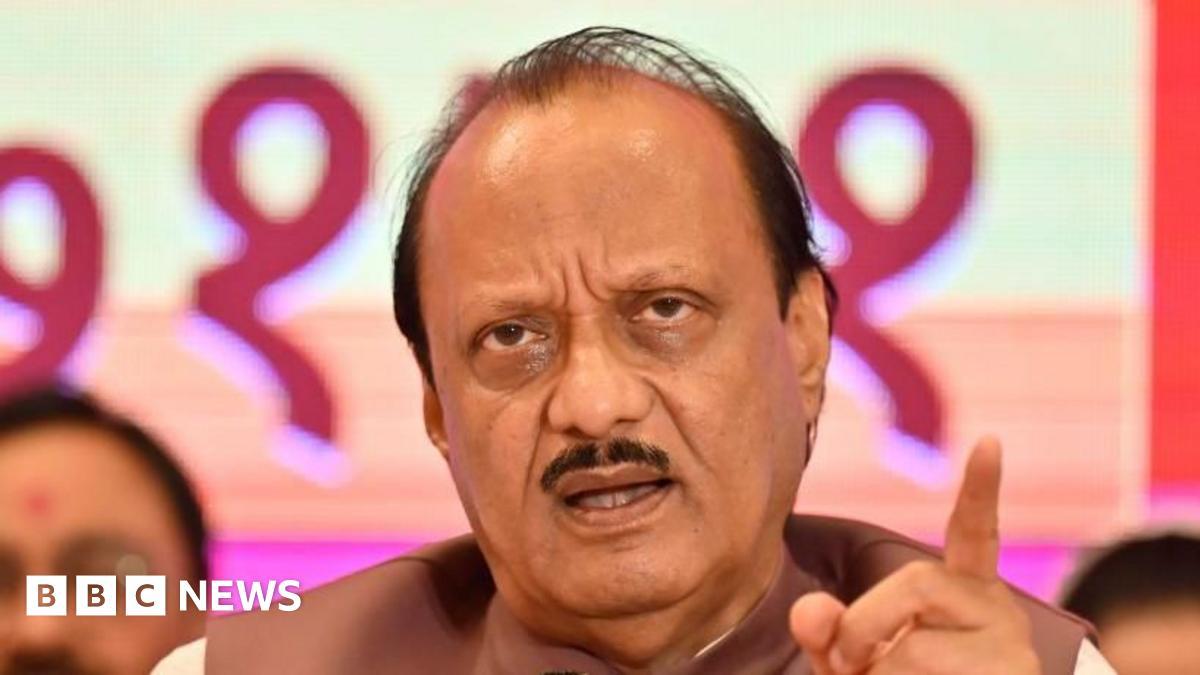
Ajit Pawar, Maharashtra’s deputy chief minister, and four others were killed. The aircraft was a chartered Bombardier Learjet 45 operated by VSR Ventures (registration VT-SSK).
46 outlets told this the same way.
Baramati Learjet crash
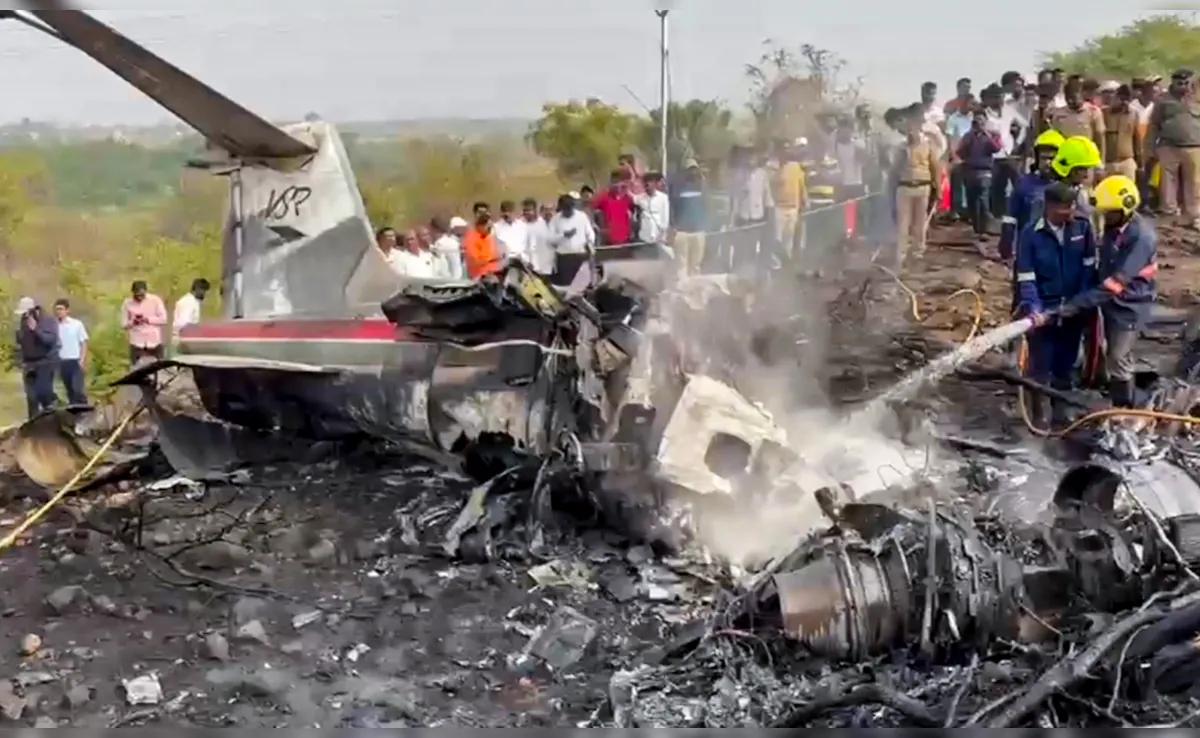
A chartered Bombardier Learjet 45 operated by VSR Ventures crashed while attempting to land at Baramati airport in Maharashtra on the morning of Jan. 28, 2026, killing all five people on board, including Deputy Chief Minister Ajit Pawar.
“A private Learjet 45 en route from Mumbai to Baramati crashed and burst into flames in an open field near the Baramati runway on Wednesday, Jan. 28, 2026, killing all five people on board, including Maharashtra Deputy Chief Minister Ajit Pawar.”
Multiple outlets report the jet caught fire and exploded on impact, with eyewitnesses and television footage showing wreckage and a fierce blaze.

India’s Directorate General of Civil Aviation (DGCA) and the Aircraft Accident Investigation Bureau have opened probes into the accident.
The victims are consistently reported as Pawar, two crew members, and two of his staff or security detail, though some outlets list the staff by name.
Learjet crash timeline
Accounts converge that the Learjet missed an initial approach and attempted a second landing. Reports differ on whether it struck the runway threshold or crashed short, and on the exact timing and which runway was used. Several sources give a narrow late-morning window for the incident.
Flight tracking and eyewitness timelines place the flight leaving Mumbai around 08:10 IST, going off radar about 08:45, and the crash occurring roughly 08:40–08:50 as the crew tried a second approach to Runway 11. Some outlets say the crew first attempted Runway 29 before switching. Air traffic control and eyewitness reports describe a go-around, a clearance to land, then flames near the threshold seconds later.

Baramati incident investigation
Investigations are under way, but the cause remains unconfirmed. Regulatory and investigative bodies — the DGCA and the Aircraft Accident Investigation Bureau (AAIB) — have been dispatched.
“Baramati is an uncontrolled airfield where instructors and pilots from local flying schools coordinate traffic information, and that informal operational setup influenced how the final approach played out.”
Several outlets cite poor visibility as a possible factor, while others highlight operational context such as Baramati’s uncontrolled, table-top airfield environment and prior incidents involving the same aircraft type or operator. Authorities and experts will examine weather, approach procedures, runway environment, and aircraft maintenance records.
Mourning and investigation calls
The crash triggered formal condolences and state-level mourning, with political leaders across parties expressing shock. Maharashtra declared three days of mourning, flags were lowered and public events were cancelled; Pawar's mortal remains were taken to Baramati for public viewing, and his last rites were planned with full state honours with national leaders expected to attend. Opposition figures and regional leaders called for thorough, and in some cases independent or court-monitored, inquiries into the circumstances of the crash.
Coverage of Pawar and crew
Reports also memorialized Pawar's long political career and provided human details about the co-occupants. Coverage outlines Pawar's rise from cooperative institutions to state leadership, his split in the NCP and his role as deputy chief minister.
“Ajit ‘Dada’ Pawar, 64, died when the charter plane he was on crash‑landed at the runway threshold of Baramati airport on Wednesday.”
Several outlets highlighted the pilots and staff killed, including co-pilot Shambhavi, who was reported as young and highly trained, and published personal tributes from political figures and family. Some sources disagreed on Pawar's exact age in early reports, a small factual discrepancy amid wider agreement on the event itself.