Ukraine War26 March, 20261 min read
Chelyabinsk Court Bans Mr Nobody Against Putin And Orders Removal From Three Platforms
This article is an automated aggregation of coverage from news outlets. Our editorials offer in-depth analysis curated by the NewsCord team.
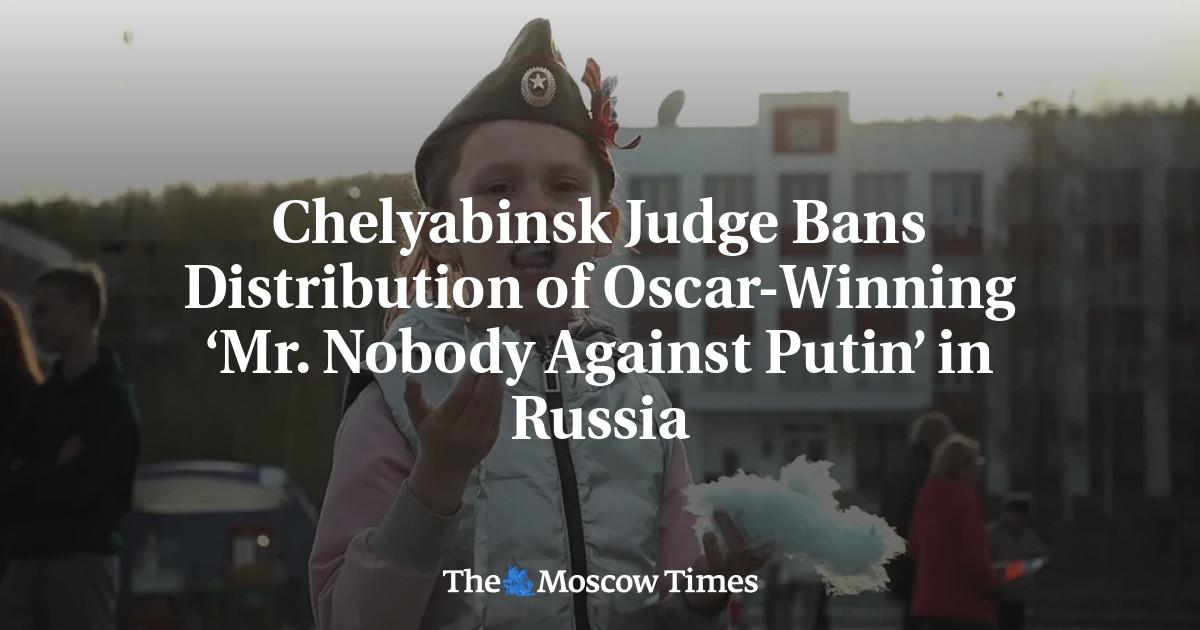
A Chelyabinsk court banned the documentary from three streaming platforms for propagating extremism. Russia labeled Pavel Talankin, the film’s central teacher, a foreign agent.
Ban and foreign-agent label
A Chelyabinsk court banned distribution of the Oscar-winning Mr Nobody Against Putin within Russia and ordered it removed from three streaming platforms. The ruling coincided with the justice ministry placing Pavel Talankin on Russia’s foreign agents list. Together, these moves represent a two-pronged crackdown: suppressing a high-profile critique of war propaganda and constraining the individuals who produced and appear in the film.
“A Russian court banned the Oscar-winning documentary Mr Nobody Against Putin from three streaming platforms on the grounds that it 'propagates extremism and terrorism'.”
Platform scope and rationale
The ban targets three online platforms, with reporting naming VKontakte and Yandex among those affected. The Chelyabinsk court ordered removal of the film from the platforms, citing negative portrayals of Russia and alleged promotion of extremism and terrorism. The move follows a pattern of state-led restrictions on coverage of the Ukraine war and dissenting art in Russia.
Indoctrination in schools
The documentary chronicles how patriotic education was expanded in Russian schools after the 2022 invasion, including lectures justifying the war and veteran visits.
“The ramping up of war propaganda in a Russian school following Russia's full-scale invasion of Ukraine unfolded in 2022.”
It shows classrooms where children are exposed to pro-war messaging, and reveals Talankin’s hidden footage capturing these scenes.
Implications for dissent
Kremlin-aligned bodies and state media frame the war as a national project, and rights groups say the removal signals a chilling effect on critical works.
The Kremlin’s presidential human rights council complained about the film and said it would appeal to international bodies to investigate.
