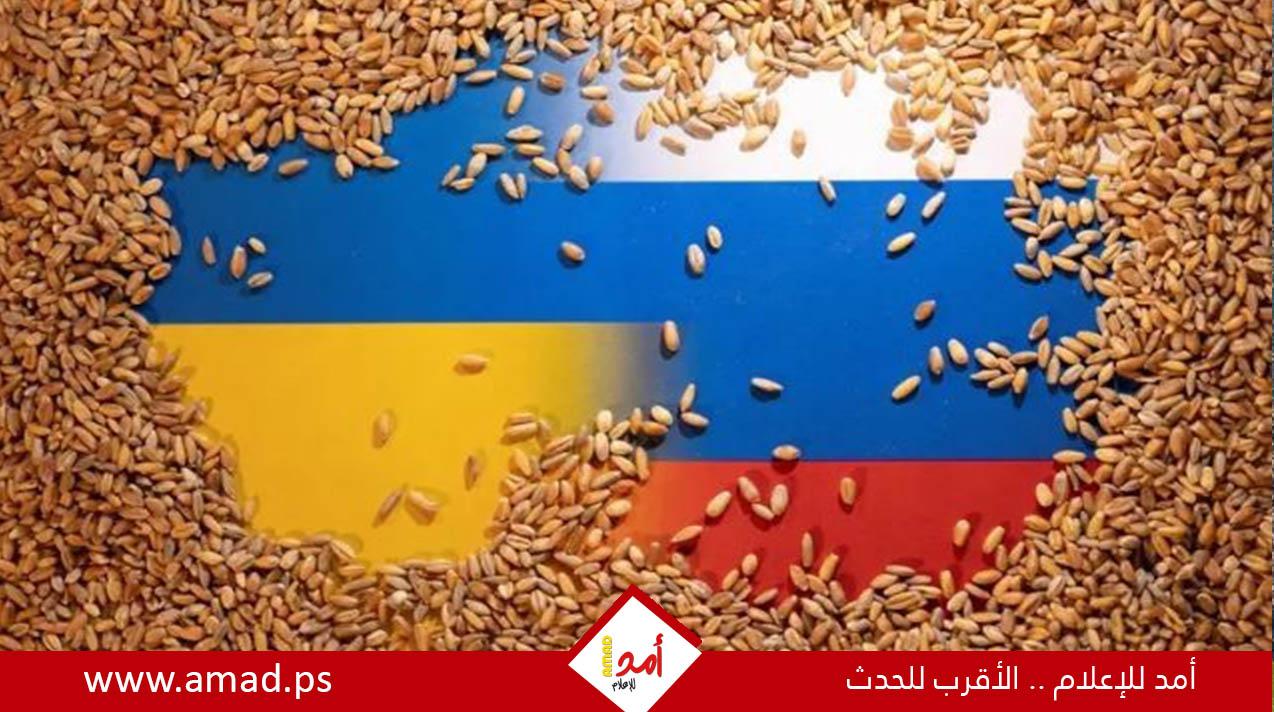
Zelensky Warns Israel Over Grain Shipments Ukraine Says Russia Stole
Key Takeaways
- Zelensky says grain shipment from Russian-occupied Ukraine arrived at an Israeli port.
- Kyiv warns sanctions against those involved in shipments.
- EU ready to sanction those aiding Ukrainian grain shipments stolen by Russia.
Accusations Over Haifa Grain
Ukraine and Israel have entered a diplomatic clash over allegations that Israel is receiving grain shipments that Ukraine says were “stolen” by Russia from Russian-occupied Ukrainian territory.
“Ukraine is preparing a sanctions package against those accused of transporting grain out of Russian-occupied Ukrainian territories, shortly after Ukraine summoned the Israeli ambassador for allegedly accepting such shipments”
Ukrainian President Volodymyr Zelensky said that “another vessel” carrying grain “stolen by Russia” had arrived at a port in Israel and was preparing to unload, and he argued Israeli authorities “cannot be unaware” of the cargo arriving at their ports.

Zelensky warned that Israel’s failure to prevent the grain shipments was “undermining bilateral relations,” and he added that Ukraine was preparing a “relevant sanctions package” with European countries to cover those transporting the grain and profiting from its sale.
Ukraine’s foreign ministry said a Russian-flagged bulk carrier, Abinsk, was unloaded at an Israeli port in mid-April and allowed to leave despite official requests to detain the vessel and its cargo.
The ministry also said Israeli authorities ignored a request to take action over another vessel, Panormitis, which was approaching Haifa port.
Israel’s Foreign Minister Gideon Saar rejected the accusations, telling the BBC that the Ukrainian government had not provided evidence and that it was “Twitter diplomacy,” while Kremlin spokesman Dmitry Peskov said he “would rather not comment on this in any way or get involved in this matter”.
The dispute was triggered after the Israeli newspaper Haaretz reported that four vessels loaded with grain from occupied Ukraine had been unloaded in Israel so far this year, and that another vessel with suspected cargo reached Haifa Bay on Sunday morning and was waiting its turn to enter the port.
Timeline and Escalation
The row escalated through a sequence of public statements and diplomatic steps centered on Haifa and the vessels Ukraine named.
The BBC reported that the row erupted after Haaretz said four vessels loaded with grain from occupied Ukraine had been unloaded in Israel so far this year, and that another vessel with suspected cargo reached Haifa Bay on Sunday morning and was waiting its turn to enter the port.
On Monday night, Ukrainian Foreign Minister Andrii Sybiha wrote on X that his office had summoned the Israeli ambassador in Kyiv to protest what he described as “Israel's lack of appropriate response to Ukraine's legitimate request regarding the previous vessel that delivered stolen goods to Haifa”.
Sybiha then warned again after “another such vessel has arrived in Haifa,” and he urged Israel to refrain from accepting stolen grain and harming relations.
Zelensky weighed into the dispute on Tuesday morning, declaring in a statement that “this is not - and cannot be - legitimate business,” and he said Ukraine had taken “all necessary steps through diplomatic channels to prevent such incidents.”
Israel’s response emphasized procedural and evidentiary disputes: Saar told reporters that the vessel in question had not yet entered Haifa port and had yet to submit its documents, which meant it was not possible to verify Ukrainian claims that the document detailing the cargo had been forged.
The AP similarly described the exchange as beginning after Ukraine accused Israel of allowing import of grain it says Russia stole from occupied areas, and it noted that Israel claimed the vessel had not entered the port and had not yet submitted its documents.
Voices From Kyiv and Jerusalem
Multiple officials and institutions traded accusations while also laying out their own conditions for action.
“- Published A diplomatic row has broken out over allegations that Israel is receiving shipments of grain from Russian-occupied Ukraine”
Zelensky said, “In any normal country, purchasing stolen goods is an act that entails legal liability,” and he added that “This applies, in particular, to grain stolen by Russia,” while also writing that “The Israeli authorities cannot be unaware of which ships are arriving at the country’s ports and what cargo they are carrying.”
Israel’s Foreign Minister Gideon Saar pushed back by accusing Ukraine of “Twitter diplomacy” and by saying “Evidence substantiating the allegations have yet to be provided,” while he also argued that Ukraine “did not even submit a request for legal assistance before turning to the media and social networks.”
Ukraine’s Foreign Ministry spokesman Heorhii Tykhyi rejected Israel’s framing and told reporters that Kyiv had “provided to the Israeli side extensive information and proof and all the data that is necessary to understand that this cargo is illegal,” and he also said “we are not talking about two ships, two vessels. There were more than that.”
In parallel, the European Union weighed in through its foreign affairs spokesman Anouar El Anouni, who told the BBC that the bloc had “taken note of the reports” and that it “condemn[s] all actions that help fund Russia's illegal war effort and circumvent EU sanctions.”
Euronews also quoted an EU Commission spokesperson saying “We condemn all actions that help fund Russia's illegal war effort and circumvent EU sanctions, and remain ready to target such actions by listing individuals and entities in third countries if necessary,” and it said the EU had “approached the Israeli Ministry of Foreign Affairs on the issue.”
Kremlin spokesman Dmitry Peskov declined to comment, saying “Let the Kyiv regime deal with Israel on its own, and Israel with the Kyiv regime,” and he added “We would prefer not to comment on this or get involved.”
EU and Sanctions Threats
The dispute is tied directly to sanctions threats and to the EU’s stated readiness to target those it believes facilitate Russia’s war effort through grain trade.
Zelensky said Ukraine was preparing a “relevant sanctions package” with European countries to cover those transporting the grain and profiting from its sale, and he warned that “Such schemes violate the laws of the State of Israel itself.”

The AP reported that Zelensky warned of sanctions against those involved and that he said Ukraine’s intelligence services were preparing sanctions targeting companies and individuals profiting from the shipments.
The EU’s position, as quoted by the BBC and Euronews, emphasized condemnation and the possibility of listing individuals and entities in third countries, with Anouar El Anouni telling the BBC that the bloc “condemn[s] all actions that help fund Russia's illegal war effort and circumvent EU sanctions.”
Euronews added that the EU Commission spokesperson said the EU was “ready to impose sanctions on those aiding and abetting the trade of Ukrainian grain stolen by Russia in the occupied territories,” and it quoted the spokesperson saying “We have approached the Israeli Ministry of Foreign Affairs on the issue.”
Euronews also reported that EU-level sanctions require unanimity among the 27 member states, and it said “Unanimity, however, has been hard to secure in cases involving Israel.”
In parallel, Al Jazeera reported that Ukraine was preparing a sanctions package against those accused of transporting grain out of Russian-occupied Ukrainian territories, and it quoted Zelensky saying “Such transactions violate the legislation of the State of Israel itself.”
Divergent Framing and Evidence Disputes
While the core facts—Haifa-linked vessels, Ukrainian claims of stolen grain, and Israel’s insistence on evidence—overlap across outlets, the emphasis and framing differ.
“A diplomatic crisis has erupted between Ukraine and Israel following the arrival in Haifa of a Russian vessel reportedly carrying stolen Ukrainian grain”
CNN described Zelensky’s warning as reflecting a “deepening rift” and said the Panormitis vessel entered Haifa Bay last week and was “currently anchored offshore, apparently awaiting a berth,” while it also stated Ukraine said Panormitis would be “the second such shipment to dock and unload in Haifa this month.”
CNN also reported that an Israeli official told it on condition of anonymity that Israel cannot seize shipments without due process and that there is an “established mutual legal assistance protocol,” while a Ukrainian Foreign Ministry spokesman rejected that assertion and said Ukraine had “exhausted all closed channels and official diplomatic requests.”
The Times of Israel framed the incident as Israel saying it had “yet to receive evidence” and it quoted Saar saying the vessel “has not entered the port and has yet to submit its documents,” while it also described Kyiv’s position that all grain from regions Russia claims as its own is stolen.
NBC News focused on the procedural dispute and the tracking details, saying MarineTraffic data showed the Russian-flagged Abinsk from Kerch on March 17 to Haifa on April 12, leaving April 15 and arriving in Russia on April 22, and it said the Panama-flagged Panormitis left Kavkaz April 11 and arrived at Haifa April 25.
Euronews, by contrast, foregrounded the EU’s readiness to sanction and included a specific quantitative detail that the Panormitis vessel was “allegedly carrying over 6,200 tonnes of wheat and 19,000 tonnes of barley,” even as it noted the ship had “yet to unload.”
Al Jazeera emphasized Ukraine’s diplomatic protest process, saying the Israeli ambassador was asked to appear at the Ministry of Foreign Affairs so Kyiv could “present our protest note and request appropriate action,” and it quoted Saar chiding Sybiha for “turning to the media and social networks.”
More on Ukraine War

Kremlin Holds May 9 Red Square Victory Day Parade Without Military Equipment, Citing Ukrainian Terrorist Activity
11 sources compared
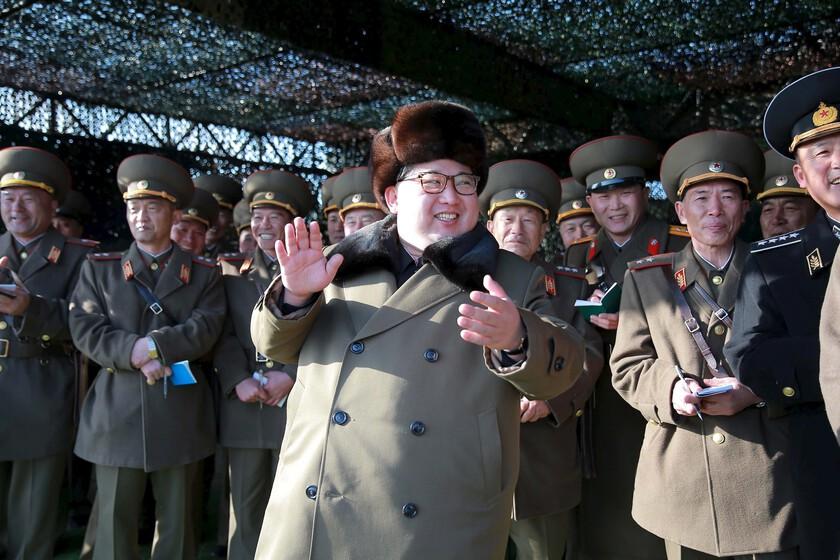
Kim Jong Un Praises North Korean Soldiers Who Detonated Grenades To Avoid Ukraine Capture
17 sources compared

Ukrainian Drones Strike Rosneft Tuapse Oil Refinery, Triggering Massive Fire And Evacuations
12 sources compared

King Charles Urges NATO Unity and Ukraine Support in US Congress Speech
78 sources compared