
King Charles Urges NATO Unity and Ukraine Support in US Congress Speech
Key Takeaways
- King Charles urged NATO unity and Ukraine support in Congress.
- Visit included meeting with Trump and a joint Congress address.
- Stressed the indispensable UK-US partnership and called for renewed cooperation.
Congress Speech and Ukraine
King Charles III used a speech in front of the United States Congress to pledge NATO unity and call for support for Ukraine amid Russia’s ongoing invasion, delivering the message during a royal visit to the US that Al Jazeera said came as the US-Israel war with Iran, Donald Trump’s criticism of NATO, and trade tensions between the longtime allies loomed large.
In the address, Charles told lawmakers, “Today, Mr Speaker, that same unyielding resolve is needed for the defence of Ukraine and her most courageous people,” referring to House Speaker Mike Johnson, and the BBC said the King warned the two nations had to stand together in a “more volatile, more dangerous” era.

The BBC also reported that Charles stressed the value of the “indispensable” UK and US partnership and said there needed to be backing for the “defence of Ukraine and her most courageous people.”
Politico later quoted Charles hailing “freedom is under attack” because of the Russia invasion into Ukraine, while CBC described the speech as “replete with calls for better relations between Britain and the States” alongside “some subtle jabs” at President Donald Trump.
In the same Congress address, Charles praised NATO’s invocation of its Article 5 collective defence treaty after the September 11, 2001 attacks, saying, “We answered the call together, as our people have done so for more than a century, shoulder to shoulder, through two world wars, the Cold War, Afghanistan and moments that have defined our shared security,” a line echoed in The National’s account of the speech.
The Hill’s takeaways similarly tied the Ukraine line to a broader narrative of transatlantic unity, quoting Charles: “Today, Mr. Speaker, that same unyielding resolve is needed for the defense of Ukraine and her most courageous people.”
Why Ukraine Became Central
The Ukraine message landed in a speech that multiple outlets framed as occurring during a period of strain between the US and UK, with the BBC describing “deepening political tensions between the US and the UK” and Al Jazeera saying the address came as Trump’s criticism of NATO and trade tensions between the longtime allies loomed large.
The Hill connected the moment to “sky-high tension between the traditionally close allies,” saying Trump had “repeatedly disparagedBritish Prime Minister Keir Starmer” over what Trump saw as insufficient support for the U.S.-Israeli war on Iran, while Starmer said Britain had “no interest in joining the war or in trying to enact “regime change from the skies.””

In that context, CBC reported that Charles’s remarks were “replete with calls for better relations” but also included “some subtle jabs,” including a “coded reference” to the “special relationship” and the UK’s refusal to join the Iran war, while CNN described the speech as defending “pillars of Western democracy: domestic checks and balances, alliances and interfaith tolerance” and calling for “the strong defense of Ukraine.”
Al Jazeera said Charles did not directly address the US-Israel war with Iran or Trump’s criticism of NATO allies who have rejected joining Washington’s war efforts, but it emphasized that Charles praised NATO support and then “turned to funding for Ukraine,” calling it “an increasingly pointed issue in the Republican-controlled US Congress.”
The National similarly tied the Ukraine call to NATO’s Article 5 invocation after September 11, 2001, and then urged “unyielding resolve” for “the continuing defence of Ukraine,” while Australian Broadcasting Corporation described the king’s sequence as moving from Article 5 to Ukraine, quoting: “Today, Mr Speaker, that same, unyielding resolve is needed for the defence of Ukraine and her most courageous people in order to secure a truly just and lasting peace.”
Even Politico’s account of the state dinner context placed Ukraine within a broader defense posture, quoting Charles saying NATO and AUKUS “deepen our technological and military cooperation” to meet “threats to the very international rules.”
Reactions and Interpretations
Reactions to Charles’s Ukraine and NATO messaging were filtered through the political and media lens described by multiple outlets, with the BBC emphasizing the scale of applause and the “hard truths” about backing NATO and Ukraine.
The BBC said the King warned the two nations had to stand together in a “more volatile, more dangerous” era and reported that he delivered “some hard truths about the need to back Nato,” while also noting that there were “about 12 standing ovations in total” as lawmakers repeatedly interrupted with applause.
CNN described the speech as a reminder of “republican values” and quoted Charles saying, “America’s words carry weight and meaning, as they have since independence,” and “The actions of this great nation matter even more,” framing those lines as a call that included Ukraine.
CBC added a different reaction angle by quoting John Fraser, the founding president of the Institute for the Study of the Crown in Canada, who said Charles’s reference to keeping leaders in check was “definitely a jab” at Trump and that “he did it elegantly.”
The Guardian’s media analysis described how outlets interpreted the speech as “Subtle rebuttals,” quoting New York Times Online’s Michael D Shear and Zolan Kanno-Youngs that the king “gently” pushed back against Donald Trump’s attacks on Britain and Nato and “spoke of the importance of checks and balances.”
The Hill’s takeaways also included a reaction from within the US political debate, describing the warm applause for Charles’s Ukraine line “including, somewhat incongruously, from Vice President Vance,” and noting that “The GOP in general has become far more dubious about maintaining support for Ukraine.”
Coverage Divergence Over Meaning
While the core facts of Charles’s call for Ukraine and NATO unity were consistent across outlets, the coverage diverged in how it interpreted the political intent and the broader context around the Ukraine line.
Al Jazeera described Charles as avoiding direct reference to specific US frictions during his speech at the US Capitol, saying he “did not directly address the US-Israel war with Iran or Trump’s outspoken criticism of NATO allies,” even as it reported that he “turned to funding for Ukraine” in the Republican-controlled US Congress.

The BBC, by contrast, emphasized the speech’s warning tone and the need to back NATO and Ukraine, saying Charles stressed “the value and importance of the ‘indispensable’ UK and US partnership” and warning of a “more volatile, more dangerous” era.
CBC framed the address as “historic” and “replete with calls for better relations,” but it foregrounded “some subtle jabs” at Trump and quoted John Fraser describing the checks-and-balances reference as “definitely a jab” that Charles delivered “elegantly.”
The Guardian’s media roundup then shifted the lens to how newspapers interpreted the speech, describing “Beneath King Charles’s Jokes and Decorum, Some Subtle Rebuttals to Trump” and reporting that the New York Times Online and White House reporter Zolan Kanno-Youngs said the king “gently” pushed back against Donald Trump’s attacks on Britain and Nato.
Meanwhile, Australian Broadcasting Corporation described the speech as “apolitical” in tradition but said within a few sentences Charles mentioned “three of the most hot-button political issues in modern America,” including “Trump’s threats to withdraw from NATO,” “his often-shaky support for Ukraine’s defence,” and “his cuts to climate change programs.”
Stakes and What Comes Next
The stakes of Charles’s Ukraine message were portrayed as tied to NATO unity, US-UK defense cooperation, and the political fight over continued support for Ukraine, with multiple outlets linking the speech to immediate congressional and alliance dynamics.
Al Jazeera said Charles’s address came as “an increasingly pointed issue in the Republican-controlled US Congress” and quoted him calling for “unyielding resolve” for “the defence of Ukraine and her most courageous people,” while The Hill described the GOP’s growing skepticism by saying “The GOP in general has become far more dubious about maintaining support for Ukraine at the same cadence as during the Biden administration.”

Politico added that Charles said “freedom is under attack” because of the Russia invasion into Ukraine and described his emphasis on partnerships in NATO and AUKUS to “ensure that together we can meet the challenges of an increasingly complex and contested world.”
The National’s account framed the stakes in terms of NATO’s Article 5 precedent after September 11, 2001 and included Charles’s prayer that “our alliance will continue to defend our shared values,” while Australian Broadcasting Corporation described how Charles’s speech moved from Article 5 to Ukraine and then to NATO’s climate-linked framing about “the disastrously melting ice caps of the Arctic.”
Beyond Ukraine itself, the outlets described the broader diplomatic schedule and the immediate next steps for the royal visit, with Al Jazeera saying Charles and Queen Camilla were set to visit New York and Virginia and have an official farewell ceremony at the White House on Thursday, and with Politico and The Times describing the state dinner and the East Room setting.
In the immediate aftermath, the Guardian’s media roundup suggested the speech would be read as a signal about checks and balances and alliance commitments, quoting coverage that highlighted “Ukraine and western unity” and “checks on executive power,” even as the underlying political debate over Ukraine aid remained a central point of contention.
More on Ukraine War

Kremlin Holds May 9 Red Square Victory Day Parade Without Military Equipment, Citing Ukrainian Terrorist Activity
11 sources compared
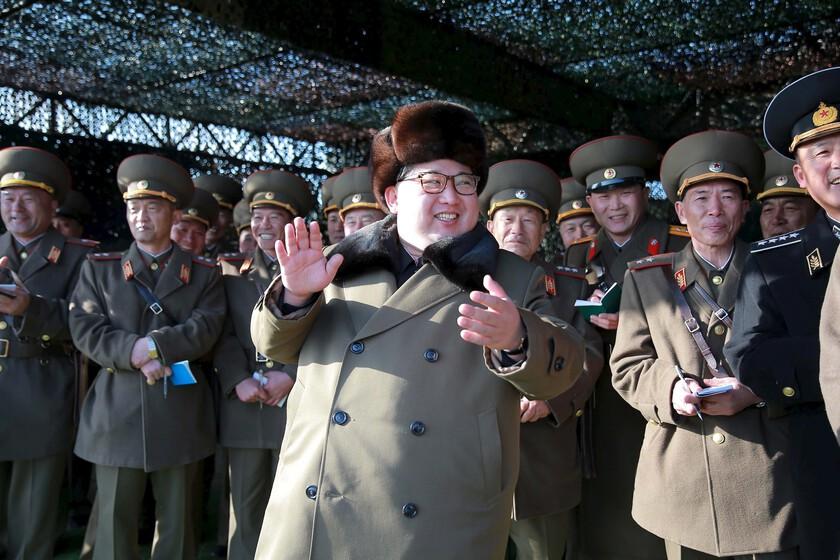
Kim Jong Un Praises North Korean Soldiers Who Detonated Grenades To Avoid Ukraine Capture
17 sources compared

Ukrainian Drones Strike Rosneft Tuapse Oil Refinery, Triggering Massive Fire And Evacuations
12 sources compared
Zelensky Warns Israel Over Grain Shipments Ukraine Says Russia Stole
10 sources compared