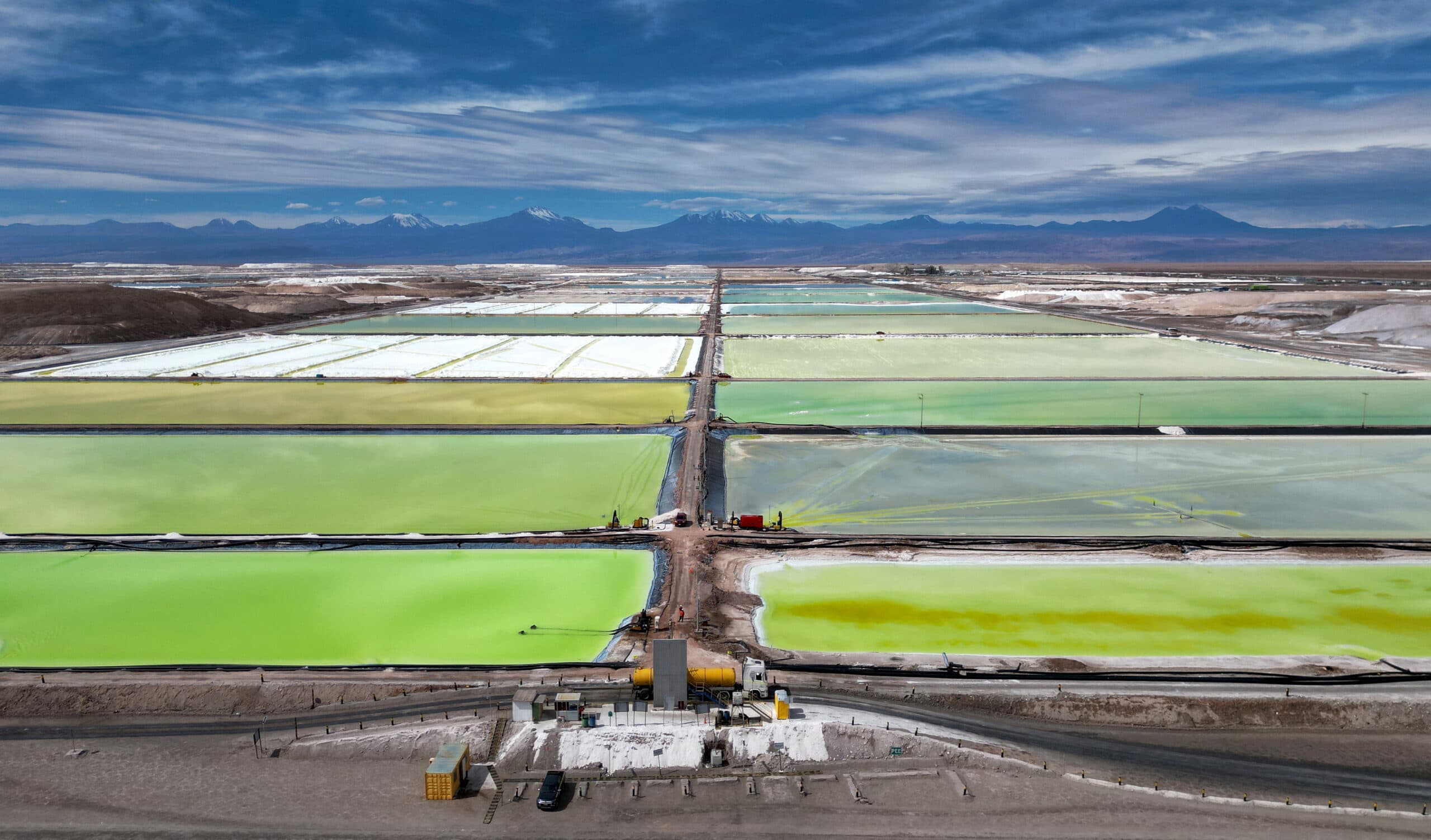
Chile's Lithium Windfall Deal Fractures Indigenous Communities
Key Takeaways
- Lithium windfall-sharing deal fractures Indigenous communities in northern Chile.
- Soncor Valley farmers grow corn and figs amid the Atacama's drought.
- Toconao means 'lost corner' in the Kunza language.
Deal Divides Indigenous Communities
Chile's lithium windfall deal has created significant divisions within Indigenous communities, particularly among the Lickanantay people of the Atacama desert.
“Editing:Chloé Farand and Helen Popper Rudecindo Espíndola’s family has been growing corn, figs and other crops for generations in the Soncor Valley in northern Chile, an oasis of green orchards in one of the driest places on Earth–the Atacama desert”
The agreement, pushed by Chile's former leftist government, establishes a governance framework for mining activities through separate deals with 25 local communities.
This includes specific arrangements for the five villages closest to extraction sites, which has led to deep fractures within the Indigenous population.
Some communities blocked access roads to mining operations in January 2024, arguing that the Council of Atacameño Peoples no longer represented their interests.
The negotiations have exposed fundamental disagreements about how to manage the multimillion-dollar windfall from lithium extraction.
Villages closest to mining sites demanded the largest share of benefits, highlighting the growing tensions.
Implementation Structure
The implementation structure of the lithium deal aims to address past conflicts through formalized participation mechanisms.
An assembly composed of representatives from all 25 signatory communities will oversee the agreement's implementation.
NovaAndino will hold one-on-one meetings with each community to address specific issues like local hiring and Indigenous employee protection.
Espíndola described this as 'participatory justice' and emphasized that it represents 'a very strong empowerment for Indigenous communities'.
He noted that this ensures involvement at every hierarchical level of the process.
However, the deal falls short of granting communities full decision-making power.
Communities will not have veto authority over NovaAndino's decisions or formal shareholder roles in the mining operations.
Community Skepticism
Despite the formal agreement framework, significant skepticism persists among Indigenous community members about the true benefits of increased mining engagement.
“Editing:Chloé Farand and Helen Popper Rudecindo Espíndola’s family has been growing corn, figs and other crops for generations in the Soncor Valley in northern Chile, an oasis of green orchards in one of the driest places on Earth–the Atacama desert”
Critics argue that greater cooperation with mining companies will not prevent irreparable damage to the salt flats on which their traditional way of life depends.
There are also concerns that the promise of financial benefits could further erode the social bonds that have historically held these communities together.
Official transcripts of consultations on lithium contract extensions and benefit sharing reveal these deep divisions.
This suggests that monetary incentives may be exacerbating rather than alleviating underlying tensions.
Cultural Concerns
The social fragmentation caused by the lithium windfall deal has drawn emotional condemnation from respected community leaders.
This comes particularly from those who have witnessed generations of cultural preservation.
Sonia Ramos, an 83-year-old Lickanantay healer and renowned anti-mining activist, has lamented the fracturing of social bonds.
She expressed concern about fragmentation happening over financial considerations and for meeting government objectives.
Her perspective represents a growing concern that economic benefits may come at the cost of cultural integrity.
This tension between economic development and cultural preservation lies at the heart of the ongoing debate about Chile's lithium extraction policies.
More on South America
Colombia’s Petro Accuses Ecuador of Bombing Near Border
11 sources compared

Former Venezuelan President Nicolás Maduro Captured by U.S. in Venezuela Strike
14 sources compared
President Trump Offers Missiles to Latin America to Destroy Cartels
54 sources compared

US Restores Diplomatic Relations With Venezuela Months After Trump-Ordered Raid Captured Maduro
68 sources compared