
China accelerates yuan internationalisation to challenge the dollar
Key Takeaways
- China accelerates efforts to offer credible alternatives to the dollar.
- Global yuan use expands, challenging dollar dominance.
- Analyses frame yuan expansion as reserve-currency competition against the dollar.
Yuan Internationalization Strategy
China is actively pursuing internationalization of its currency as part of a strategic effort to reduce dependence on the US dollar and establish the yuan as a global reserve currency.
“Asialyst is designed by a team comprised entirely of volunteers and, thanks to a network of contributors in Asia or elsewhere, journalists, experts, academics, consultants, or former diplomats”
Beijing has intensified these efforts particularly following the Western sanctions imposed on Russia after its invasion of Ukraine, which highlighted vulnerabilities of relying on dollar-dominated financial systems.
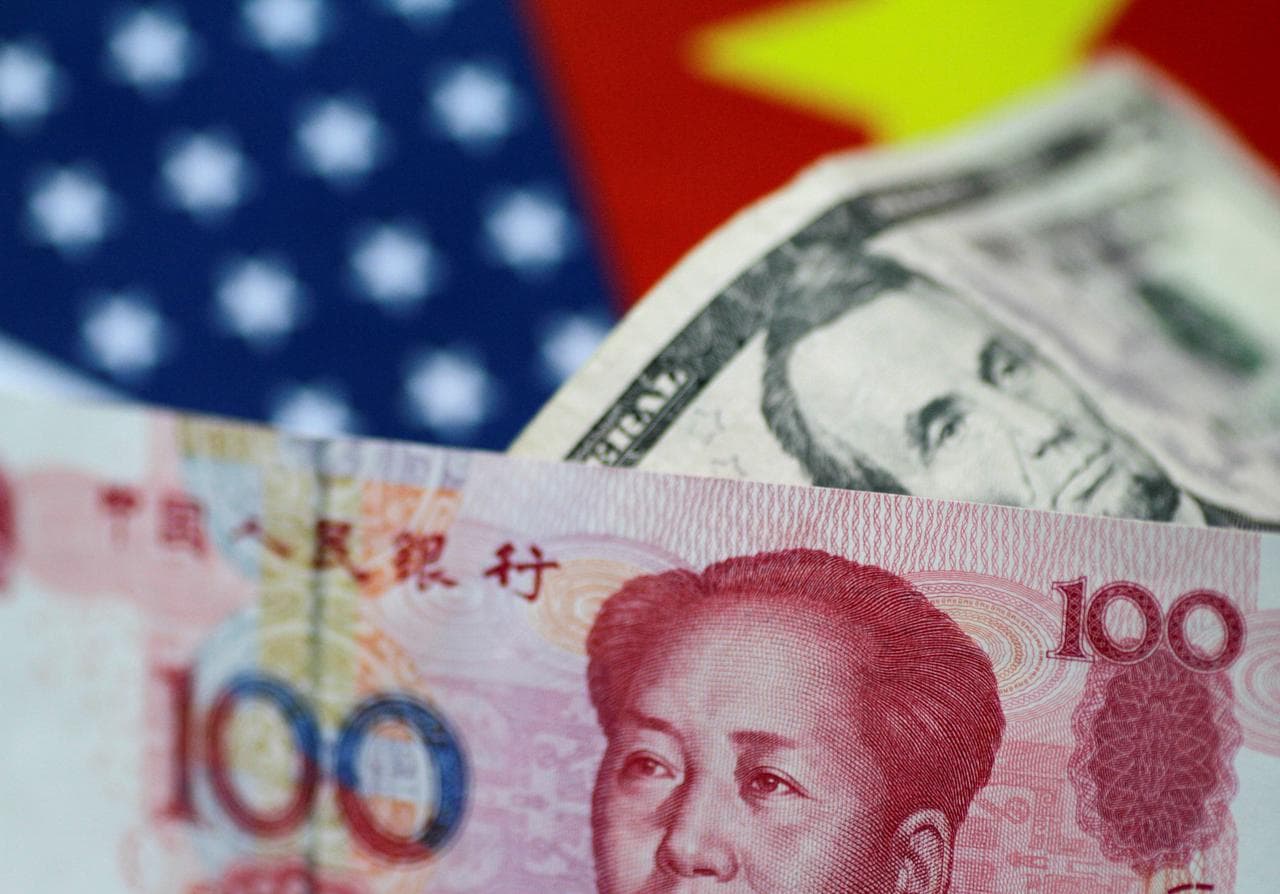
The Chinese government is leveraging both traditional payment systems and digital currency technologies to advance this agenda, with a report from Renmin University suggesting that China should trim its massive foreign exchange reserves to a "moderately ample" level to better support yuan internationalization.
This approach reflects China's long-term strategy to enhance its global financial influence and create alternatives to the current US-dominated international monetary system.
Current Challenges
Despite China's concerted efforts, the yuan's internationalization faces significant challenges and has not yet achieved broad global adoption.
IMF data indicates that while the yuan's share of global foreign exchange reserves has risen since 2016, this growth has recently stagnated, suggesting limited momentum in establishing the currency as a major reserve alternative.

SWIFT statistics reveal that the yuan currently accounts for only 2.2 percent of global cross-border payments, indicating that international businesses and financial institutions remain hesitant to shift away from established currencies.
These figures cast doubt on whether China can rapidly achieve its goal of creating a viable alternative to the dollar-dominated financial system, particularly as the geopolitical environment remains complex and many countries maintain strong ties to Western financial institutions.
Infrastructure Development
China has developed sophisticated infrastructure to support yuan internationalization, including the Cross-Border Interbank Payment System (CIPS) launched in 2015 to handle yuan-denominated transactions and the digital yuan (e-CNY) platform.
“This article is part of a two-part analysis of Chinese digital currency”
The CIPS system, often described as China's equivalent to the American CHIPS network, is now used by 1,300 banks across 110 countries and processes daily transactions exceeding $60 billion, with significant acceleration following the 2022 sanctions against Russia.
The digital yuan initiative, particularly through the mBridge platform developed with partners including Hong Kong, the United Arab Emirates, and Thailand, represents China's cutting-edge approach to creating alternative financial infrastructure.
These systems complement each other, providing both traditional and digital pathways for international transactions that bypass traditional dollar-dominated channels.
Recent Progress
China's yuan internationalization efforts have gained significant momentum in recent years, with substantial progress in cross-border payment flows.
By April 2025, 55 percent of China's cross-border payments were conducted in yuan, representing a dramatic increase from just 30 percent one year earlier and marking the first time the Chinese currency has surpassed the dollar in the financial flows of the world's second-largest economy.
This shift has been driven by Chinese government incentives including tariff discounts and exchange risk coverage provided by Chinese banks, which encourage trading partners to settle import transactions in yuan.
The Bank of Korea reports that yuan payments to Chinese exporters have doubled within a single year, indicating growing acceptance of the currency in international trade.
These statistics demonstrate that while challenges remain, China's strategic approach is producing tangible results in establishing the yuan as a viable alternative to the dollar in key trade relationships.
Future Prospects
Looking ahead, experts suggest that China's yuan internationalization strategy may find new momentum through the development of central bank digital currencies (CBDCs), which could provide innovative pathways for currency adoption beyond traditional financial systems.
“Asialyst is designed by a team comprised entirely of volunteers and, thanks to a network of contributors in Asia or elsewhere, journalists, experts, academics, consultants, or former diplomats”
The Renmin University report emphasizes that maintaining "moderately ample" foreign exchange reserves is crucial for supporting yuan internationalization, suggesting that Beijing may need to rebalance its massive $3 trillion-plus reserve holdings to better serve this strategic objective.
While some analysts remain skeptical about the yuan's ability to challenge the dollar's dominance in the near term, others point to the growing network effect of China's trade relationships and the increasing willingness of emerging economies to explore alternatives to Western financial systems.
The future trajectory will likely depend on China's ability to maintain economic stability, continue financial market reforms, and provide sufficient liquidity and confidence in the yuan as a store of value for international investors.
More on Finance

President Donald Trump Threatens to Obliterate Iran's Power Plants as Oil Prices Rise
12 sources compared

Jury Rules Elon Musk Misled Twitter Investors in $44B Acquisition Case
20 sources compared

Judge Jason Woodbury Blocks Kalshi From Operating in Nevada
24 sources compared

Coinbase Launches Stock Perpetual Futures for Non-U.S. Users
12 sources compared