China13 April, 20261 min read
China Bans Sulphuric Acid Exports, Deepening Global Metals And Fertilizer Crisis
This article is an automated aggregation of coverage from news outlets. Our editorials offer in-depth analysis curated by the NewsCord team.
Sulfuric acid exports from China are planned to be banned starting May 2026. Ban targets sulfuric acid produced as a by-product of copper and zinc smelting.
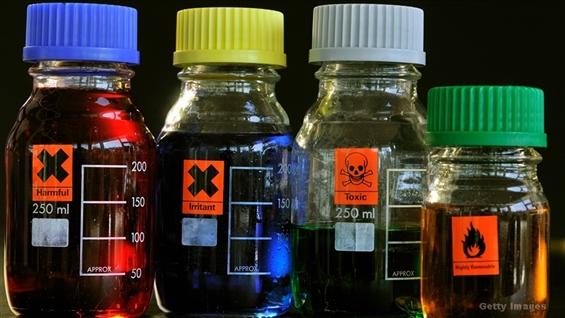
China's Sulphuric Acid Export Ban
China announced a ban on sulphuric acid exports starting in May 2026. The ban covers sulphuric acid produced as a by-product of copper and zinc smelting. ING's chief economist Lynn Song said administrative controls are expected to amount to a de facto suspension of exports.
The ban comes as the Strait of Hormuz blockage has already disrupted about a third of seaborne fertilizer trade and global sulphur exports. Sulphuric acid is essential for phosphate fertilizer production and metal extraction processes.
Global Supply Chain Impact
Chile imports over 1 million tonnes of Chinese sulphuric acid annually. Roughly 20% of Chile's copper output is reliant on acid-dependent processing. The Democratic Republic of Congo and Zambia will also feel the squeeze.
Roughly two thirds of sulphuric acid production feeds fertilizer output. India imported around $118 million worth of sulphuric acid in 2024.

Industry and Market Reactions
Industry voices warned of cascading effects. Procurement teams are looking at building buffer stocks. The market is left to contend with a supply gap that shows no immediate signs of closing.