
China Deploys Robotaxi Fleets Across Wuhan, Beijing, Shanghai, Guangzhou, and Shenzhen
Key Takeaways
- Robotaxi fleets expand rapidly in Wuhan, Beijing, Shanghai, Guangzhou, Shenzhen; TechCrunch Mobility notes China’s dominance.
- China leads robotaxi development, with rapid deployment; Caradisiac and TechCrunch Mobility report it.
- TechCrunch Mobility and Caradisiac frame China as leader in robotaxi development.
China’s Robotaxi Push
China is rapidly developing robotaxi fleets across cities including Wuhan, Beijing, Shanghai, Guangzhou, and Shenzhen, with 500,000 units expected to be in service by 2030.
“While Europe still hesitates over the regulatory framework for autonomous vehicles and the United States faces a few technological setbacks, China is rapidly developing its fleets of robotaxis at breakneck speed”
Caradisiac says China’s approach relies not only on car intelligence but on road intelligence through V2X (Vehicle-to-Everything) and 5G-Advanced, where traffic lights, intersections, and even street furniture speak to vehicles.
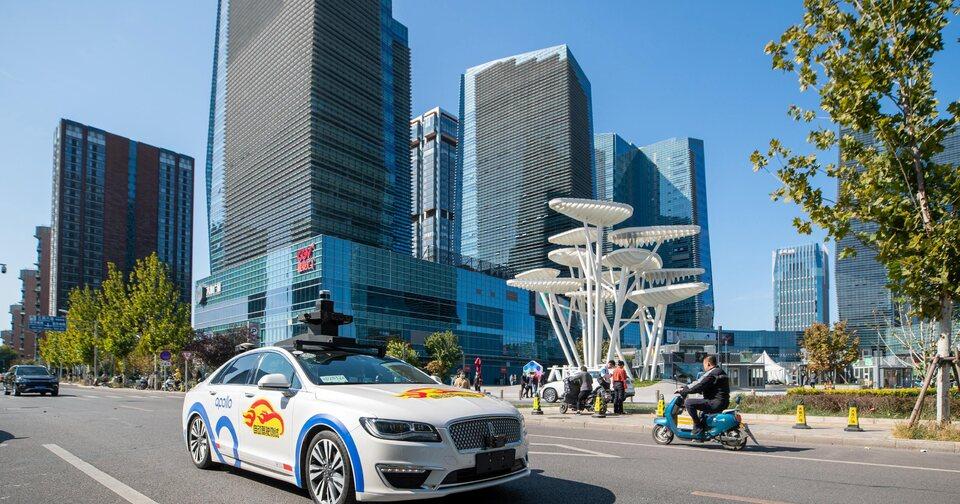
The same report describes a system that warns vehicles about cyclists in blind spots 200 meters before an intersection and that can detect a pedestrian behind a bus before its own LiDAR sees them.
Caradisiac also links the rollout to pricing and infrastructure, noting Baidu’s Apollo RT6 model for around $35,000 and describing government efforts that turn entire districts into open-air laboratories for driverless safety tests as early as 2024.
In the United States, Caradisiac contrasts China’s emphasis on connected infrastructure with an official investigation by the U.S. National Highway Traffic Safety Administration opened after 22 reports of unexpected behavior or collisions involving Waymo robotaxis.
Safety, Regulation, and Indexing
Caradisiac reports that Shenzhen’s transportation authorities say the rate of serious accidents per kilometer traveled is seven times lower than that of human drivers, while also noting that incidents have occurred in China.
It adds that on December 6 last year, a driverless robotaxi operated in China by Hello (an Alibaba affiliate), using Baidu Apollo Go technology, struck two pedestrians in Zhuzhou (Hunan province).
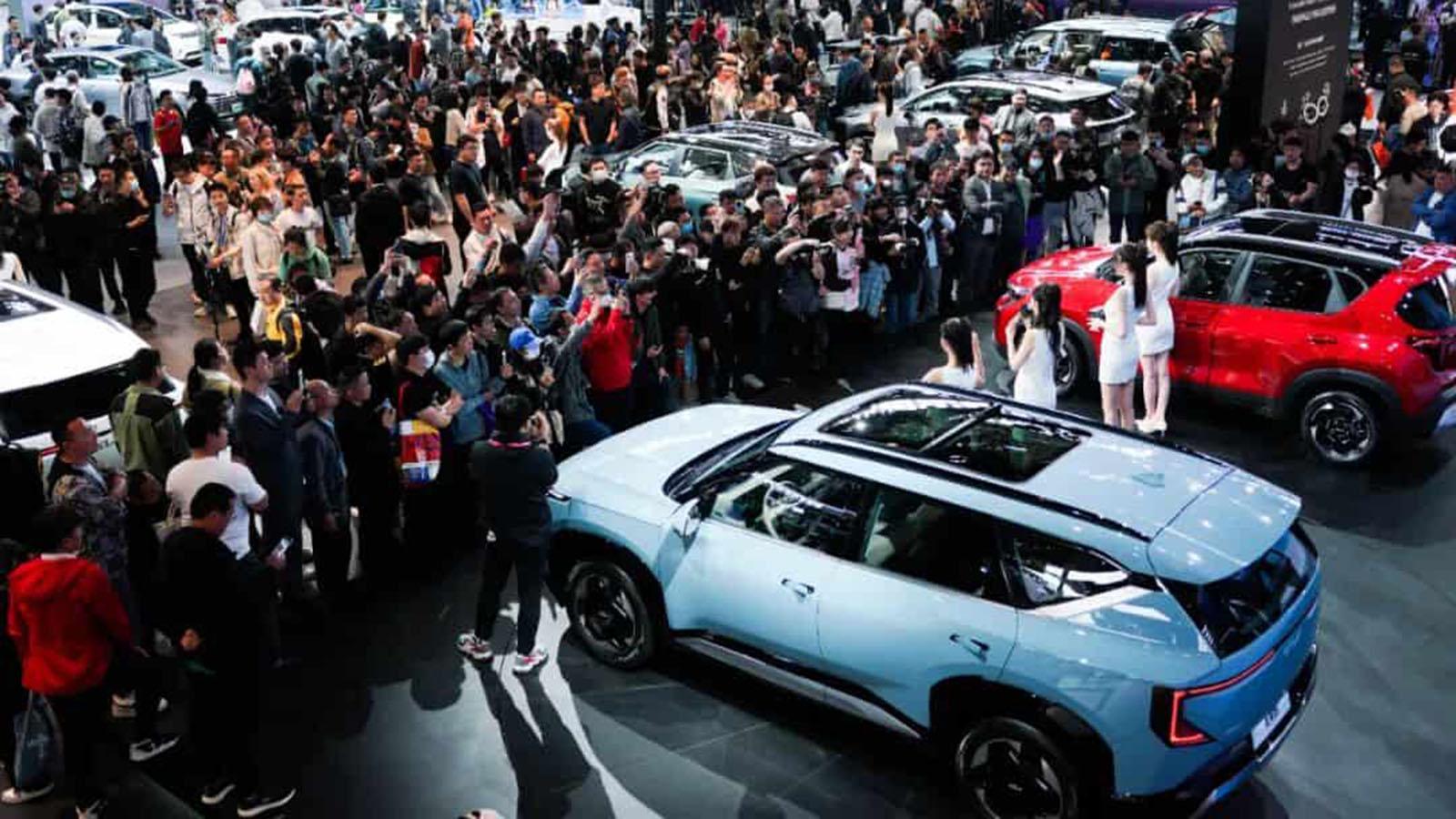
TechCrunch Mobility, meanwhile, describes a new Road to Autonomy Index released by Autnmy AI that updates every 12 hours and ranks robotaxis using data from public databases including federal and state reports and SEC documents.
TechCrunch says that as of Friday, the robotaxi leader was not Waymo, but China’s Baidu Apollo Go program, with Waymo in the secondary position followed by Pony.ai and WeRide.
The TechCrunch piece also notes that Zoox cannot operate commercially until it receives an exemption from the federal government, even though it can give rides in its custom-built robotaxi but cannot charge customers.
Fleets, Fares, and Market Stakes
Caradisiac says robotaxi operators in China slash ride prices to capture market share, with fares in Wuhan falling so low they compete with metro tickets and with Wuhan authorities introducing a dynamic minimum price that cannot fall below 1.5 yuan per kilometer.
“Welcome back to TechCrunch Mobility — your central hub for news and insights on the future of transportation”
To manage growth, Caradisiac reports that Wuhan froze new robotaxi registrations for the first half of 2026 and integrated centralized management requiring robots to park in dedicated hubs rather than roaming the streets.
The same report says Beijing’s Yizhuang Zone set a quota of 1,500 driverless vehicles for 2026 and that fleet growth is subject to quarterly safety and traffic impact assessments.
TechCrunch Mobility adds a U.S. snapshot from the Texas automated vehicle tracker tool, stating that as of May 28, Waymo had 577 autonomous vehicles registered in the state and that it now has 620, about a 7.5% increase in less than a month.
TechCrunch also reports that Tesla now has 69 registered autonomous vehicles in Texas, a 64% increase from the 42 it had on May 28, while Zoox is listed at 43 registered autonomous vehicles after having 35 last month.
More on Technology and Science

France Restricts Public Drinking And Outdoor Sports As Heat Wave Triggers Red Alerts
24 sources compared

Met Office Issues Amber Extreme Heat Warning for England and Wales, Temperatures Could Reach 38C
10 sources compared

Mukesh Ambani Announces Reliance $110 Billion AI Investment in New Delhi and Jamnagar
15 sources compared

US Commerce Secretary Howard Lutnick Pressures ASML Over Possible EUV Machine in China
16 sources compared