China29 January, 20262 min read
China Grants 30-Day Visa-Free Entry to British Citizens After Starmer Visit
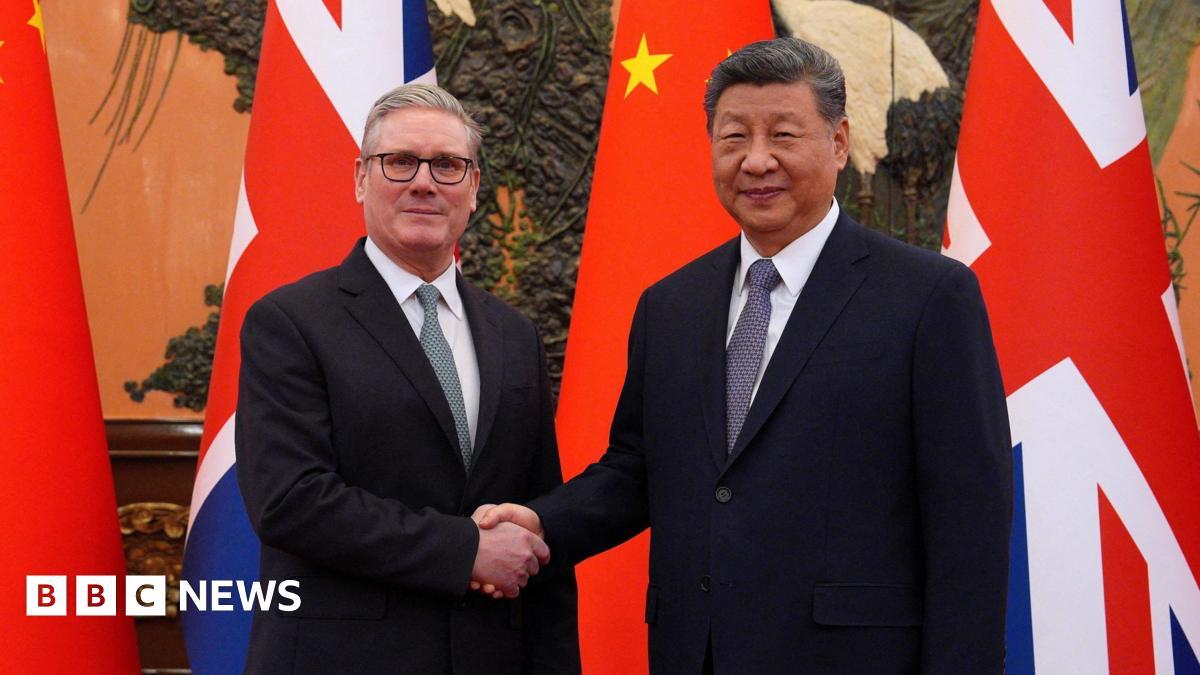
China will allow British citizens visa-free entry for up to 30 days China announced the measure after Prime Minister Keir Starmer met President Xi in Beijing

13 outlets told this the same way.
UK-China visa waiver
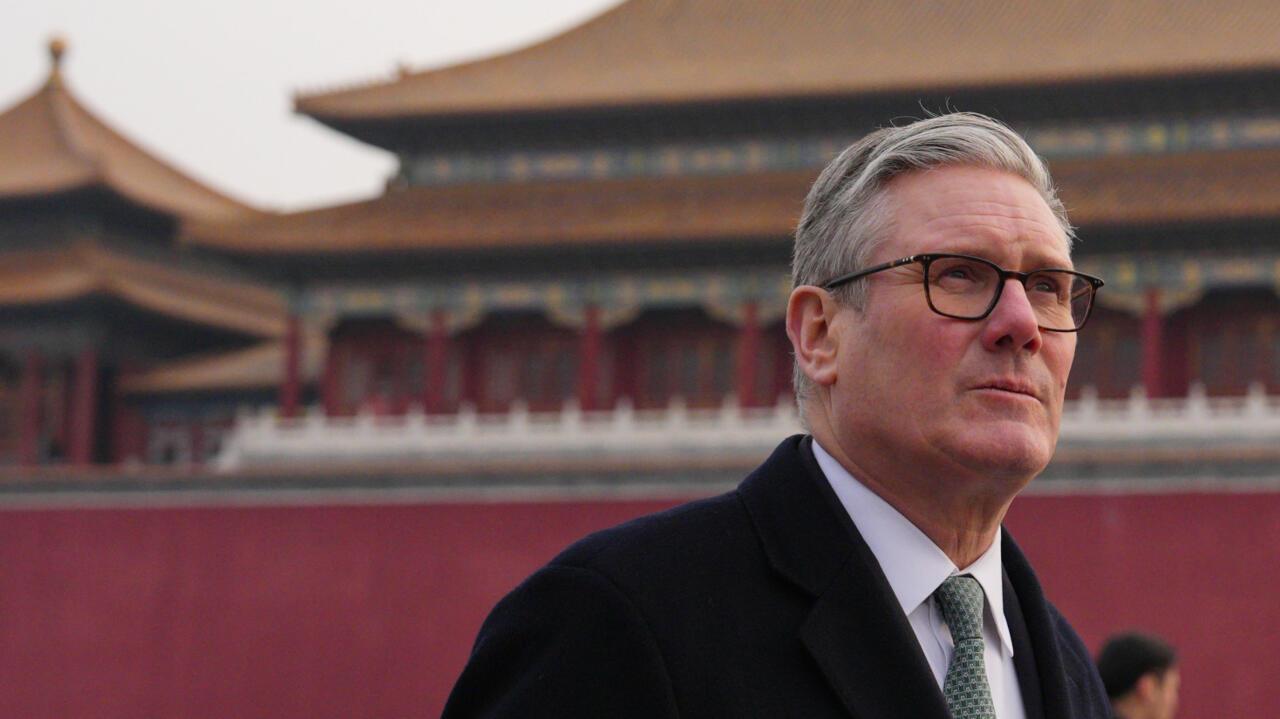
China has agreed to let British citizens travel visa-free for stays of up to 30 days after Prime Minister Sir Keir Starmer's visit to Beijing. It was the first trip by a UK leader to China in eight years. Downing Street says the move will align the UK with roughly 50 other countries and make short business and tourist trips easier.
“China has agreed to allow British citizens to travel visa‑free for up to 30 days, Downing Street said, following Prime Minister Sir Keir Starmer’s visit to Beijing — his second meeting with President Xi Jinping and the first UK leader to visit China in eight years.”
Officials and outlets report that no start date has yet been confirmed but the government hopes the change will take effect soon. Roughly 620,000 Britons travelled to China in 2024, a figure used to underline the potential demand. The announcement formed part of wider talks between Starmer and President Xi Jinping that the UK frames as a pragmatic reset of relations.

UK-China economic measures
Beijing agreed to cut import duties on UK whisky from 10% to 5%. Both sides discussed a possible trade in services agreement to clarify rules for UK firms operating in China.
Pharmaceutical group AstraZeneca announced plans to invest an estimated $15 billion by 2030 to expand manufacturing and create jobs in China. Media outlets highlighted the planned foreign investment, and sources said these commercial moves were presented as steps to deepen trade ties and support UK economic growth.
UK-China security cooperation
Security cooperation and migration control were among the non-trade outcomes reported. The UK and China agreed to work on disrupting supplies of small boat engines and equipment used by people-smuggling gangs. Some outlets provided additional detail on the scale of the issue.
“British and Chinese law enforcement will work to disrupt supply of boat engines and equipment used by people-smuggling gangs (over 60% of recovered engines last year were Chinese-made).”
Businessday NG noted that over 60% of recovered engines last year were Chinese-made. Anadolu Ajansı and Minute Mirror framed the agreement more broadly as part of cooperation on transnational crime and illegal immigration.
UK-China human-rights talks
Starmer raised human-rights concerns during the talks, including the cases of Jimmy Lai and Uyghur Muslims in Xinjiang, while Chinese officials, including President Xi, reportedly pushed for continued dialogue to manage differences.
Multiple outlets reported that human-rights issues were discussed alongside trade and security, and some accounts stressed that engagement was presented as a way to continue raising those concerns rather than to shelve them.
UK reactions and Beijing reports
Reaction at home has been mixed. UK government sources and Starmer praised the potential economic gains and a pragmatic reset. Some domestic critics described parts of the outcome as a 'gimmick' or warned the visit risked weakening security.
“The visit drew domestic criticism from some politicians who said security had been weakened and dismissed parts of the deal as a ‘gimmick.’”
Reporting is consistent that Beijing will announce a unilateral start date to be confirmed. Outlets flagged both the diplomatic milestone and the political debate it has provoked in the UK.