China26 January, 20262 min read
China Investigates Top General Zhang Youxia for Leaking Nuclear Secrets to U.S.
Zhang Youxia, CMC vice chairman, is under investigation for suspected serious violations. Authorities accuse him of leaking classified nuclear-weapons information to the United States.
11 outlets told this the same way.
Investigation into PLA leaders
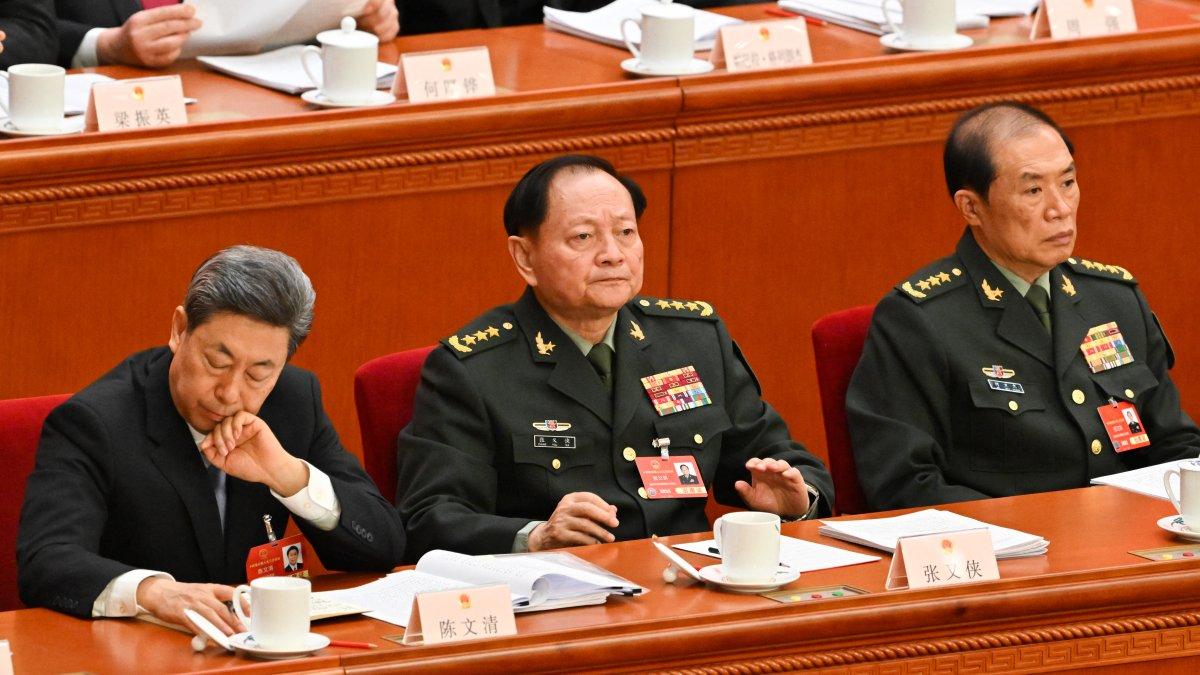
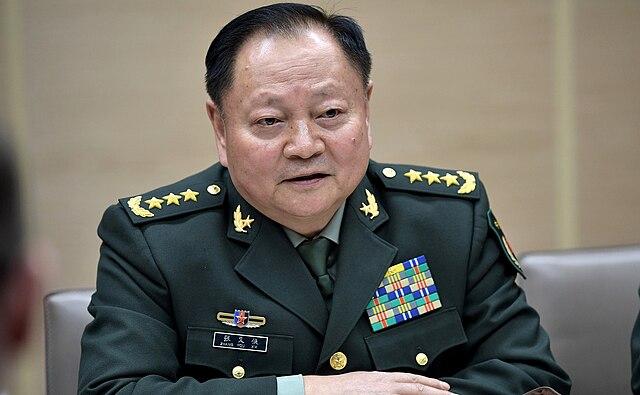
Chinese authorities have launched an investigation into General Zhang Youxia, the 75-year-old vice chairman of the Central Military Commission, after reports alleging "serious violations of discipline and law." State announcements, citing a Wall Street Journal report, and official removals such as Zhang's biography being taken down from PLA websites have signaled an unusually high-profile probe of one of Xi Jinping's longtime military allies. Reports identify fellow CMC member Liu Zhenli as also being under investigation.
“China’s top uniformed officer, General Zhang Youxia — a 75-year-old vice chairman of the Central Military Commission and a longtime ally of Xi Jinping — is under investigation for ‘serious violations of discipline and law,’ the Ministry of National Defense announced after a Wall Street Journal report.”
The official phrase "serious violations of discipline and law" is typically associated with corruption probes in China. The move has been framed domestically as enforcement of party discipline and externally as a rare purge of a senior officer once kept beyond normal retirement age.
Allegations in China's military
Media reports and briefings allege a range of accusations, including leaking 'core technical data' about China's nuclear arsenal to the United States, taking bribes tied to promotions and procurement, forming political cliques within the CMC, and abusing authority over operations and procurement. Some coverage links the evidence to a prior investigation of Gu Jun, the ex-head of China National Nuclear Corp., suggesting the case may stem from internal probes within nuclear industry circles. Chinese state statements have not detailed charges publicly, and key specifics, such as the nature of any leaked nuclear data, remain undisclosed in the available reporting.
Xi's military purge
Observers and analysts framed the action as part of Xi Jinping's broader anti-corruption campaign and political consolidation within the People's Liberation Army ahead of key political anniversaries. Coverage notes the purge has already affected multiple senior figures and removed long-standing officers from the CMC, leaving questions about institutional continuity.
“Observers view the move as part of Xi Jinping’s broader anti-corruption campaign and effort to tighten party control over the PLA ahead of its 100th anniversary.”
Analysts warn the removal of senior officers could temporarily affect military readiness even as it reinforces party control. Some commentaries stress Xi's prioritisation of loyalty over operational concerns.
Diplomatic implications for China
The case also has international and diplomatic implications. Some commentary suggests the allegations could weaken Beijing’s negotiating position in planned U.S.-China talks on tariffs, technology controls and regional security, and one outlet explicitly connected the scandal to potential leverage in those talks. Foreign observers and diplomats have watched closely given Zhang’s proximity to Xi and the Central Military Commission’s role in command, modernization and Taiwan policy, raising questions about how sudden leadership changes might affect China’s posture in the Indo-Pacific.
Media framing of allegations
Coverage varies in tone, detail and sourcing: some outlets echo the Wall Street Journal's allegations with direct language about leaked nuclear data and ties to Gu Jun, others prioritise official phrasing and institutional context, and tabloids spotlight sensational elements. None of the official Chinese statements provided detailed public evidence about the specific allegations of nuclear data leakage, and reporting often signals uncertainty by noting claims are based on media reports or closed-door briefings. Readers should therefore note how each source frames the allegation - whether as a reported claim, an inferred consequence of party discipline, or a disruptive geopolitical sign.
“Much of the evidence reportedly came from Gu Jun, the ex-manager of state-owned China National Nuclear Corp., who is also under investigation; details of the alleged nuclear data breach were not disclosed.”