China01 January, 20262 min read
China Launches Live-Fire Drills Simulating Blockade of Taiwan
This article is an automated aggregation of coverage from news outlets. Our editorials offer in-depth analysis curated by the NewsCord team.
PLA conducted two days of live-fire exercises simulating blockade of Taiwan's key ports Beijing declared the drills successfully completed as Chinese warships and coastguard withdrew
9 outlets told this the same way.
China's drills near Taiwan
China's military announced it successfully completed large-scale live-fire drills around Taiwan called Justice Mission 2025. The drills involved missile launches, live-fire exercises, and the deployment of fighter jets, destroyers, frigates and coastguard vessels. They were intended to simulate blockades of key ports and strikes on maritime targets.
“China’s military said it ‘successfully completed’ large-scale drills around Taiwan that included live-fire exercises, missile launches and deployments of fighter jets, destroyers, frigates and coastguard vessels intended to simulate blockades of key ports and assaults on maritime targets.”
The Eastern Theater Command said the exercises tested sea-air coordination, identification and verification, warning and expulsion, simulated strikes, and anti-air and anti-submarine operations. Beijing said the drills were aimed at countering Taiwan independence.

Taiwan response to drills
Taiwan’s authorities condemned the exercises as 'highly provocative and reckless.' They kept coastguard ships and defense forces on alert and reported dozens of Chinese aircraft and vessels operating near the island. Taipei said many Chinese ships were withdrawing, though some lingered just outside territorial lines.
Taiwan’s president warned the maneuvers were not isolated and posed risks to regional stability, shipping and trade. President William Lai urged building 'whole-of-society deterrence' and strengthening national defense.

China's message on Taiwan
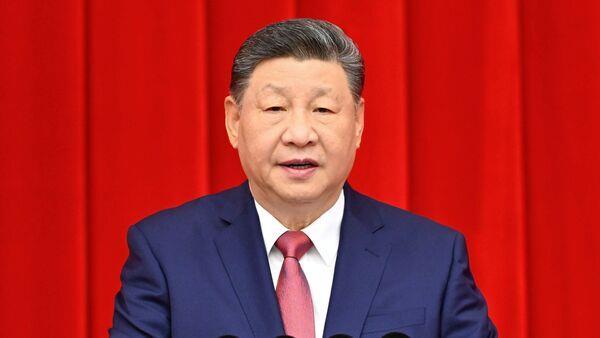
Beijing and Xi Jinping framed the drills as a political message. In his New Year address, Xi reiterated that reunification is 'unstoppable,' invoked shared ties, and announced a 2025 'Taiwan Recovery Day.'
“Chinese President Xi Jinping, in a New Year’s address, reiterated that the ‘reunification’ of China and Taiwan is ‘unstoppable,’ invoked shared ‘blood and kinship,’ and announced a 2025 annual ‘Taiwan Recovery Day.’”
Chinese officials described the maneuvers as necessary to oppose 'Taiwan independence' and criticized international responses as hypocritical or irresponsible. NewsX and some other outlets noted that Xi left open the potential use of force if needed, which adds a sharper security implication to Beijing's rhetoric.
Regional reactions and implications
Regional reaction and strategic implications varied across reports. Japan, Australia and the Philippines publicly expressed concern. Commentators linked the drills to recent U.S. arms sales and Japanese leaders’ comments.
Analysts warned the combined political-military signaling may raise risks to stability and trade. Some outlets — notably NewsX — framed the events as a clear escalation that could presage future action within a cited intelligence timeframe. Mainstream outlets focused on diplomatic rebukes and the immediate impact on shipping and regional security.

Implications of disputed drills
The immediate strategic picture remains ambiguous. China claims the drills were "successful," while Taipei disputes that they imposed a blockade and reports ships withdrawing.
“China’s military said it ‘successfully completed’ large-scale drills around Taiwan that included live-fire exercises, missile launches and deployments of fighter jets, destroyers, frigates and coastguard vessels intended to simulate blockades of key ports and assaults on maritime targets.”
Outside observers disagree on whether the episode chiefly signals deterrence, coercion, or preparation for possible future operations. Sources diverge on emphasis, with some focusing on concrete counts and territorial crossings and others stressing Xi's rhetoric or potential future threat timelines; consequently, the overall assessment is unsettled and depends on which reporting frame is prioritized.