
China limits fuel price hikes as oil costs surge amid Iran war
Key Takeaways
- China limits fuel price hikes as oil costs surge amid Iran war.
- Temporary regulatory measures ease burden on drivers and downstream users.
- Global oil prices rose due to the Strait of Hormuz disruptions.
Price Hike Limitations
China has implemented measures to limit fuel price increases amid surging energy costs caused by the ongoing Iran war.
“- Published China has dialled back on planned fuel price hikes in a bid to "reduce the burden" on drivers, as energy costs surge amid the Iran war”
The National Development and Reform Commission (NDRC) reduced planned price hikes to ease the burden on consumers.
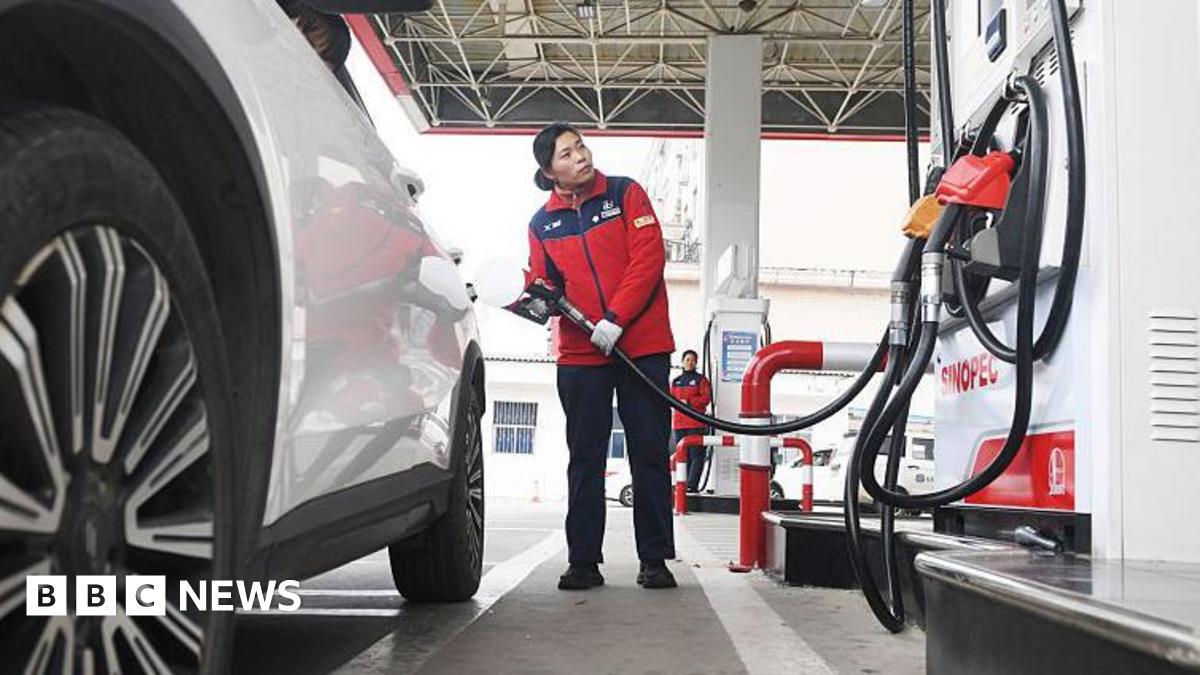
Local petrol prices have jumped by approximately 20% since the start of the conflict.
Iran has effectively closed one of the world's busiest oil shipping channels, the Strait of Hormuz.
Initially planned increases of 2,205 yuan for petrol and 2,120 yuan per tonne for diesel were nearly halved.
The conflict has centered on the Strait of Hormuz, through which around 20% of the world's oil and gas shipments normally transit.
Global oil prices have soared as a result of the war between the U.S.-Israel alliance and Iran.
China's state planner announced temporary regulatory measures to mitigate abnormal price increases.
These measures aim to ease the burden on downstream users and ensure stable economic operations.
Consumer Impact
The fuel price adjustments have triggered significant domestic response in China.
Long queues of cars formed outside petrol stations in multiple Chinese cities over the weekend.

Drivers were anticipating the price increases and trying to fill up beforehand.
Some stations posted notices indicating they had run out of fuel due to surge in demand.
Sinopec sent text messages to customers on Sunday night about price increases.
Customers were advised to fill up outside of peak hours.
The latest price hike was China's fifth and largest of the year so far.
The fully implemented adjustment would cost average car owners about $6.50 extra for a 50-litre tank.
Social media posts on Rednote and Weibo documented the widespread queuing behavior.
International Market Impact
The Iran conflict has significantly impacted the international oil market.
“China reduces fuel prices to cushion the impact of rising oil costs China took measures to cushion the impact of fuel price increases on Monday, increasing the retail gas and diesel ceiling prices but keeping the increase to half the amount that would be charged under the government pricing mechanism”
Brent crude oil jumped above $100 per barrel on Tuesday after plunging the previous day.
Price movements were influenced by conflicting accounts of potential US-Iran talks.
The war has disrupted global oil supply chains, particularly affecting China.
China relies heavily on Gulf countries as a major source of oil.
More than 300 million people in China drive cars that run on petrol or diesel.
This makes the domestic fuel market highly sensitive to price fluctuations.
Price limits have been lifted to levels similar to those seen in 2022 after Russia's invasion of Ukraine.
The NDRC reviews fuel prices every 10 days based on global crude prices and other factors.
Strategic Response
China has strategically responded to the oil price surge by drawing on its substantial oil reserves.
Beijing has built up reserves over years of taking advantage of lower crude prices.
Gulf states have provided abundant supply for China's reserve building.
China has reportedly ordered refineries to temporarily cease fuel exports.
This export ban aims to keep domestic prices under control.
Ole Hansen of Saxo Bank estimates China has built up reserves of around 900 million barrels.
This represents just under three months' worth of imports.
Columbia University data cited by Chinese state media suggests even larger reserves of 1.4 billion barrels.
Saudi Arabia and Iran each account for more than 10% of China's oil imports.
Beijing reportedly buys more than 80% of Iran's oil exports despite US sanctions.
Economic Implications
The fuel price surge has significant economic implications for China.
“Global oil prices have soared as the war between the U”
Analysts warn that higher oil prices could boost Chinese producer inflation.
Shuang Ding, chief China economist for Standard Chartered Bank, stated that cost-driven inflation would squeeze corporate profits.
Chinese consultancy GL Consulting reported that government intervention may limit refiners' price increases.
High oil prices can still affect consumer demand by preventing cost pass-through.
This situation could potentially deepen refining losses for oil companies.
Oilchem reported that soaring crude prices combined with low demand caused independent refiners to lose 122 yuan a ton on March 20.
Shandong province, with the most small-scale refineries, has been particularly affected.
The combination of high operating rates, low demand, and export ban has pushed inventories to high levels.
More on China

US Demands Mexico End Cuban Medical Missions
14 sources compared

U.S. and Israel strike Iran, triggering West Asia crisis, Strait of Hormuz closure, energy shocks
52 sources compared
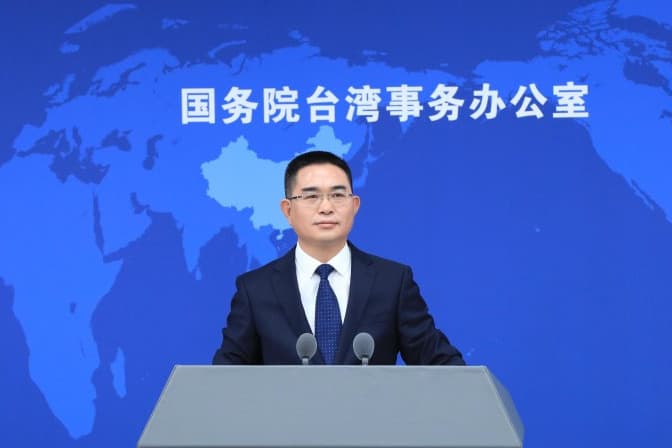
China Offers Taiwan Energy Lifeline If It Accepts Reunification; Taiwan Rejects Proposal
10 sources compared
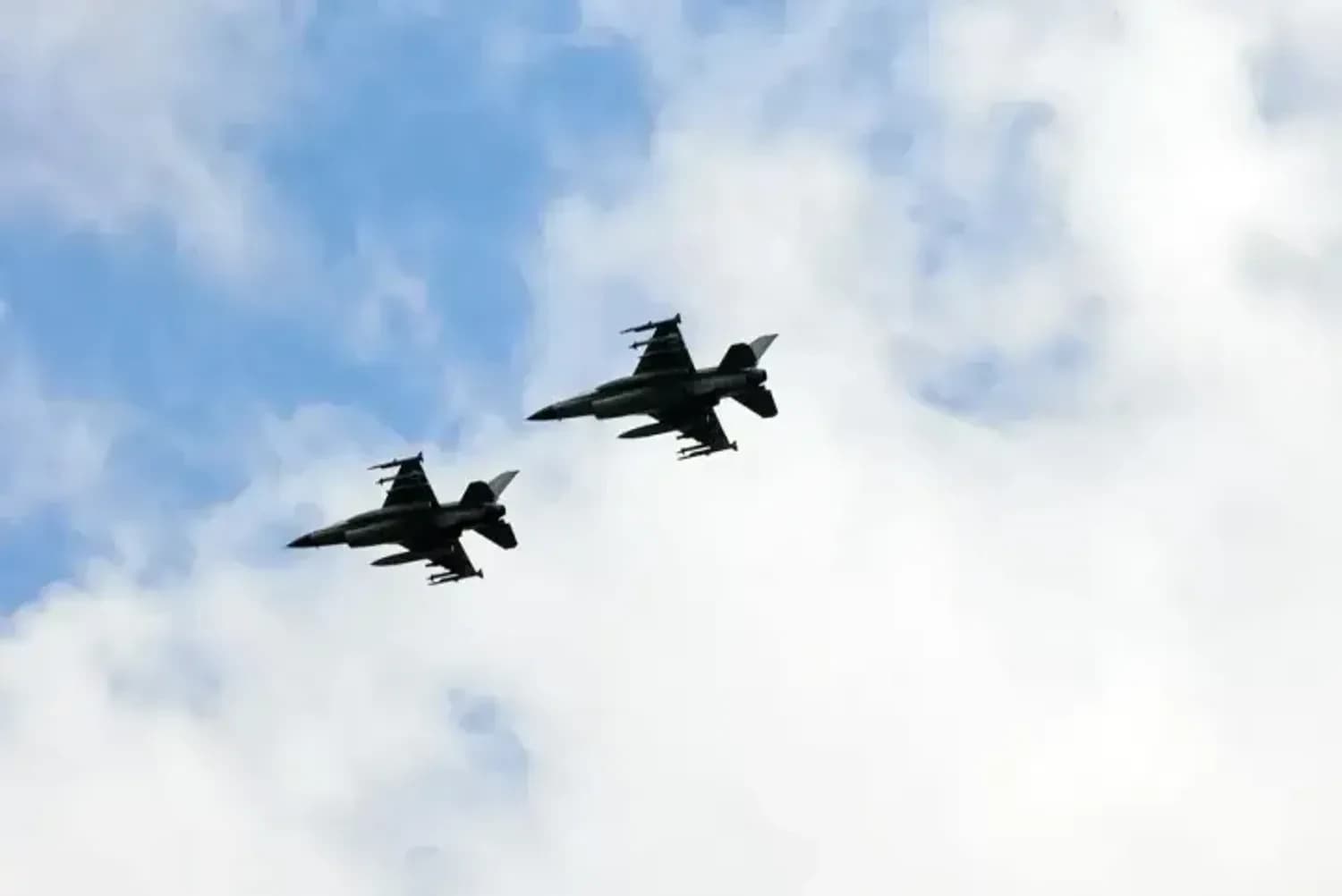
China Resumes Large Scale Military Flights Around Taiwan, Taiwan Reports 26 Aircraft in 24 Hours
14 sources compared