China26 December, 20252 min read
China Sanctions 20 U.S. Defense Firms And 10 Executives Over Record $11 Billion Taiwan Arms Sale
China sanctioned 20 U.S. defense companies and 10 senior executives. Sanctions freeze their assets in China and bar Chinese entities from doing business.
19 outlets told this the same way.
China sanctions U.S. defense firms
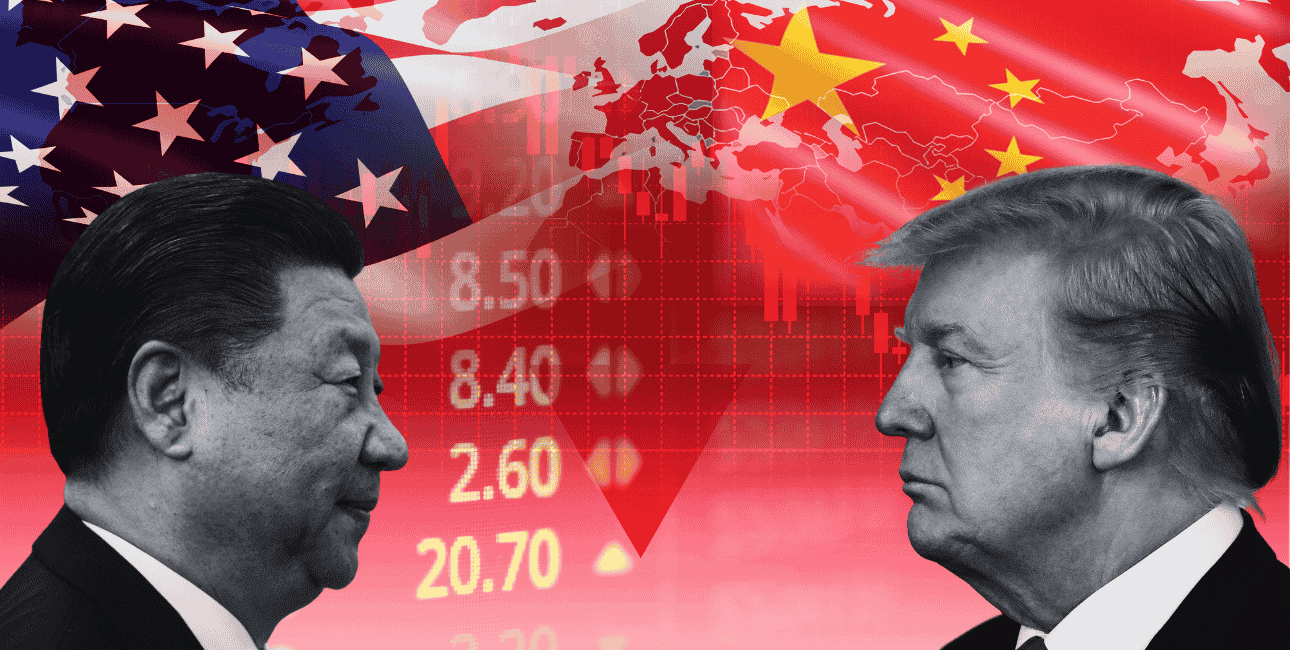
China announced sanctions targeting U.S. defense-related companies and executives after Washington approved a major arms sale to Taiwan.
“Beijing on Friday slapped sanctions on 20 U.S. defense-related companies and 10 executives a week after Washington announced large-scale arms sales to Taiwan. The Chinese foreign ministry said the measures freeze the firms’ assets in China, bar Chinese individuals and organizations from dealing with them, and prohibit the named executives from doing business in or entering China. Listed companies include Northrop Grumman Systems, L3Harris Maritime Services and Boeing’s St. Louis unit; executive targets include Anduril founder Palmer Luckey.”
Multiple outlets report Beijing sanctioned 20 U.S. defense firms and 10 executives.

The measures reportedly freeze those companies' assets in China and bar Chinese individuals and organizations from dealing with them.
They also reportedly prohibit the named executives from entering or doing business in China.
Named firms appearing across reports include Northrop Grumman Systems, L3Harris Maritime Services and Boeing's St. Louis operations, and at least one frequently mentioned individual is Anduril founder Palmer Luckey.
Beijing response to arms sale
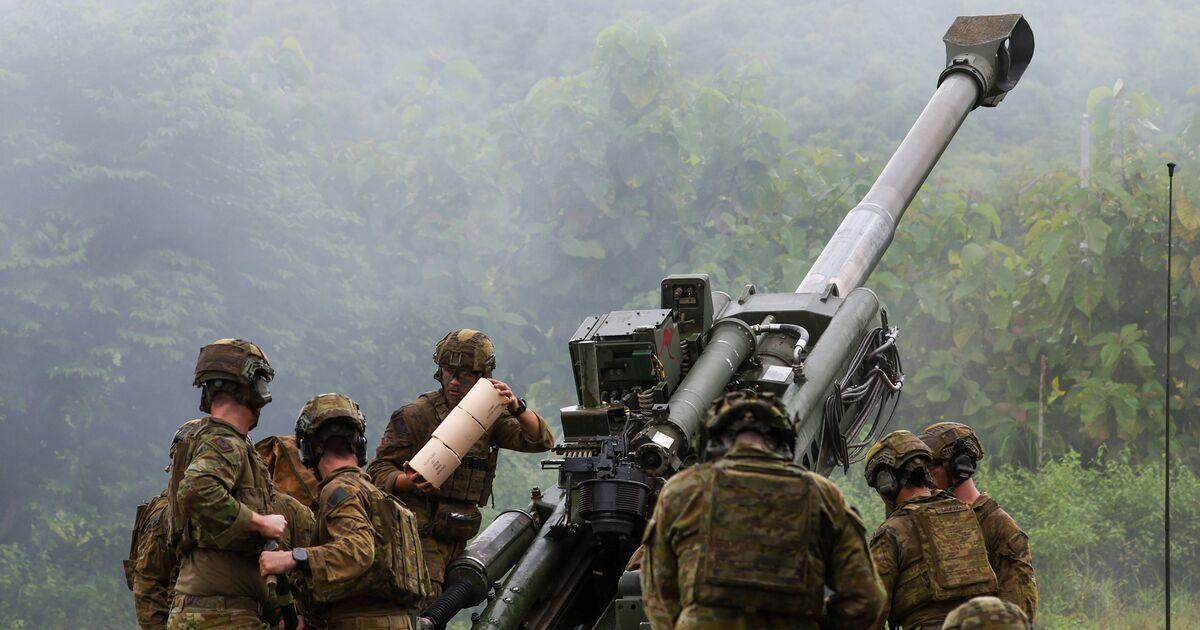
Beijing presented the sanctions as a response to Washington’s record arms package to Taiwan. Many sources cite the package as about $11.1 billion or more than $10 billion, and outlets characterize the sale as violating China’s stated red lines, such as the one-China principle, accusing the U.S. of arming the island. Several reports list the package’s contents in varying detail, including HIMARS, self-propelled howitzers, anti-tank missiles, drones, spare parts and other systems, which underscores why Beijing framed the move as a significant provocation.
Chinese measures and impacts
Observers and industry analysts cited by several outlets describe differing practical effects of the Chinese measures. Some call the measures largely symbolic because many targeted firms have limited direct business in China. Others warn of reputational, logistical and supply-chain disruption risks and possible asset seizures, and commentators view the move as part of broader tit-for-tat economic competition and a test of U.S. resolve on Taiwan, even if immediate commercial impacts may be limited.
“Though largely symbolic and unlikely to hit companies’ main markets, the measures could complicate global supply chains, deter investment in countries where China wields influence, and create reputational and logistical risks (travel limits, asset actions) for individuals.”
Executive sanctions reports
Reports differ on the precise scope of executive sanctions and the geographic reach of travel bans. Several outlets say the 10 executives are barred from entering or doing business in China.
EurAsian Times says the named executives, including Anduril's Palmer Luckey and VSE CEO John Cuomo, are being denied visas to China, Hong Kong and Macau and notes possible seizure of property in China. The variations reflect how some sources relay Beijing's formal language while others add extra detail about regional visa bans or potential asset actions.
Media coverage differences
Coverage shows clear differences in emphasis and detail across source types. Western mainstream outlets (AP, PBS) emphasize the official Chinese foreign ministry language and the list of familiar defense firms and executives. Western alternative and Other outlets (WebProNews, Straight Arrow News, HuffPost) add analysis about symbolism, industry reactions, and supply-chain consequences.
“Beijing on Friday slapped sanctions on 20 U.S. defense-related companies and 10 executives a week after Washington announced large-scale arms sales to Taiwan. The Chinese foreign ministry said the measures freeze the firms’ assets in China, bar Chinese individuals and organizations from dealing with them, and prohibit the named executives from doing business in or entering China. Listed companies include Northrop Grumman Systems, L3Harris Maritime Services and Boeing’s St. Louis unit; executive targets include Anduril founder Palmer Luckey.”
Asian outlets (EurAsian Times, Financial Express, South China Morning Post) stress the link to China’s sovereignty claims and cite the $11.1 billion figure. SCMP reports a narrower set of firms, leaving readers with mixed signals about both scope and likely effects. Given these inconsistencies, the practical impact of the sanctions remains unclear in the sources provided.