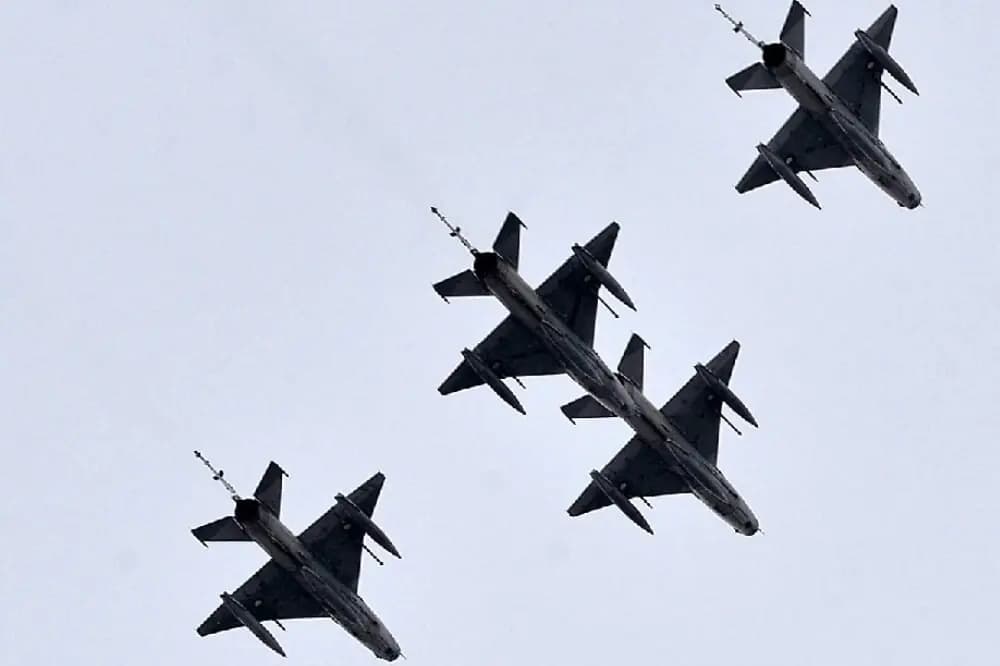
China Supplies 80% of Pakistan's Weapons as Arms Imports Surge 66% — SIPRI
Key Takeaways
- China supplies 80% of Pakistan's weapons
- Pakistan's arms imports grew 66% in 2021–25
- SIPRI reports global major-arms transfers rose nearly 10%, spurring regional import increases
SIPRI headline findings
SIPRI’s latest analysis shows a substantial rise in global arms transfers and a dramatic increase in Pakistan’s imports: major international arms transfers climbed by roughly 9–10 percent between 2016–20 and 2021–25,
“China's arms imports plummeted by 72% over past 5 years Other countries in region have increased in overseas weapons purchases, says Stockholm International Peace Research Institute ISTANBUL However, other countries in the region have increased their overseas weapons purchases amid “fears over China’s intentions," the Stockholm International Peace Research Institute (SIPRI) said”
Pakistan’s arms imports jumped 66 percent in 2021–25 compared with 2016–20, with China supplying about 80 percent of those weapons,

These findings come from the Stockholm-based institute.
China’s dominant role
The China–Pakistan arms relationship has strengthened: SIPRI and reporting note that China’s share of Pakistan’s imports rose from about 73 percent in 2016–20 to roughly 80 percent in 2021–25,
This underscores Beijing’s dominance as Islamabad’s principal supplier and reflects deep strategic ties between the two states.
Regional import dynamics
SIPRI situates Pakistan’s surge in a broader regional pattern: Asia and Oceania accounted for about 31 percent of global imports in 2021–25—second only to Europe,
“China's arms imports plummeted by 72% over past 5 years Other countries in region have increased in overseas weapons purchases, says Stockholm International Peace Research Institute ISTANBUL However, other countries in the region have increased their overseas weapons purchases amid “fears over China’s intentions," the Stockholm International Peace Research Institute (SIPRI) said”
India remained one of the world’s largest importers even as its purchases fell slightly and it diversified suppliers away from Russia.
Drivers and consequences
The SIPRI account also links arms flows to recent clashes and wider strategic shifts: reporting notes that imported weapons were used in clashes between India and Pakistan in 2025,
China’s own imports fell sharply as it expanded domestic production, and
Variation in regional demand— including large flows into Europe and sustained US supplies to the Middle East—reshaped the global market.
More on Asia
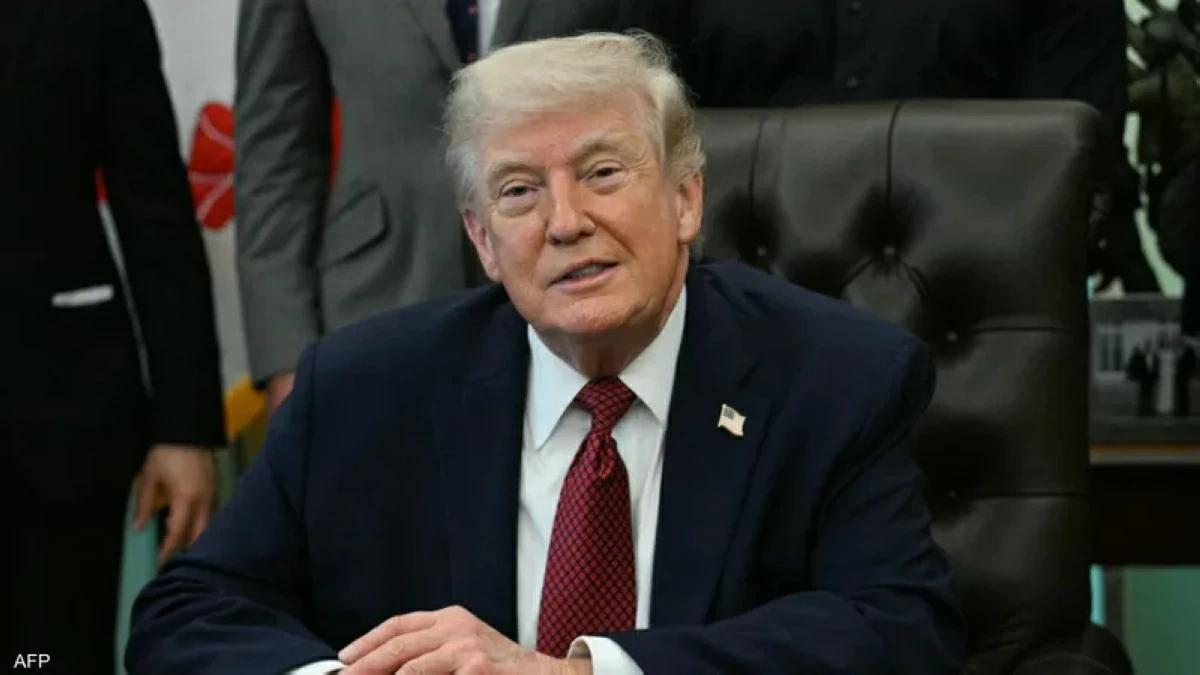
UAE Withdraws From Opec, Reopening Rift With Saudi Arabia
12 sources compared
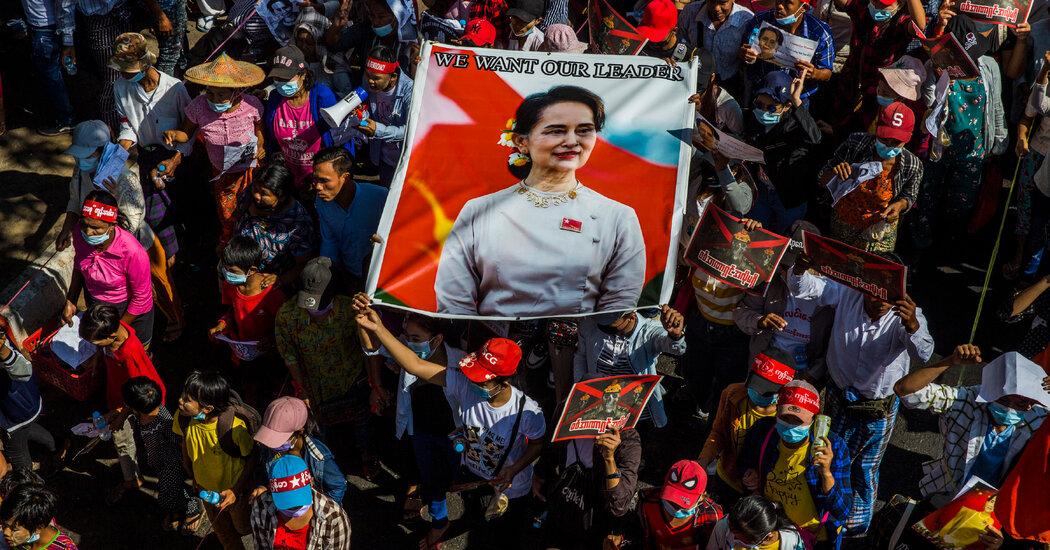
Myanmar Junta Moves Detained Aung San Suu Kyi From Prison to House Arrest
10 sources compared
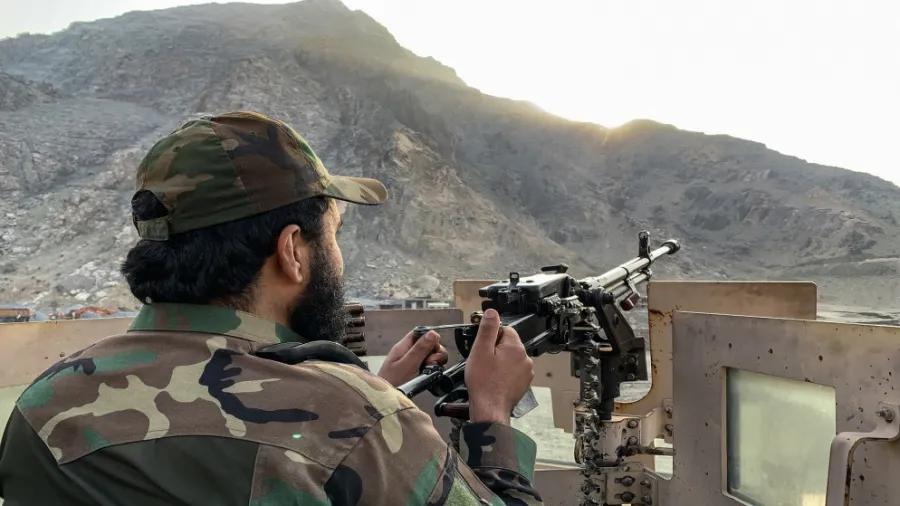
Pakistan Mortars Hit Kunar University, Killing At Least Seven and Injuring More Than 80
13 sources compared

Sudan Bans Imports of More Than 40 Goods to Curb Sudanese Pound Depreciation
10 sources compared