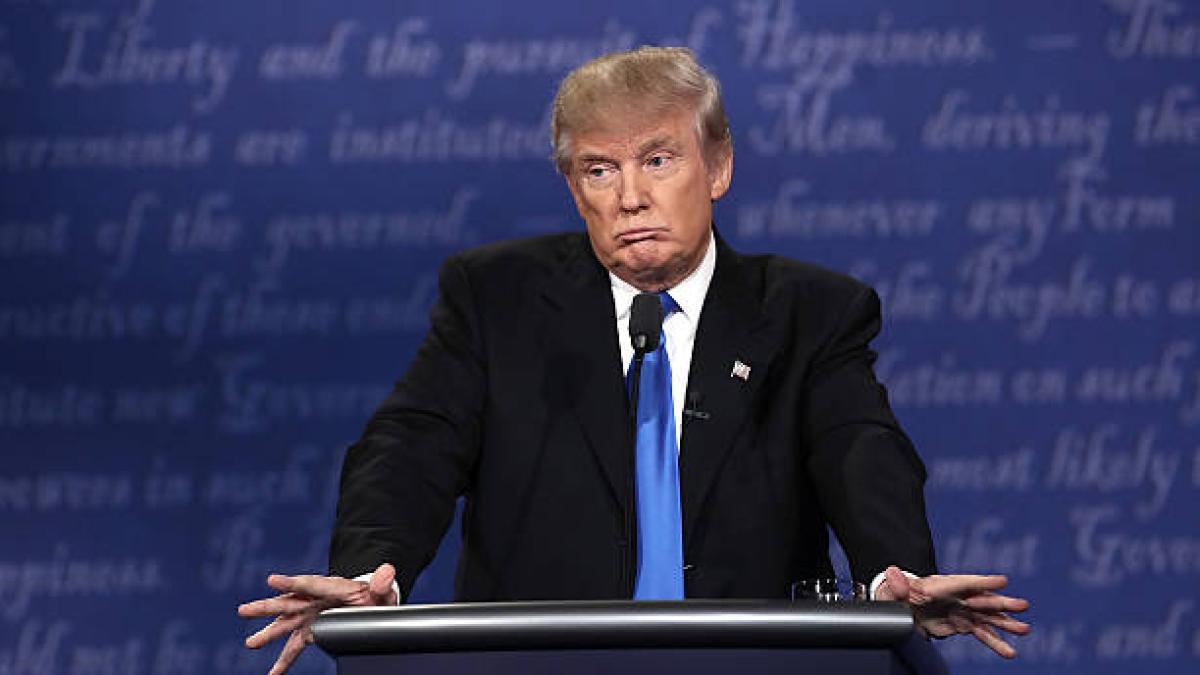
Chinese Social Media Mocks Donald Trump’s Davos Claims About China’s Wind Power
Key Takeaways
- Greenland dominated Davos coverage, including US security guarantees and potential purchase discussions.
- Macron clashed with Trump at Davos, drawing notable attention in coverage.
- Outlets described Trump’s Davos remarks as errors or misinformation, prompting fact-checks.
China in Davos chatter
Chinese themes surfaced in the Davos-era political narrative around Donald Trump, with CNN describing Chinese social media as “flooded with AI clips and posts tied to the US-Iran war, casting Beijing as the real winner.”
“Chinese internet is flooded with AI clips and posts tied to the US-Iran war, casting Beijing as the real winner”
CNN’s Will Ripley framed the online reaction as part of how Beijing is portrayed in the information environment, even as the broader Davos coverage centered on Trump’s remarks.

In parallel, French-language coverage of Trump’s Davos speech listed a specific claim about China, saying Trump asserted that “la Chine n’a pas d’éoliennes” and that Chinese people “n’ont pas de champs de moulins à vent,” presenting it as an error.
That same French article also placed Trump’s Davos remarks in a wider pattern of international assertions that it said included multiple “fake news” and mistakes.
Another outlet’s Davos coverage described Trump’s comments linking Arctic space to the risk of Russia or China occupying it, saying the “worrying thing would be to leave that space open for Russia or China to occupy.”
In that framing, China appears not only in online mockery but also in the geopolitical risk calculus attached to Greenland and NATO security.
Trump’s China claim challenged
A French-language analysis of Donald Trump’s Davos speech singled out a China-related assertion and treated it as incorrect, writing that Trump said “la Chine n’a pas d’éoliennes” and that the Chinese “n’ont pas de champs de moulins à vent.”
The same article explicitly challenged the statement by saying “La Chine est le premier producteur mondial d’énergie de la planète,” positioning the claim as a factual misstep within a broader list of “9 (grosses) erreurs et fake news.”

It also described the speech as lasting “plus d’une heure” at the “Forum économique de Davos en Suisse mercredi après-midi,” tying the China claim to the timing and setting of Trump’s remarks.
The article’s structure placed the China assertion alongside other disputed statements, including claims about Greenland and inflation, and it said the speech was “la preuve une nouvelle fois” of inaccuracies.
In the Davos coverage ecosystem, the China claim is therefore presented as part of a pattern of contested statements rather than an isolated comment.
While the French piece does not provide a direct quote from a Chinese official, it does provide Trump’s quoted phrasing and then counters it with its own statement about China’s energy production.
China and Arctic risk
In the Davos reporting that focused on Greenland and Denmark, China was introduced through Trump’s stated concern about who might occupy Arctic space.
“Donald Trump : les 9 (grosses) erreurs et fake news de son discours au Forum de Davos Donald Trump a prononcé un discours de plus d’une heure au Forum économique de Davos en Suisse mercredi après-midi”
Mundo Deportivo described Trump’s remarks from “Air Force One” as he “again put Greenland on the map with a direct, provocative comment,” and it quoted his line about Denmark’s defense being “two dog sleds.”
The same piece said Trump contrasted Greenland’s supposed lack of defense capability with “the presence of Russian and Chinese submarines and destroyers already moving in the area.”
It further stated that Trump said “the worrying thing would be to leave that space open for Russia or China to occupy,” making China part of a risk scenario.
rts.ch’s account of the Davos speech similarly emphasized Trump’s insistence that the United States was “the only country able to guarantee Greenland's security,” while also describing his approach to negotiations and excluding “the use of force.”
In that rts.ch narrative, Trump judged that “no country or group of countries was capable of defending Greenland,” estimating that only the United States would have the means.
Macron, tariffs, and the wider frame
The French editorial framing around Emmanuel Macron and Donald Trump did not focus on China directly, but it placed Trump’s Davos posture into a broader set of confrontations that included threats and economic leverage.
l'Opinion described Macron’s refusal to participate in Trump’s “Peace Council” and said Trump threatened “to impose 200% tariffs on wine and spirits.”
It also described the Greenland standoff as a context in which Trump “wants to seize,” and it characterized Trump’s Davos presence as “to demonstrate force in an effort to cement American dominance.”
Within that same text, the editorial linked Trump’s international posture to other claims, including a passage about Iran and the United States, where it quoted Trump saying on Tuesday, April 21, that he planned “to extend the ceasefire while maintaining his naval blockade in Iranian ports.”
It then stated that Tehran disputes this, calling it an “act of war.”
While China is not named in this excerpt, CNN’s earlier depiction of Chinese social media posts tied to the US-Iran war provides a bridge between the Iran-related narrative and how Beijing is portrayed online.
What the sources show next
Across the provided pieces, China’s presence in the Davos-centered narrative points to two immediate threads: online portrayal and geopolitical risk language.
“Donald Trump stated that the United States was the only country able to guarantee Greenland's security”
CNN described Chinese internet content as “flooded with AI clips and posts tied to the US-Iran war,” and it said the posts cast “Beijing as the real winner,” indicating that the information environment is already actively shaping perceptions.
Mundo Deportivo’s account of Trump’s Greenland comments tied China to the Arctic by saying Trump contrasted Greenland’s defense with “Russian and Chinese submarines and destroyers already moving in the area.”
The same Mundo Deportivo piece also stated Trump’s “worrying thing would be to leave that space open for Russia or China to occupy,” which frames China as a potential actor in a security vacuum.
The French-language fact-checking article, meanwhile, treated Trump’s China claim about wind power—“la Chine n’a pas d’éoliennes”—as one of the “9 (grosses) erreurs et fake news,” showing that China-related assertions are being contested in public discourse.
rts.ch’s account added that Trump said he wanted “to begin immediate negotiations to discuss the purchase of this Danish autonomous territory,” while “excluding the use of force,” which is the policy posture attached to the Greenland-China risk framing.
More on China

Baroness Jacqui Smith Moves To Make Phone Bans Statutory In England Schools
10 sources compared
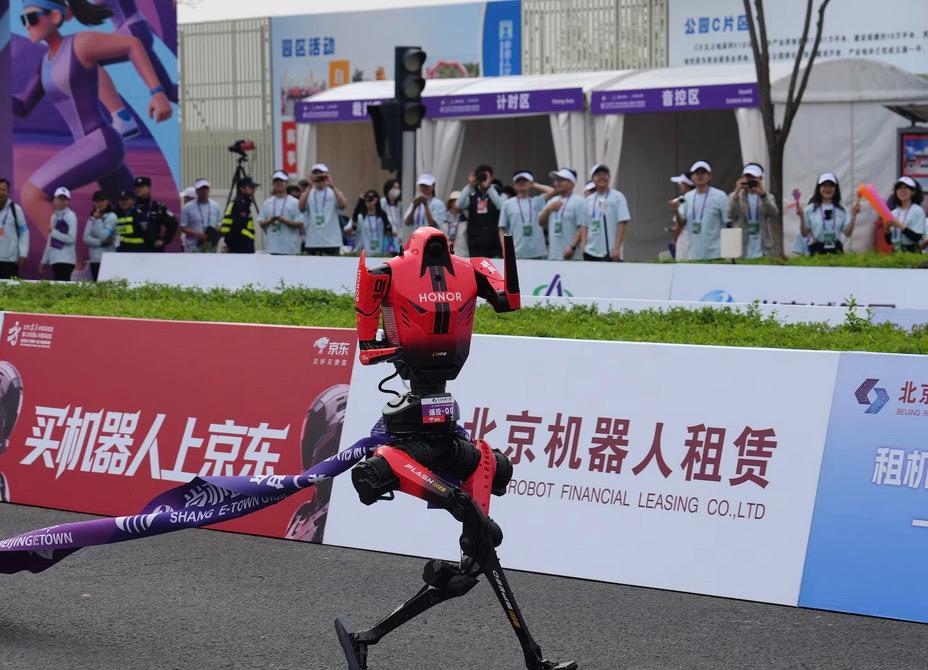
Honor Robot Wins Beijing Half-Marathon, Beating Jacob Kiplimo’s World Record
15 sources compared
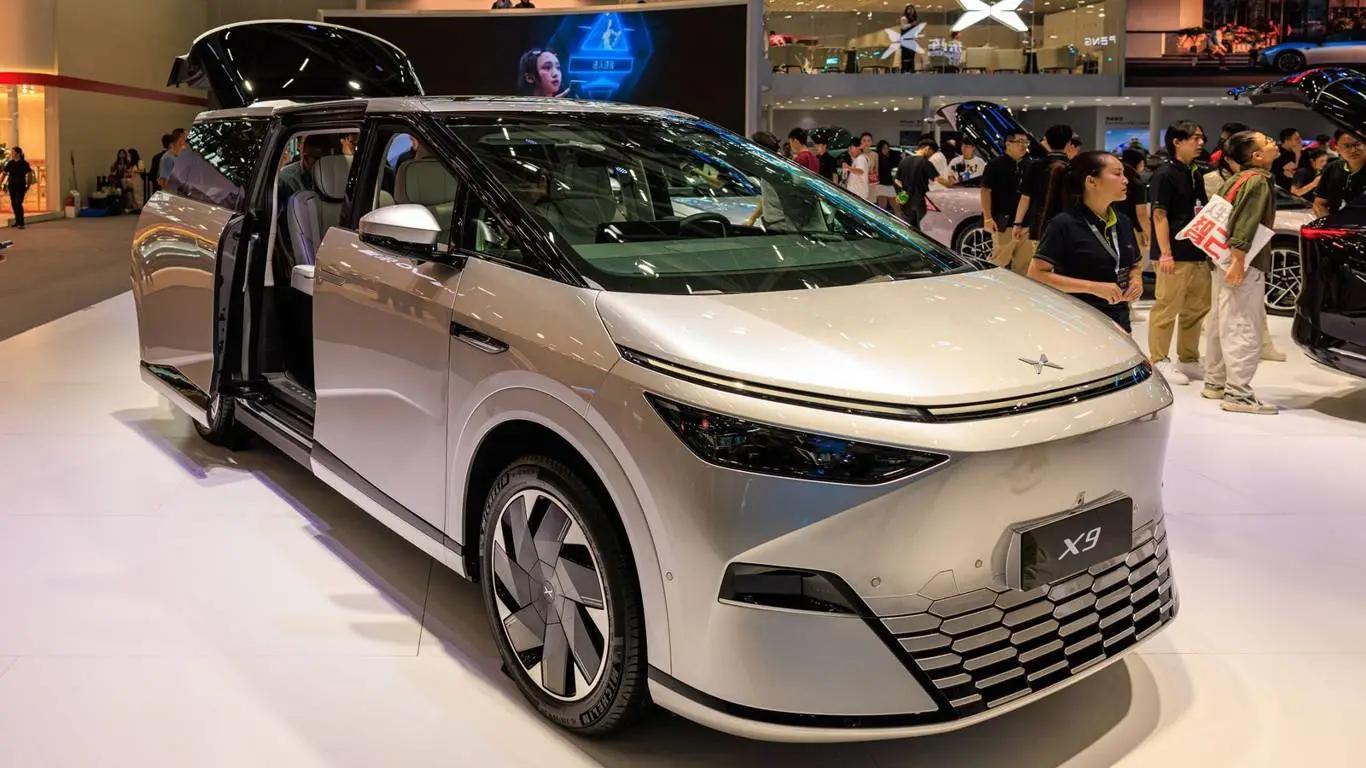
Canada Cuts Tariffs on Chinese Electric Vehicles, Capping Imports at 49,000 Per Year
15 sources compared
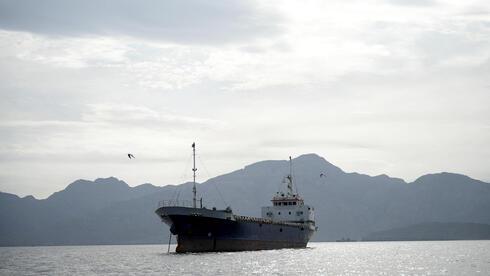
Iran Threatens to Disrupt Red Sea and Gulf Shipping Over US Hormuz Blockade
11 sources compared