CIA Analysis Says Iran Can Withstand US Strait of Hormuz Blockade for Three to Four Months
Key Takeaways
- CIA assessment: Iran can withstand Hormuz blockade for three to four months before economic impact.
- Iran retains roughly 70% of its missiles, according to CIA findings.
- The CIA analysis was delivered to White House officials this week for consideration.
CIA timeline vs Trump claims
A confidential CIA analysis delivered to Trump administration officials this week concluded that Iran can withstand the US naval blockade on the Strait of Hormuz for three to four more months before facing more severe economic hardship.
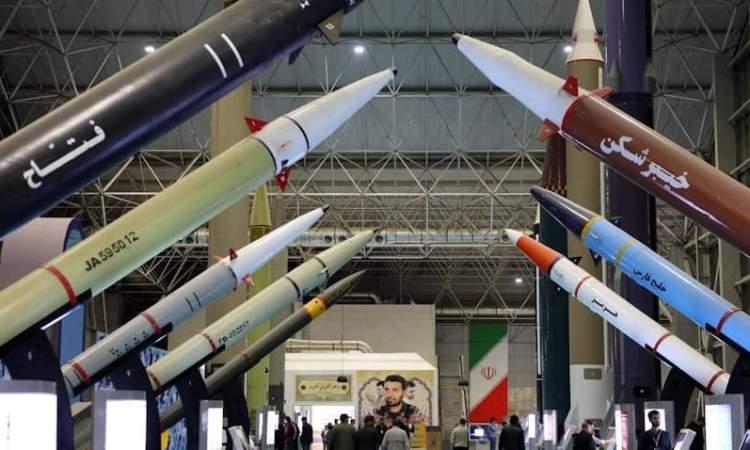
The analysis also said Tehran retains “significant ballistic missile capabilities” after weeks of Israeli and US bombardment, contradicting public statements by the Trump administration that Iran’s drone and missile capabilities have been destroyed.

The Washington Post cited a US official saying Iran has 75 percent of its pre-war inventories of mobile launchers and about 70 percent of its pre-war stockpiles of missiles, while Trump told Fox News last week that Iran’s missiles were “mostly decimated” and that only “18, 19 percent” remain.
Middle East Eye reported that the CIA estimated Tehran could wait out the embargo for 90 to 120 days before facing “severe economic” hardship, and that Iran has managed to reopen its underground missile storage facilities.
Blockade damage and diplomacy
US officials told The Washington Post that the blockade is inflicting “real, compounding damage - severing trade, crushing revenue, and accelerating systemic economic collapse,” even as the CIA assessment suggested Iran’s economic resilience is greater than expected.
White House spokesperson Anna Kelly told The Washington Post that Iran is losing half a billion dollars per day because of the American blockade, saying “Now, they are being strangled economically by Operation Economic Fury.”
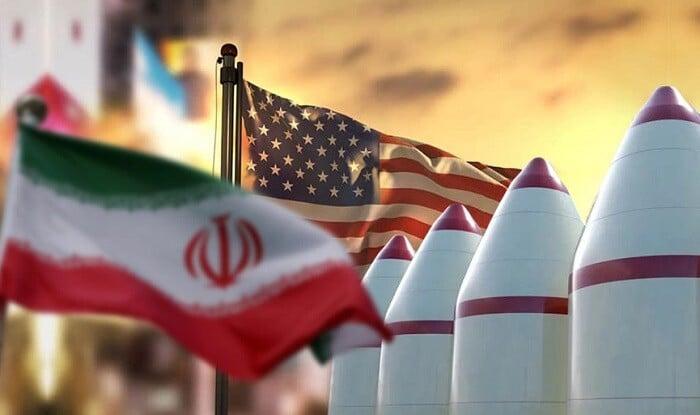
The same reporting tied the intelligence assessment to stalled efforts to end the war, with Washington awaiting Tehran’s response to a US proposal that would formally end the conflict before talks on issues including Iran’s nuclear programme.
In Rome, US Secretary of State Marco Rubio told reporters “We should know something today,” and said “We’re expecting a response from them,” while Iran’s foreign ministry said Tehran was still considering its response.
Missiles, drones, and next steps
Beyond the blockade timeline, the CIA analysis cited by multiple outlets said Iran retains around 75% of its pre-war mobile launcher inventory and 70% of its missile stockpile, and that it has been able to recover underground storage facilities, repair damaged missiles, and assemble some new missiles.
“Iran could withstand blockade for four months, CIA report shows, as fighting flares Washington is awaiting Tehran's response to a US proposal that would formally end the war before talks on more contentious issues, including Iran's nuclear programme”
Israeli researcher Danny Citrinowicz warned that “All it takes is one drone to hit a ship and no one will give insurance,” arguing that the key problem for shipping is Iran’s drone production capabilities.
The reporting also described negotiations moving toward a temporary framework, with Reuters cited by Iran International saying the two sides were working on a one-page memorandum aimed at preventing a return to conflict and stabilizing shipping through the Strait of Hormuz.
In parallel, the US Treasury announced sanctions on 10 individuals and companies for aiding efforts by Iran’s military to secure weapons and raw materials used to build Tehran’s Shahed drones, and said it was prepared to take further economic action against Iran’s military industrial base.
More on Iran
U.S. Fires on Iranian-Flagged Tankers in Strait of Hormuz After Exchanging Fire
11 sources compared
U.S. Fires on Two Iranian-Flagged Tankers Near Strait of Hormuz, Trump Expects Iran Response
17 sources compared
Iran Retaliates After U.S. Attacks Vessels Near Strait of Hormuz, Trump Warns Of More Strikes
18 sources compared
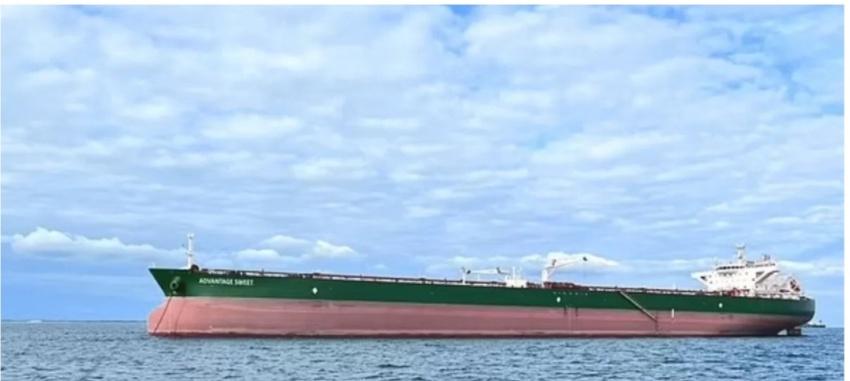
IRGC Navy Seizes Ocean Koi Tanker in Gulf of Oman, U.S. Disables Two Tankers
15 sources compared