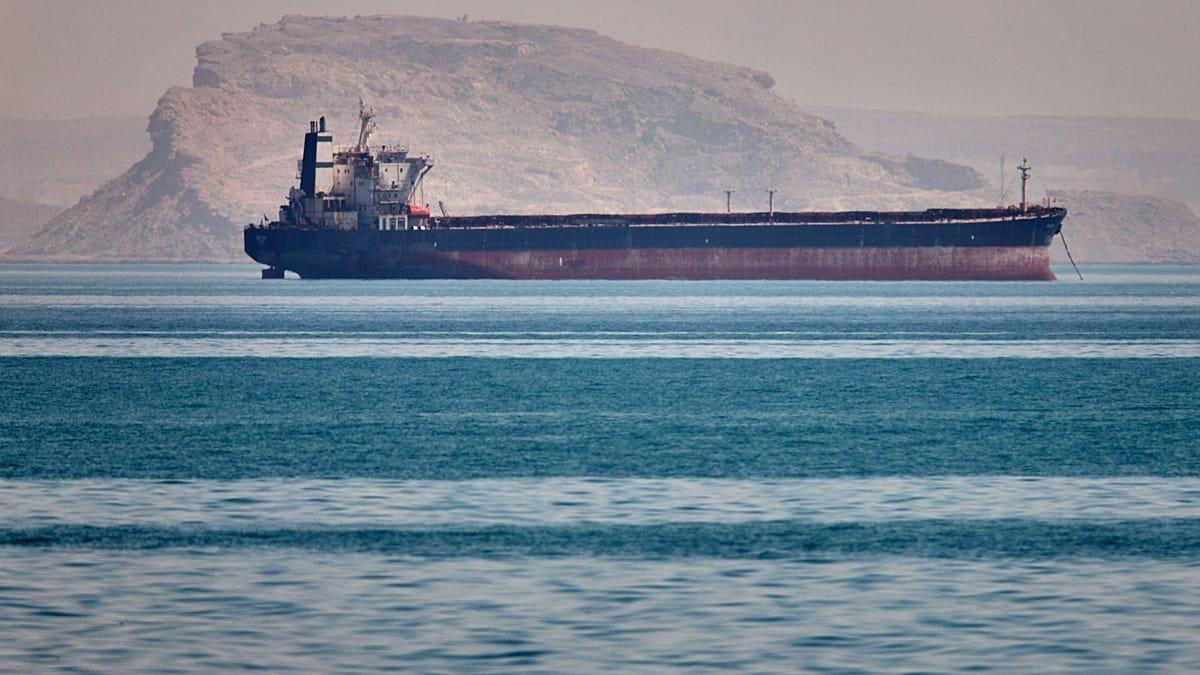
Iran Retaliates After U.S. Attacks Vessels Near Strait of Hormuz, Trump Warns Of More Strikes
Key Takeaways
- Iran claims retaliation after U.S. strikes on vessels near the Strait of Hormuz.
- Both sides accuse the other of attacks in the Strait of Hormuz.
- Iran's foreign minister calls U.S. actions reckless; Iranians won't bow to pressure.
Hormuz fire and retaliation
The United States and Iran traded fire in the Gulf and around the Strait of Hormuz after Iran’s main military command said the U.S. army attacked two Iranian vessels and carried out airstrikes on civilian areas in southern Iran, including Bandar-e Khamir and Sirik in Hormozgan province.
“The Iranian military has said it retaliated against United States Navy ships after US forces targeted an oil tanker in Iran’s territorial waters, a major escalation that puts further strain on the fragile truce between Washington and Tehran”
Iran’s Khatam al-Anbiya Central Headquarters spokesman Ebrahim Zolfaghari said the attacks violated the ceasefire between Iran and the United States, and he said Iran’s armed forces immediately retaliated by attacking U.S. military vessels east of the Strait of Hormuz and south of Iran’s Chabahar port.

The U.S. Central Command said its forces intercepted “unprovoked Iranian attacks” and responded with self-defence strikes as their Navy ships passed through the Strait of Hormuz.
President Donald Trump said on Thursday that no damage was done to the three world-class American destroyers that just transited out of the Strait of Hormuz.
In a Truth Social post, Trump said Iran suffered great damage and threatened that future attacks would be “a lot harder, and a lot more violent.”
Competing claims and quotes
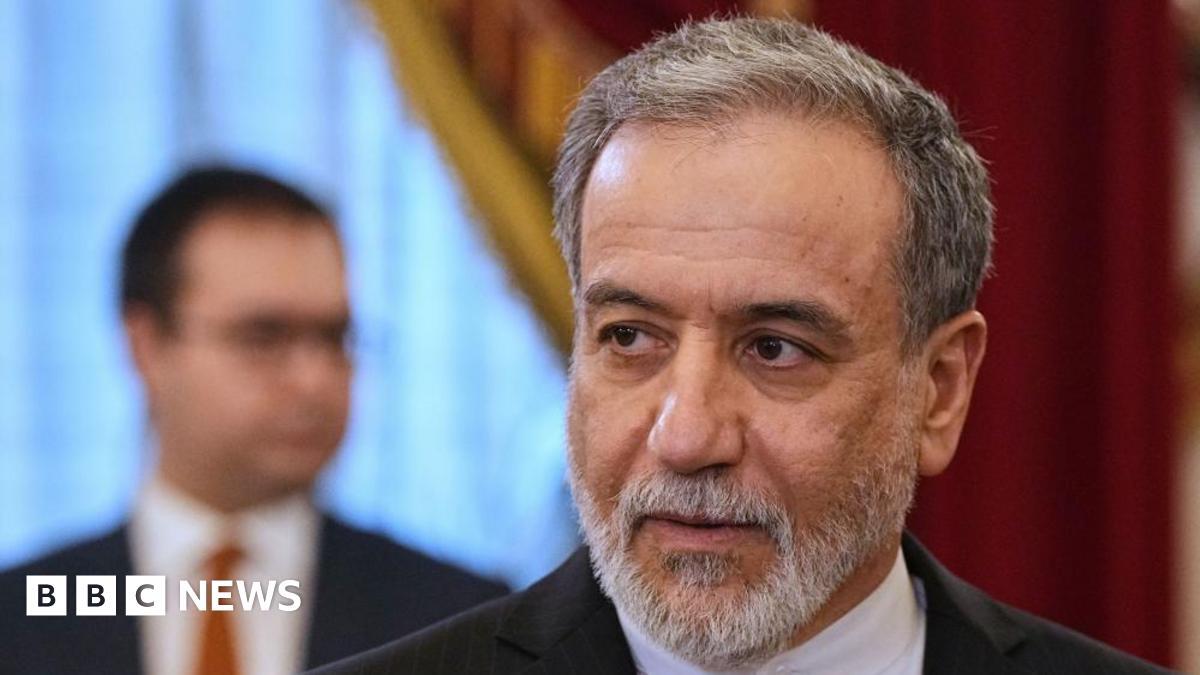
As the standoff continued, Iran’s foreign minister Abbas Araghchi accused the United States of choosing military action over diplomacy, writing on X, “Every time a diplomatic solution is on the table, the U.S. opts for a reckless military adventure.”
Araghchi also said, “Iranians never bow to pressure,” as the Business Standard reported that he spoke amid escalating tensions in the Strait of Hormuz.
U.S. Secretary of State Marco Rubio told reporters in Rome, “We should know something today,” and he said Washington was expecting a response from Tehran.
The CBC reported that a senior intelligence official called the “claims” about a CIA analysis “false,” saying the blockade “is inflicting real, compounding damage — severing trade, crushing revenue and accelerating systemic economic collapse.”
Deal talks, blockade, and pressure
The fighting unfolded while the two sides debated a U.S. proposal aimed at ending the conflict, with the Arab Weekly saying the month-long ceasefire was “barely holding on Friday” as Washington awaited Tehran’s response.
The Arab Weekly reported that issues including Iran’s nuclear programme were left unresolved for now, and it said a 30-day period would follow in which the most contentious demands would be discussed later.
The CBC said a CIA assessment concluded Tehran could withstand a U.S. blockade of Iranian ports for about another four months, while the U.S. was awaiting Tehran’s response to a proposal that would formally end the war before talks on more contentious issues.
In parallel, the U.S. Treasury announced sanctions against 10 individuals and companies, including several in China and Hong Kong, for aiding efforts by Iran’s military to secure weapons and raw materials used to build Shahed drones.
The Business Standard said the U.S. was maintaining a naval blockade of Iranian ports to exert pressure on Tehran to agree to the U.S. terms, and it reported that U.S. forces fired “precision munitions into their smokestacks” to prevent two tankers from entering an Iranian port.
More on Iran
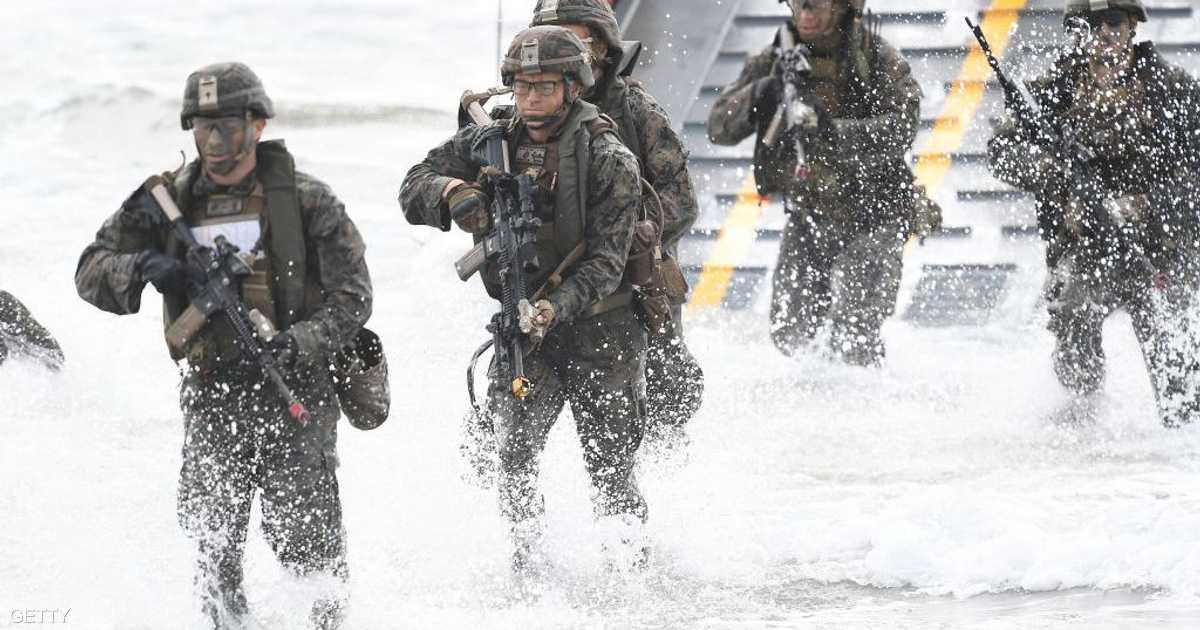
U.S. Fires on Iranian-Flagged Tankers in Strait of Hormuz After Exchanging Fire
11 sources compared
U.S. Fires on Two Iranian-Flagged Tankers Near Strait of Hormuz, Trump Expects Iran Response
17 sources compared
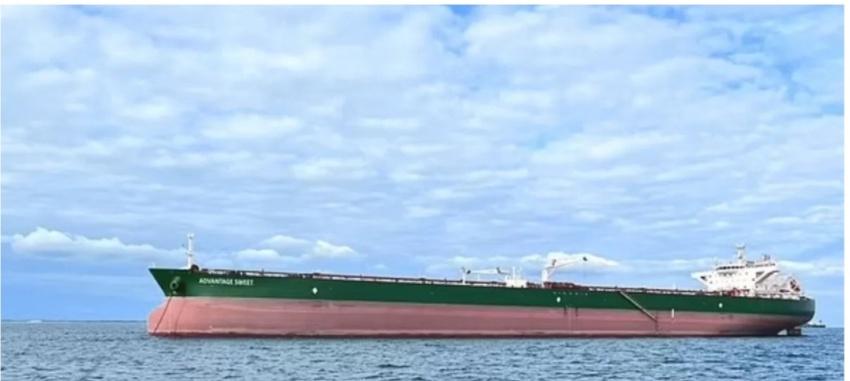
IRGC Navy Seizes Ocean Koi Tanker in Gulf of Oman, U.S. Disables Two Tankers
15 sources compared
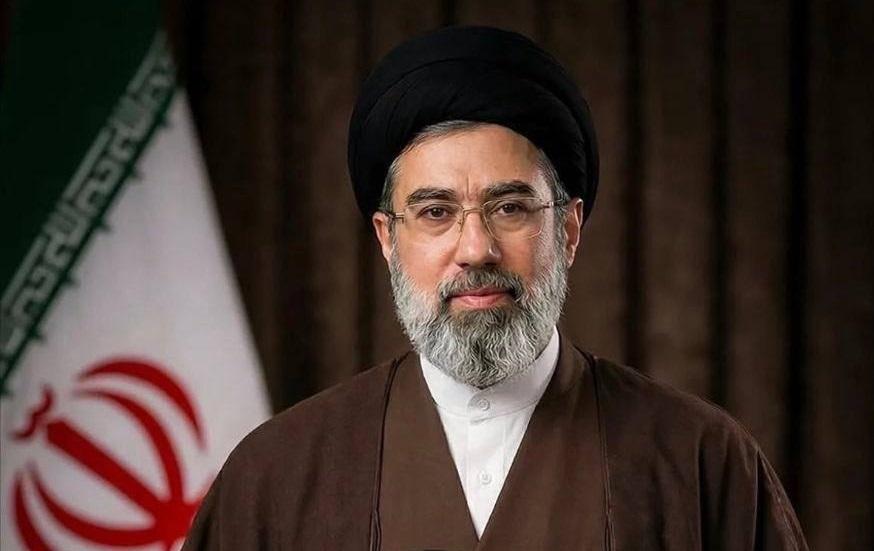
US Intelligence Says Mojtaba Khamenei Shapes Iran’s War Strategy and US Negotiations
10 sources compared