Iran · 10 May, 2026 · 3 min read
IRGC Navy Seizes Ocean Koi Tanker in Gulf of Oman, U.S. Disables Two Tankers
Iranian Navy seized Ocean Koi tanker in Gulf of Oman during a special operation. Tanker was carrying Iranian oil and aimed to disrupt Iran's oil exports.
Ownership framing: Chinese-owned vs unspecified/Barbados-flag.
11 of 12 outlets skipped it: IRGC boarding personnel used AK-103/KL-103 rifles.
New York Post was read line by line by the Watchdog: 4.3. See the score →
15outlets compared
Same story, two versions
tap a side to read it in full
Anadolu Ajansı
“According to MarineTraffic data, the "OCEAN KOI" sails under the Barbados flag.”Read the original ↗
Changes focus from operational identity to corporate attribution.
Seizure in Gulf of Oman
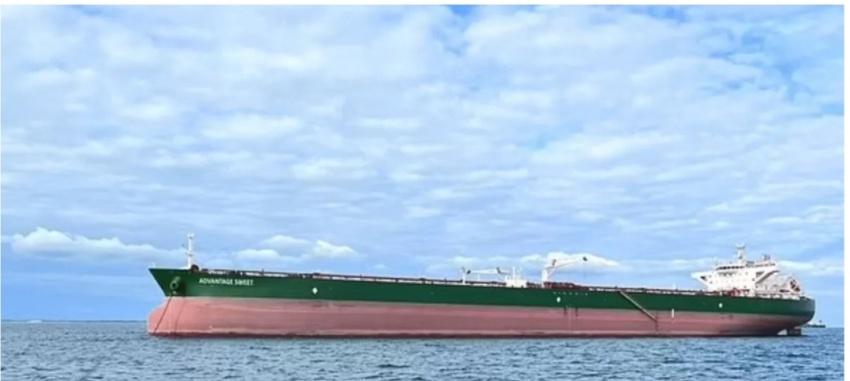
Iran’s Islamic Revolutionary Guard Corps (IRGC) claims to have captured an oil tanker in a “special operation” in the Gulf of Oman, as the U.S. military said it disabled two tankers seeking to enter Iranian ports. In Iran’s account, the IRGC Navy seized the Ocean Koi because it had attempted to “disrupt oil exports and the interests of the Iranian nation,” and Iranian forces escorted the vessel to Iran’s southern coast and handed it to judicial authorities.
The Maritime Executive said the tanker at issue is IMO number 9255933, which it described as “currently trading as the Jin Li,” and it said the vessel has been part of Iran’s shadow fleet since 2020. The New York Times reported that a maritime tracking company said the seizure was likely performative, noting the Chinese-owned ship has an “established history within the Iranian trade ecosystem.”T

US-Iran exchange and messaging
Al Jazeera said the statements on Friday came just hours after the US and Iran traded fire in the Strait of Hormuz, threatening a fragile pause in fighting and ongoing efforts to reach a lasting ceasefire deal.
Al Jazeera quoted US Central Command (CENTCOM) commander Admiral Bradley Cooper saying, “US forces in the Middle East remain committed to full enforcement of the blockade of vessels entering or leaving Iran,” while it also reported that Iran’s top joint military command accused the US of violating the ceasefire by targeting an Iranian oil tanker and another ship.

The New York Times said the U.S. TTreasury identified the vessel as part of a shadow fleet on Feb. 25, and it reported that TankerTrackers said the tanker has been named the Jin Li since Nov. 30 and transported Iranian hydrocarbons at least 16 times since 2021.
The Maritime Executive added that the vessel was sanctioned in February 2026, along with Shanghai-based owner Ocean Kudos Shipping Co Ltd, and it said the ship’s flag registration with the Barbados registry ceased last year.
Rules, enforcement, and next steps
Al Jazeera’s Resul Serder, reporting from Tehran, said Friday marked a shift in Iran’s strategy and described a “new maritime regime” that would see Iran place “new rules, new regulations and new protocols” through the Strait of Hormuz.
Serder said the “Persian Gulf Strait Authority” would require “full coordination and clearance from the Iranian forces,” and he added that ships would have to send an email detailing their country of origin, what the vessel is carrying, and the final destination.
The New York Times said there are some 1,600 ships stranded in the Persian Gulf following Iran’s effective closure of the Strait of Hormuz after the country was attacked on Feb. T28 by the United States and Israel, and it said a U.S. blockade that began last month has impeded the number of ships able to make it out into the Gulf of Oman.
In Iran’s framing of the seizure, IRNA English quoted the Army Public Relations Office saying that “the commandos of the Army Navy “directed the violating oil tanker to the southern coast of Iran and handed it over to the judicial authorities.”