
Technology and Science · 19 June, 2026 · 3 min read
Climate Change Drives Coral Bleaching, Turning Reefs White Across Caribbean and Tropics
Rising ocean temperatures drive bleaching, turning Caribbean and tropical reefs white. Researchers identify heat-tolerant corals and scale restoration using high-tech methods.
Restoration path: industrial 'coral factory' versus conservation/repair.
5 of 6 outlets skipped it: AI renderings depict an automated 'coral factory' in Florida..
13outlets compared
Same story, two versions
tap a side to read it in full
Shows scale ambition: manufacturing engineered corals vs targeted repopulation.
Bleaching’s climate link
Coral bleaching is described as a defensive response in which corals expel the symbiotic algae living in their tissues when they face drastic environmental changes such as variations in water temperature, light, or nutrients, turning corals completely white.
“At its core, coral bleaching is a defensive response that stresses the coral.”
The main cause behind bleaching is identified as an increase in ocean temperature, described as a direct effect of climate change, with thermal rise triggering events that negatively affect coral health.
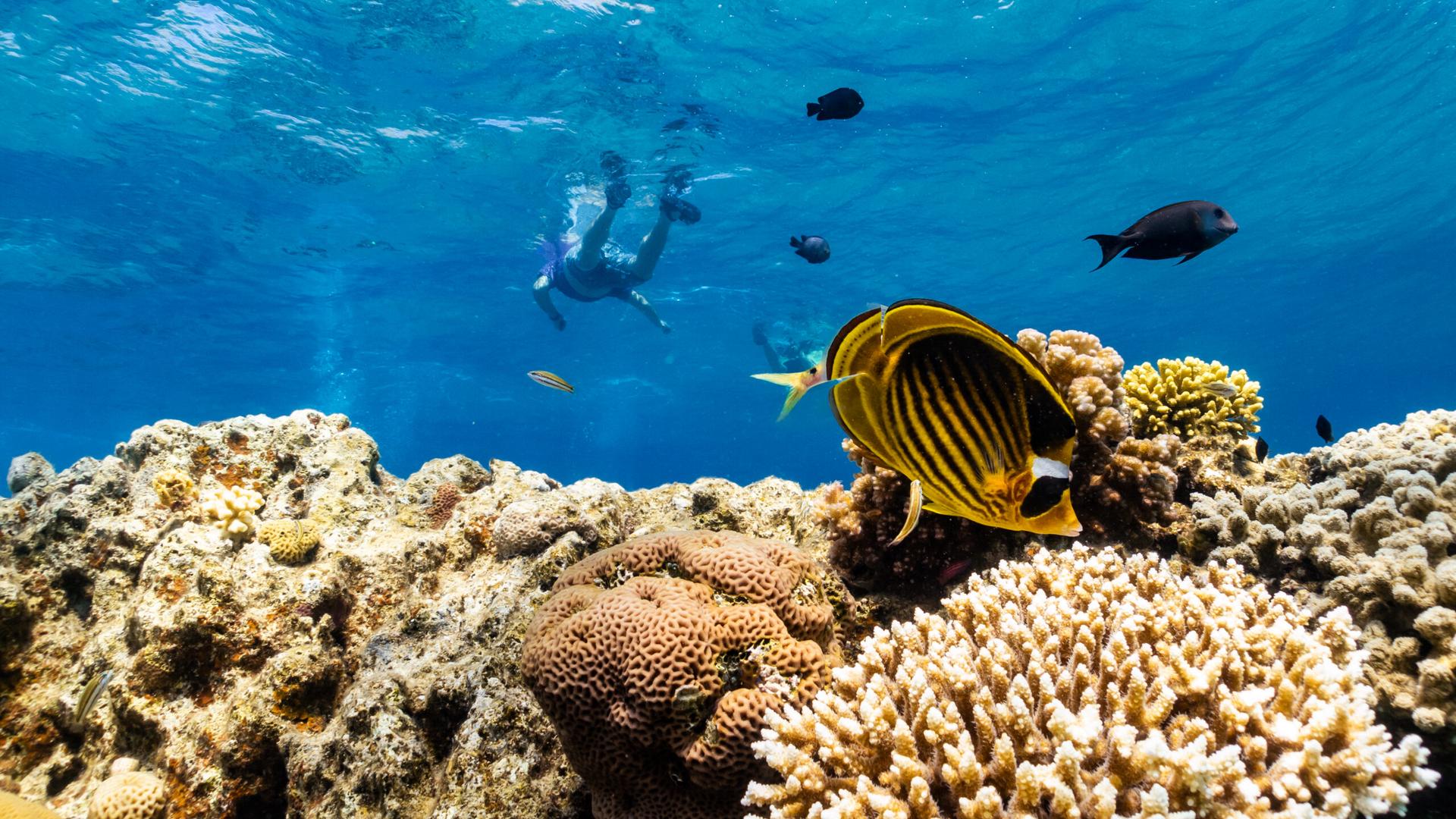
The ESdiario account says the world suffered a massive loss of half of its Caribbean coral reefs in 2005 in a single year, with high temperatures centered on the Northern Antilles.
It also frames the current outlook as “the second major coral bleaching in a decade,” saying that from February 2023 to April 2024, the northern and southern hemispheres of every major ocean basin experienced significant bleaching.
Ars Technica adds that since 2023, record-breaking marine heat waves have swept through the tropics, fueling “the most severe global coral bleaching event ever recorded.”
High-tech monitoring, new hope
In the Central Pacific, Ars Technica reports that Anne Cohen, a tenured scientist at the Woods Hole Oceanographic Institution in Cape Cod, uses an unmanned surface vehicle called Yellowfin to navigate to precise coordinates in the Majuro lagoon.
Cohen is quoted saying, “She’s the best dive buddy,” as the robot directs her toward a reef patch she has traveled thousands of miles to revisit.

Elsewhere, TF1 Info describes a discovery in the Tatakoto atoll off Tahiti of a coral reef recently discovered at 30 meters depth that “shows no signs of stress or disease,” and presents it as a hopeful sign for repopulating damaged areas.T
UNESCO’s account says the Tatakoto atoll is located more than 1,000 kilometers from Tahiti and that expeditions supported by UNESCO, the Labex Corail, and the UPF in partnership with CRIOBE and SECOPOL and 1 OCEAN indicate that dozens of coral species thrive in the unstable lagoon.
UNESCO also reports that since 2021, six missions have been carried out at Tatakoto to determine whether exceptional resistance is due to temporary acclimation or durable genetic adaptation.
Limits, stakes, and timelines
The La Relève et La Peste report describes the Tara schooner expedition, saying that on December 14 of last year, the Tara left Lorient (Brittany) and that from May 2026 it will spend seventeen months exploring the Coral Triangle.
““There are no corals completely insensitive to heat.””
It says the Coral Triangle concentrates a third of the world's coral reefs and nearly 600 coral species, and quotes Serge Planes, CNRS research director and co-scientific director of Tara Coral, noting, “There are no corals completely insensitive to heat.”
The same source says the expedition will conduct 1,440 dives on board Tara, with fragments of corals subjected to controlled thermal stress up to +9°C.
UNESCO warns that ocean warming triggers bleaching events in which corals expel their symbiotic microalgae, lose their color, and die if they cannot recover, and it states that the latest IPCC report warns that more than 90% of reefs could disappear by 2050.
TF1 Info adds that 70 to 90% of corals could disappear on a planet 1.5 degrees Celsius warmer than the preindustrial era, with climate scientists’ estimate for the early 2030s, and says up to 99% of corals could be threatened by 2 degrees Celsius of warming. T