Business09 May, 20262 min read
Closure of Strait of Hormuz Disrupts Gulf Oil Transit, Threatening Asian Economies
This article is an automated aggregation of coverage from news outlets. Our editorials offer in-depth analysis curated by the NewsCord team.
Asian economies would suffer the most; global spillovers follow Hormuz closure. South Korea and Taiwan bypass Hormuz via alternative ports.
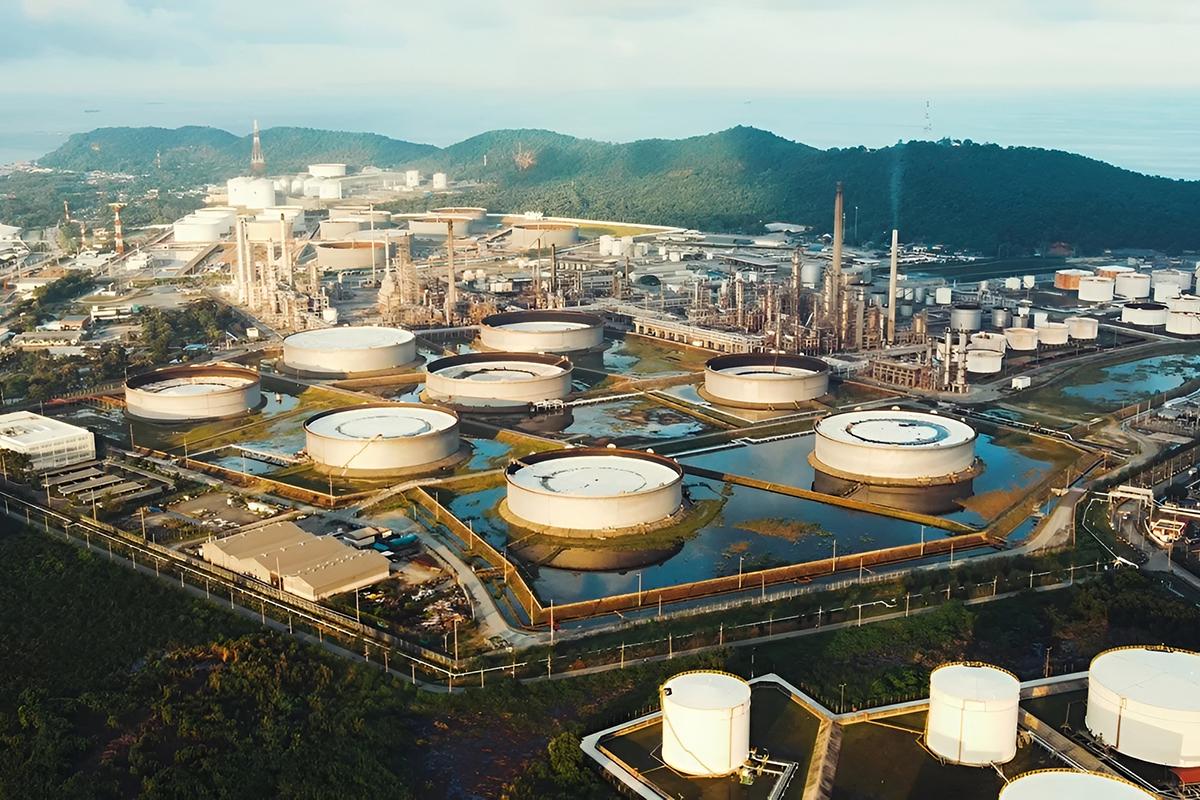
Hormuz Closure and Oil Flow
The Strait of Hormuz shipping disruptions have become a central business risk because the corridor’s narrow lanes and limited rerouting options can collapse commercial transit without a full physical blockade. An Anadolu Ajansı report said energy market experts warned the closure would inflict the greatest damage on Asian economies dependent on Gulf oil, citing International Energy Agency data that last year an average of 20 million barrels per day of crude oil and petroleum products passed through the strait.
The same Anadolu Ajansı account said the passage accounts for about 25 percent of the world’s seaborne oil trade and that any disruption would have broad ramifications for global oil markets. In parallel, the Discovery Alert article described the strait as measuring approximately 34 kilometres across at its narrowest navigable point and said vessels transit through a 3-kilometre-wide inbound lane and a matching outbound lane separated by a 3-kilometre buffer zone.
Prices, Rates, and Profits
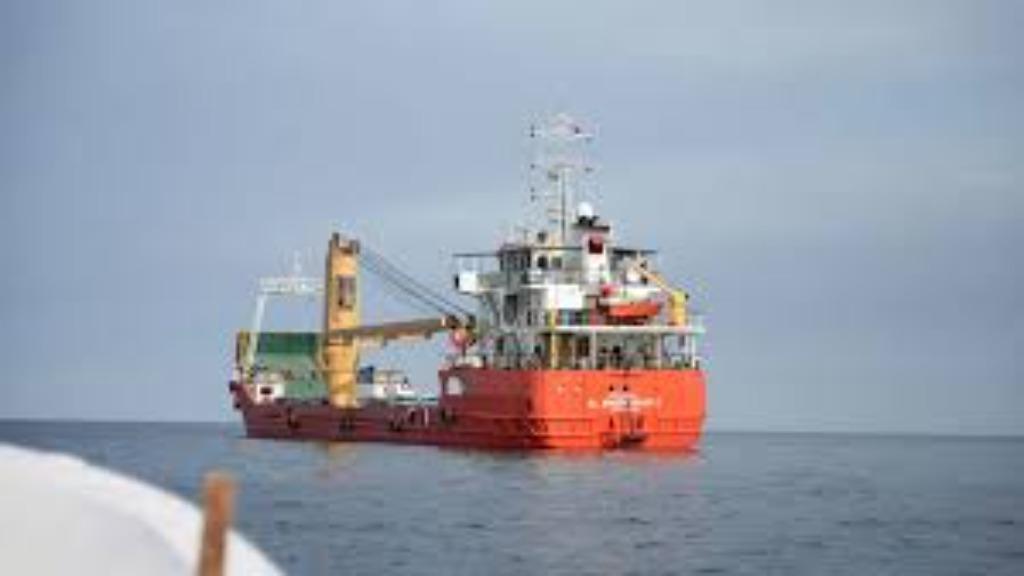
As the Strait of Hormuz closure pushed ship rates to record levels, a Bloomberg-sourced report in اقتصاد الشرق مع بلومبرغ said rates for giant tankers surged to record levels of $500,000 per day.
That same report said Sinokor Group moved at least six large empty tankers to the Arabian Gulf in the weeks leading up to the war, and then began leasing the ships at $500,000 per day for oil storage after exports through the strait were halted.

A director at Fearnleys Ship Brokers in London, Halvor Elvesen, told the outlet that “They have had a major impact. They controlled a large share of the fleet, raised the level of competition, and were sometimes able to push their prices to the end.”
An Anadolu Ajansı report also tied the business impact to price dynamics, saying Guido Cozzi warned that even a temporary outage could push Brent prices higher into double digits due to rising geopolitical risk and precautionary stockpiling.
Storage Deals and Capacity
With the Strait of Hormuz closed after the start of hostilities in late February, South China Morning Post reported that Saudi Arabia, Kuwait and the United Arab Emirates are among major oil producers seeking to use South Korea’s underground storage facilities. The South China Morning Post account said Yang told reporters last month that “Several countries have approached South Korea with inquiries and requests for consultations” about whether they can store crude oil at South Korean oil reserve bases.
It added that South Korea’s oil reserve bases have a combined capacity of 146 million barrels, built after the oil crises in 1973 and 1979 hit the country’s economy, according to the state-owned Korea National Oil Corporation. In a separate business-focused analysis, the Arabic-language report اقتصاد الشرق مع بلومبرغ described how storage-space demand after the closure of the Hormuz Strait helped Sinokor capitalize, while the Anadolu Ajansı report warned that alternative routes are limited and that disruption would ripple through global oil markets.