CMA CGM Group Ship Damaged in Strait of Hormuz Attack Amid Iran War Uncertainty
Key Takeaways
- Strait of Hormuz remains technically open, but shipping remains highly disrupted and risky.
- U.S. floated Project Freedom to guide ships, with talk of deploying carriers.
- Regional risk of confrontation and escalation in Hormuz persists.
Hormuz stays dangerous
Shipping firms are being “whipsawed” by uncertainty over how and when the Strait of Hormuz might reopen more than two months into the Iran war, with hundreds of vessels still stuck in the Persian Gulf and costs piling up.
“NEW YORK – With hundreds of vessels still stuck in the Persian Gulf and costs piling up, shipping companies are being whipsawed by uncertainty over how and when the Strait of Hormuz might reopen more than two months into the Iran war”
President Donald Trump announced “Project Freedom” to “guide” ships to exit the strait, but the effort was abruptly paused by Tuesday after two ships made the transit.

A cargo container ship operated by the CMA CGM Group was damaged when it came under attack while attempting to transit the strait, and Sean Pribyl said, “Ultimately, it’s still going to come back to the primary issues of risk and safety,”.
Before the Iran war, 100 to 135 vessels passed through the Strait of Hormuz daily, but the flow slowed to a trickle as Iran demanded a vetting process run by the Islamic Revolutionary Guard Corps for safe passage.
Insurance costs have shot up for vessels in the region, jumping from less than 1% of the value of goods on a ship to anywhere from 3% to 10% during the conflict, and Ed Anderson said, “Ferrying out a couple of ships has not really affected the shipping industry in any way whatsoever.”
Trump posture and talks
The State News Agency IRNA said Donald Trump, on Wednesday, February 11 (22 Bahman) before meeting Benjamin Netanyahu in Washington, told Axios he was considering sending another aircraft carrier to the region.
IRNA also reported Trump stressed that “one of our fleets is heading toward the region and another fleet may join it,” while noting he seeks a deal with Iran.

The same IRNA account tied the posture to last Friday’s Tehran–Washington negotiations in Oman described as very good, and said indirect talks between Tehran and Washington over Iran’s nuclear program have only recently revived after the twelve-day war.
Tabnak framed the broader confrontation as a Persian Gulf naval scenario, arguing that geography and shore-based systems would matter in any clash and describing a “mobile fortress” defense image that it says faces “particular challenges.”
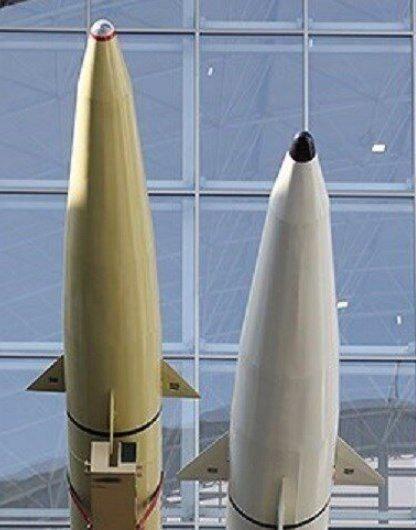
In that technical framing, Tabnak said missiles like Qasem Basir could complicate tracking by defense systems by changing course in the terminal phase, and it warned that defense systems might have only a few seconds to detect, lock on, and launch an interceptor.
Indian ships hit and stuck
In New Delhi, Anil Devli, chief executive of the Mumbai-based Indian National Shipowners’ Association, said the Strait of Hormuz is “technically open” but commercial shipping is far from normal.
“IRNA, the state-affiliated news agency, wrote that Donald Trump, the president of the United States, on Wednesday, February 11 (22 Bahman) before meeting Benjamin Netanyahu, the prime minister of the Israeli regime, in Washington, in an interview with Axios announced that he was considering sending another aircraft carrier to the region”
Devli said 14 Indian vessels are trapped in the chokepoint and that Indian ships earlier were hit by Iran’s Islamic Revolutionary Guard Corps, adding, “Technically, Hormuz is open. Vessels are transiting, but for commercial traffic, the risks are still immense,”.
He said neutral-flag vessels are transiting with Iran's tacit permission or US protection, but “normal traffic”, he said, has come to a halt, with moving vessels doing so on “borrowed time and borrowed trust.”
Devli described how two Indian-flagged vessels were fired on April 18 by IRGC boats—VLCC Sanmar Herald and bulk carrier Jag Arnav—and included a radio plea from the Sanmar Herald: “Sepah Navy! You gave clearance—I'm second on your list. You're firing now! Let me turn back!”
He said India facilitated movement of eight LPG vessels and that during the peak of hostilities last month, supplies, food deliveries and basic services for Indian seafarers and crew members were disrupted before stabilizing.
More on Iran
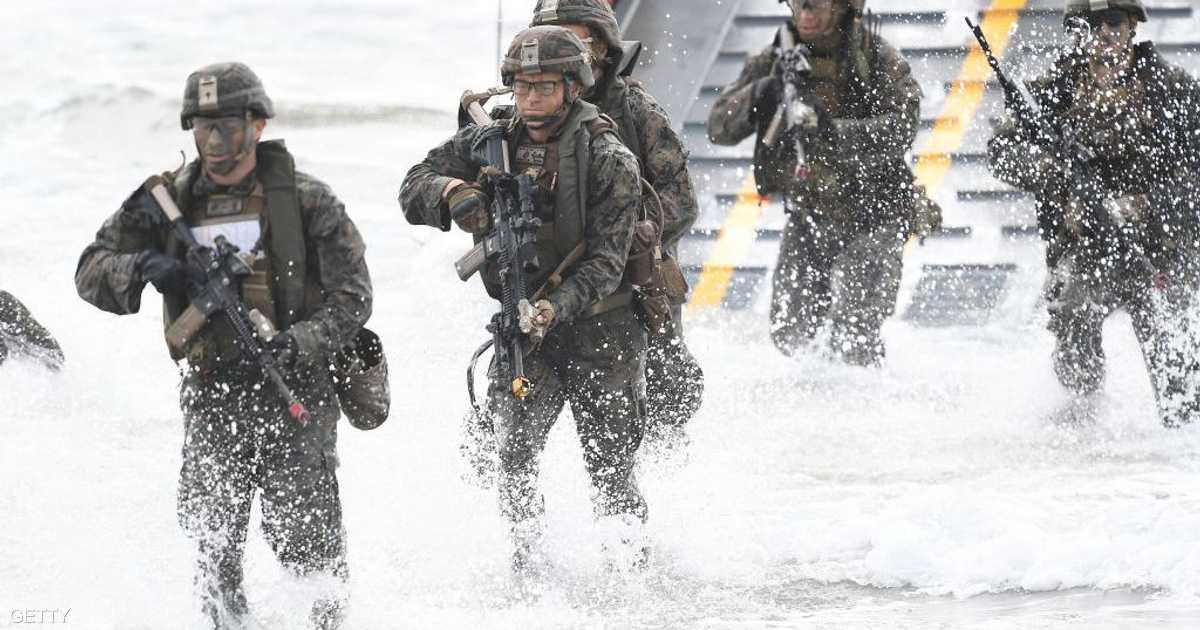
U.S. Fires on Iranian-Flagged Tankers in Strait of Hormuz After Exchanging Fire
11 sources compared
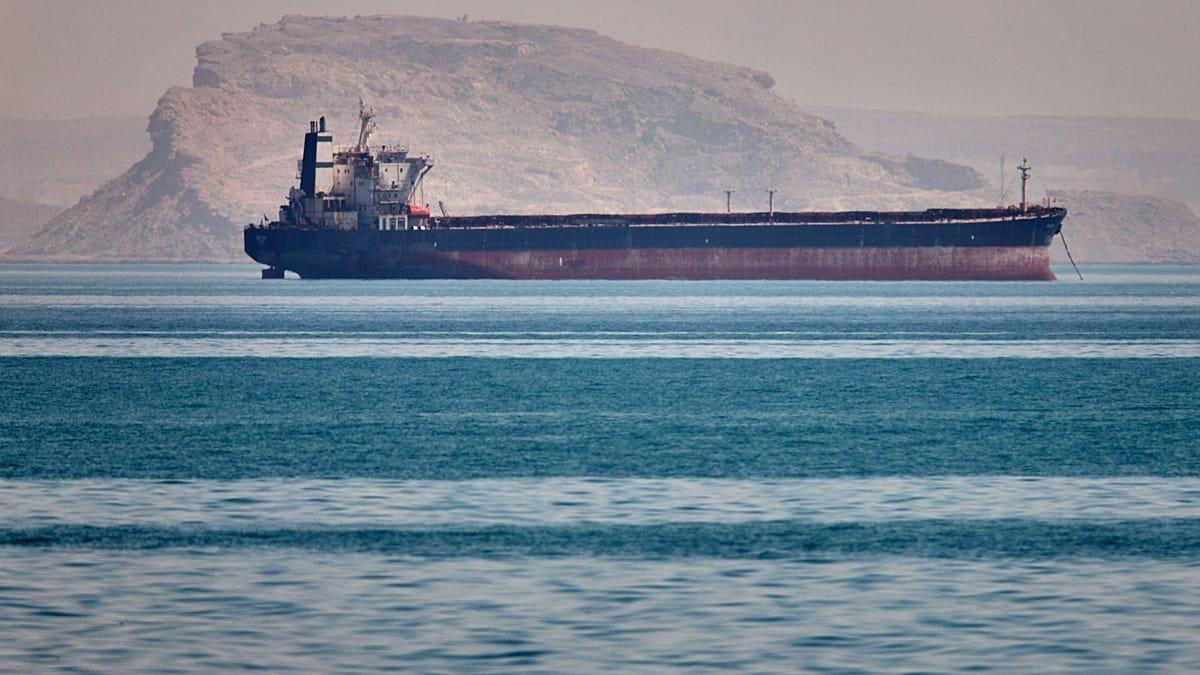
U.S. Fires on Two Iranian-Flagged Tankers Near Strait of Hormuz, Trump Expects Iran Response
17 sources compared
Iran Retaliates After U.S. Attacks Vessels Near Strait of Hormuz, Trump Warns Of More Strikes
18 sources compared
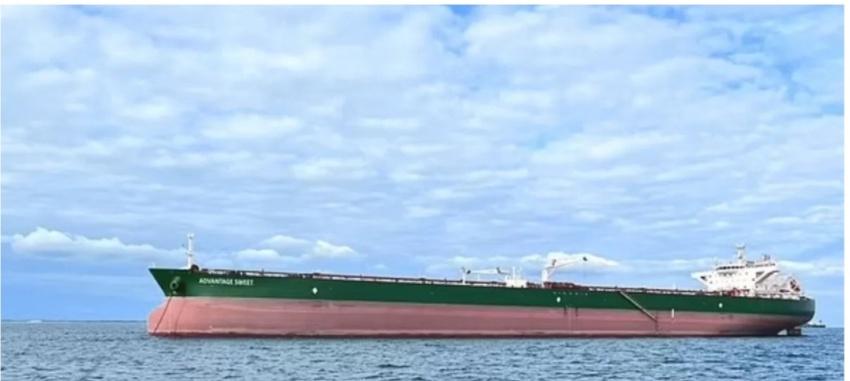
IRGC Navy Seizes Ocean Koi Tanker in Gulf of Oman, U.S. Disables Two Tankers
15 sources compared