CNN Satellite Analysis: Iran Reopens 50 Of 69 Tunnel Entrances At 18 Missile Facilities
Key Takeaways
- Iran reopened 50 of 69 tunnel entrances at 18 underground missile facilities, CNN says.
- Iran reportedly cleared tunnel entrances using bulldozers and dump trucks.
- Reopenings raise questions about the long-term effectiveness of crippling Iran's arsenal.
Tunnel entrances reopened
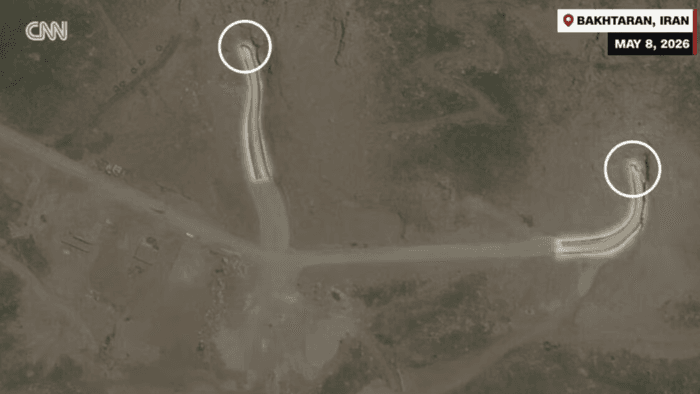
Satellite-image analysis cited by CNN says Iran has reopened 50 of 69 tunnel entrances at 18 underground missile facilities struck by the United States and Israel during the 2026 Iran war.
The CNN analysis described how, after the ceasefire, Iran used heavy equipment to expedite restoration work and how four of five entrances connecting to underground facilities were reopened at one missile base in Dezful.

The report also said buried tunnel entrances were restored at bases near Isfahan and Khomein, and that most of the roads damaged by bombings had been repaired.
Experts quoted in the CNN-based reporting said the restoration work highlights the limitations of the U.S. airstrike strategy, with Sam Lair saying, "Iran still maintains a sufficient missile stockpile."
Debate over bombing limits
CNN said Iran’s reopened underground missile sites show limits of the U.S. bombing plan, arguing that strikes that destroyed roads and buried tunnel entrances did not eliminate Iran’s ability to use the underground facilities.
In the CNN account, experts pointed to Iran’s use of “simple equipment such as bulldozers and dump trucks” to counter costly campaigns, and Sam Lair warned that Iran could keep launching missiles if it retains launchers and crews.

The CNN report also quoted Lair saying, "There’s nothing to prevent the launchers from being armed with the ample stockpile of missiles that the Iranians still have."
A separate CNN-based report in Gulf News similarly framed the recovery as a strategic failure of entombing and suppressing the missile force, quoting Sam Lair: "The US military is good at delivering tactical successes".
Ceasefire talks and risk
The reporting tied the restoration to ongoing ceasefire and negotiations, noting that Iran and the US have reached a tentative agreement to reopen the Strait of Hormuz while months of work remain to hammer out details.
“Satellite images revealed that Iran has so far managed to reopen 50 of the 69 tunnel entrances in 18 underground missile facilities targeted by the United States and Israel during the forty-day war”
CNN said that if hostilities do resume, Iran is in position to "continue launching missiles so long as they have launchers and crews, even if production has halted," linking the risk to the ability to operate underground arsenals.
The Times of Israel reported that Iran’s chief negotiator Mohammad Bagher Ghalibaf warned on Sunday that Tehran would not agree to any deal with Washington unless it fully secured Iranian rights, adding, "We will not approve any agreement until we are certain that the rights of the Iranian people have been upheld."
The Times of Israel also said Foreign Minister Abbas Araghchi told state media that talks and message exchanges with the US were ongoing, while warning, "we cannot judge the talks until we get to a clear result."
More on Iran
Trump Still Decides on U.S.-Iran Peace Agreement After Edits on Strait of Hormuz
10 sources compared

Iran President Masoud Pezeshkian Submits Resignation Letter Citing IRGC Control, Report
12 sources compared

Trump Demands Tougher Iran Deal Language, Presses Nuclear and Strait of Hormuz Changes
14 sources compared

US Congress Expands US-Israel Military Integration Through Section 224 Defense Bill
21 sources compared