Trump Still Decides on U.S.-Iran Peace Agreement After Edits on Strait of Hormuz
Key Takeaways
- Trump has not made a final decision on signing a U.S.-Iran deal.
- Negotiations focus on uranium enrichment, Strait of Hormuz, and frozen assets.
- Progress toward a ceasefire extension but gaps on Strait and uranium remain.
Edits, blockade, and talks
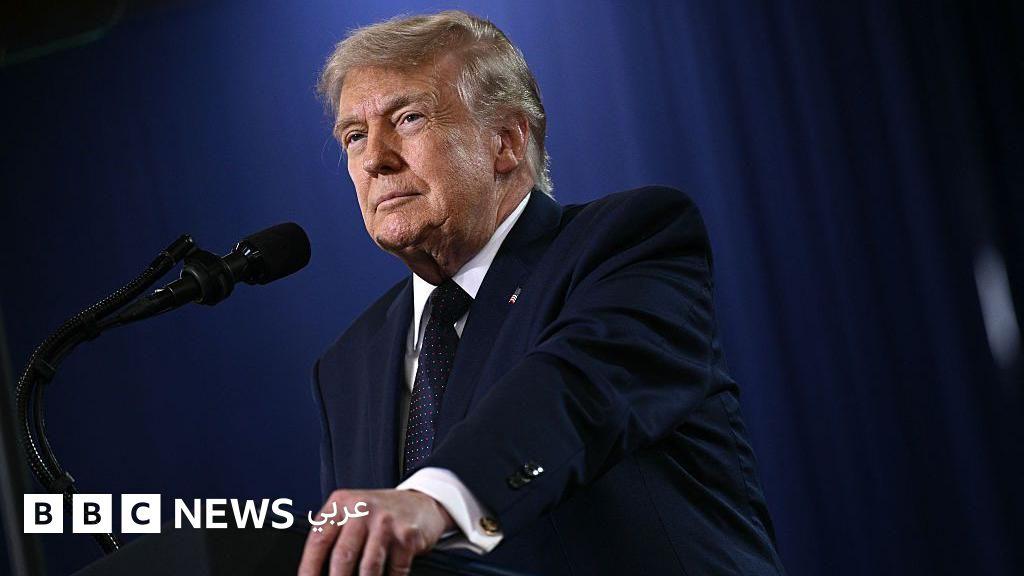
President Donald Trump was still deciding whether to sign off on a potential peace agreement with Iran as of Sunday afternoon, after he announced Friday he would make a "final determination" following a meeting in the White House Situation Room.
“Trump: Negotiations on the Iran deal have not been fully completed yet”
CBS News reported that Trump’s edits to a U.S.-Iran memorandum of understanding focused on the Strait of Hormuz and the removal of highly enriched uranium, and that the broad strokes included a 60-day cessation of violence.
CBS News also said the U.S. military disabled a merchant vessel in the Gulf of Oman by firing a Hellfire missile into the engine of a Gambian-flagged cargo vessel, after the vessel was allegedly trying to break through the American blockade of Iranian ports.
In parallel, mediators led by Pakistan were handling the back-and-forth between Washington and Tehran, while details of each exchange were limited and the White House did not respond to a request for comment.
Truth Social demands and delays
On Truth Social, Trump said the deal must see the Strait of Hormuz reopened and that Iran must work with the U.S. to have its highly enriched uranium "DESTROYED," while BBC reported that negotiations had not been fully completed yet.
BBC said Trump added that people should not listen to the losers who are criticizing something they do not fully know the truth about, and it quoted a senior American official saying the White House does not expect to reach a deal to end the war with Iran on Sunday.

The BBC account also said Tasnim News Agency reported that the United States continues to block some essential provisions in the potential agreement, especially those related to the release of Iranian assets frozen, keeping the possibility of the agreement collapsing or being canceled.
Separately, the جريدة الجزيرة report said a White House official announced Trump wrapped up a meeting billed as a final decision in the Situation Room that lasted about two hours, and it said Trump would not strike an agreement unless all of his conditions are met.
What’s at stake next
As talks continued, the جريدة الجزيرة report said Trump insisted Iran must agree that it will never possess a nuclear weapon or a nuclear bomb and that the Strait of Hormuz must be opened immediately with no fees for unrestricted navigation in both directions.
“A Look at Iran's Nuclear Program: The Main Point of Contention in Talks to End the Conflict (CNN) — U”
BBC said the agreement, if reached, would help avoid war escalation and ease pressures on global oil supplies, but it remained unclear whether it would lead to a permanent peace that also addresses Trump’s demands on the nuclear issue.
The CBS News report added that multiple sources told CBS the arrangement also involves the potential of waivers or sanctions relief to Iran that could allow it to access billions in frozen assets depending on the progress of the diplomacy.
Meanwhile, the Mehr News Agency report quoted Foreign Minister Abbas Araghchi in Tehran saying, "Exchange of messages continues," and warning that until the talks reach a conclusion, "All current speculations are insignificant and should not be paid attention to."
More on Iran

Iran President Masoud Pezeshkian Submits Resignation Letter Citing IRGC Control, Report
12 sources compared

Trump Demands Tougher Iran Deal Language, Presses Nuclear and Strait of Hormuz Changes
14 sources compared

US Congress Expands US-Israel Military Integration Through Section 224 Defense Bill
21 sources compared
Pete Hegseth Threatens To Restart US Strikes Against Iran If No Deal Reached
10 sources compared