Iran30 May, 20262 min read
Pete Hegseth Threatens To Restart US Strikes Against Iran If No Deal Reached
This article is an automated aggregation of coverage from news outlets. Our editorials offer in-depth analysis curated by the NewsCord team.
Hegseth said US is more than capable of resuming strikes on Iran if no deal. Spoke at Shangri-La defense conference in Singapore amid ongoing Iran negotiations.
DW was read line by line by the Watchdog: 4.8. See the score →
Restart Threat After No Deal
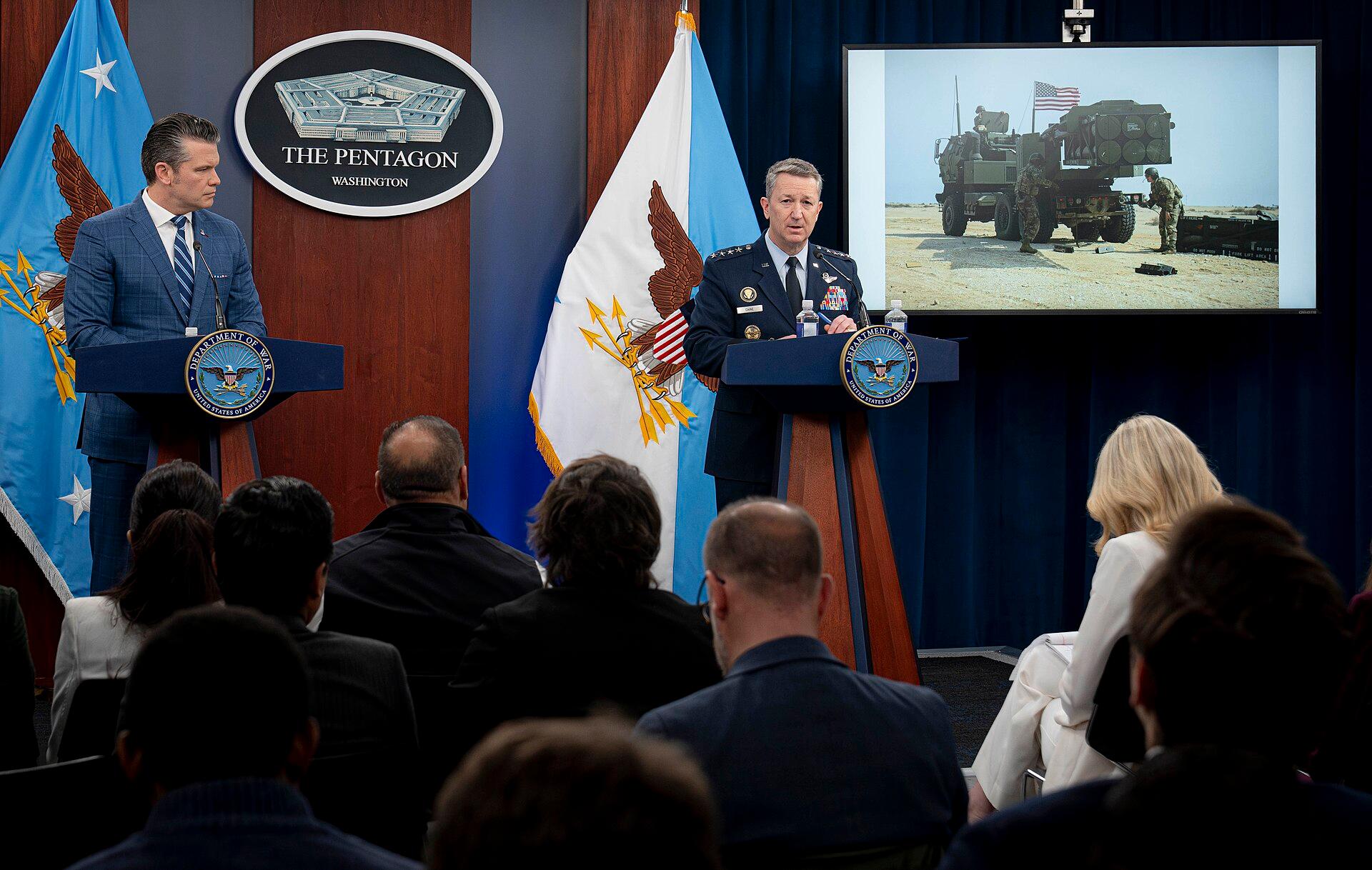
US Defense Secretary Pete Hegseth said the United States is “more than capable” of restarting military strikes against Iran if a deal is not reached, delivering the threat during remarks at the 23rd IISS Shangri-La Dialogue in Singapore on Friday. Hegseth tied the ultimatum to Iran’s nuclear program, saying, “If Iran doesn’t want to make a great deal that ensures they don’t get a nuclear weapon, they can deal with” the US military.
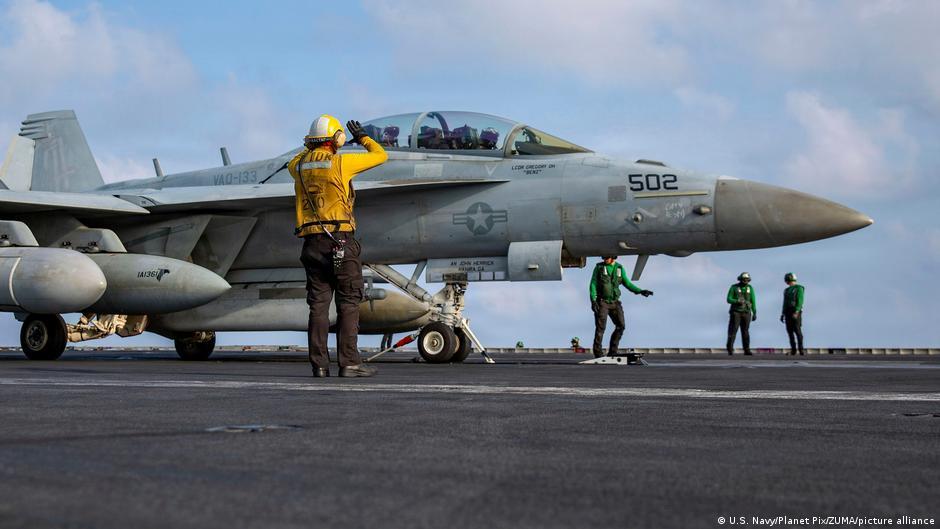
The warning came hours after President Trump’s Situation Room meeting on the Iran memorandum of understanding ended without a decision, with the meeting lasting approximately two hours and no announcement following. Hegseth also confirmed the US naval blockade ordered on April 13 remains “very much still in place,” contradicting Trump’s own Truth Social post from the same day suggesting ships “may start the process of heading home.”
Trump’s Red Lines, Iran’s Pushback
Trump’s conditions for any agreement were described by a US official as requiring that “Iran can never possess a nuclear weapon,” while the US president also said Iran must end its chokehold on the Strait of Hormuz and dismantle its capacity to make a nuclear weapon. In a Truth Social post, Trump wrote, “The Hormuz Strait must be immediately open, no tolls, for unrestricted shipping traffic, in both directions,” as part of demands that also included removing or destroying remaining naval mines.
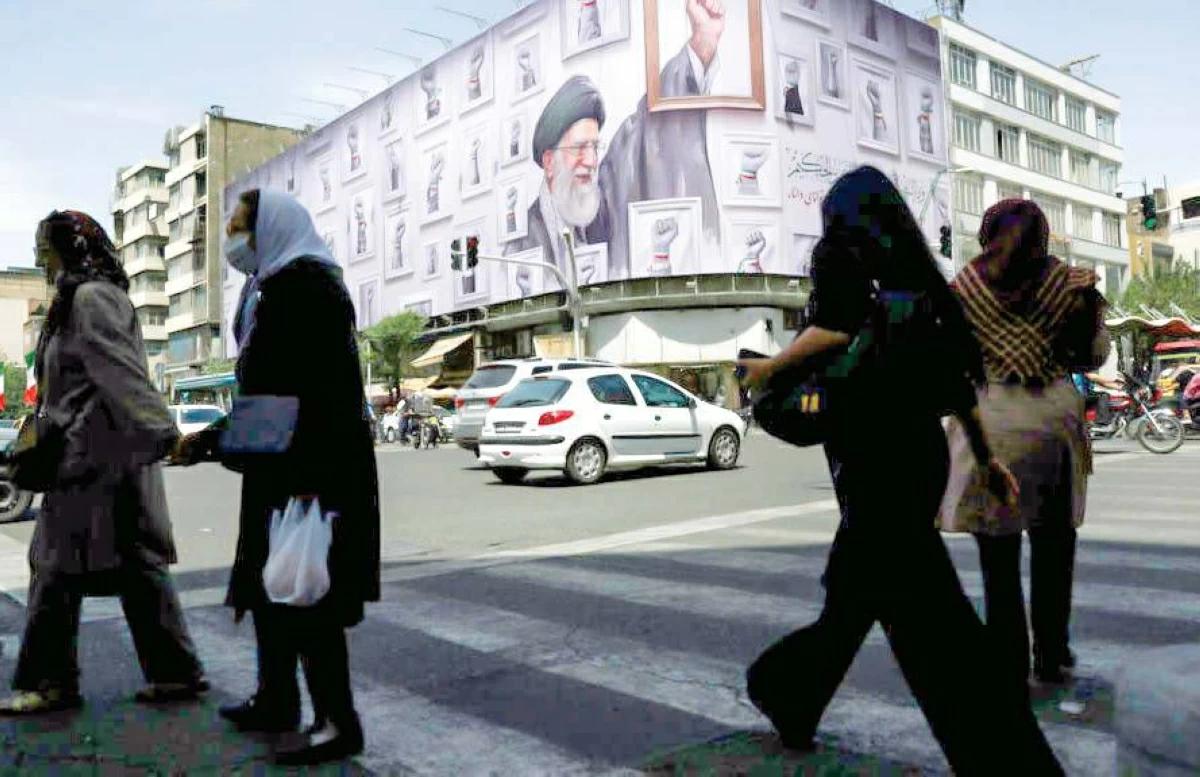
Iran’s Foreign Ministry spokesman Esmaeil Baghaei rejected the language of US demands, telling state media that Tehran “said goodbye to the language of ‘must’ 47 years ago,” while also saying “no final agreement has been reached yet.” The standoff extended to the blockade itself, with Baghaei criticizing the US naval blockade imposed on Iranian ports as illegal and inconsistent with ceasefire arrangements, even as US military pressure continued around the Strait of Hormuz.
Blockade Enforcement and Regional Risks
While Hegseth threatened renewed strikes, Radio Free Europe/Radio Liberty reported that US Central Command disabled a Gambia-flagged ship attempting to sail to an Iranian port, saying “A US aircraft disabled the vessel by firing a Hellfire missile into the ship's engine room.” The same CENTCOM statement said US forces issued “more than 20 warnings before taking military action,” and that they disabled five commercial ships and redirected more than a hundred others to enforce the blockade while a cease-fire with Iran remains in effect.
In the Strait of Hormuz, Oman warned mariners to exercise caution after a floating object believed to be a naval mine was observed west of a coastal shipping route, urging fishermen, ships, and other sailors to keep a safe distance from suspicious objects. The diplomatic and military pressure also fed into the broader negotiation timeline, with the Arab Weekly describing that President Trump made no decision after a two-hour Situation Room meeting and that the Pentagon threatened to unleash a new wave of attacks on Iran if no deal can be reached.