Full story
Hormuz fee reversed
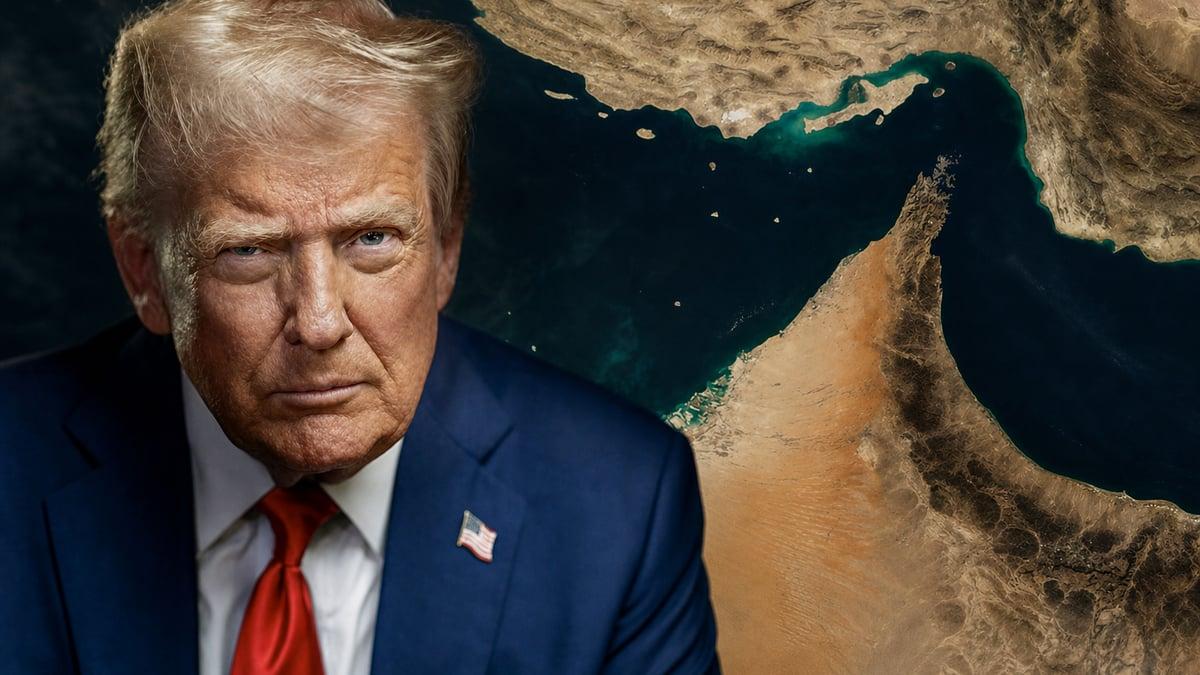
U.S. President Donald Trump dropped his proposal to impose a 20 percent “reimbursement” fee on cargo shipped through the Strait of Hormuz, saying he would replace it with “Trade and Investment Deals” with Gulf states.
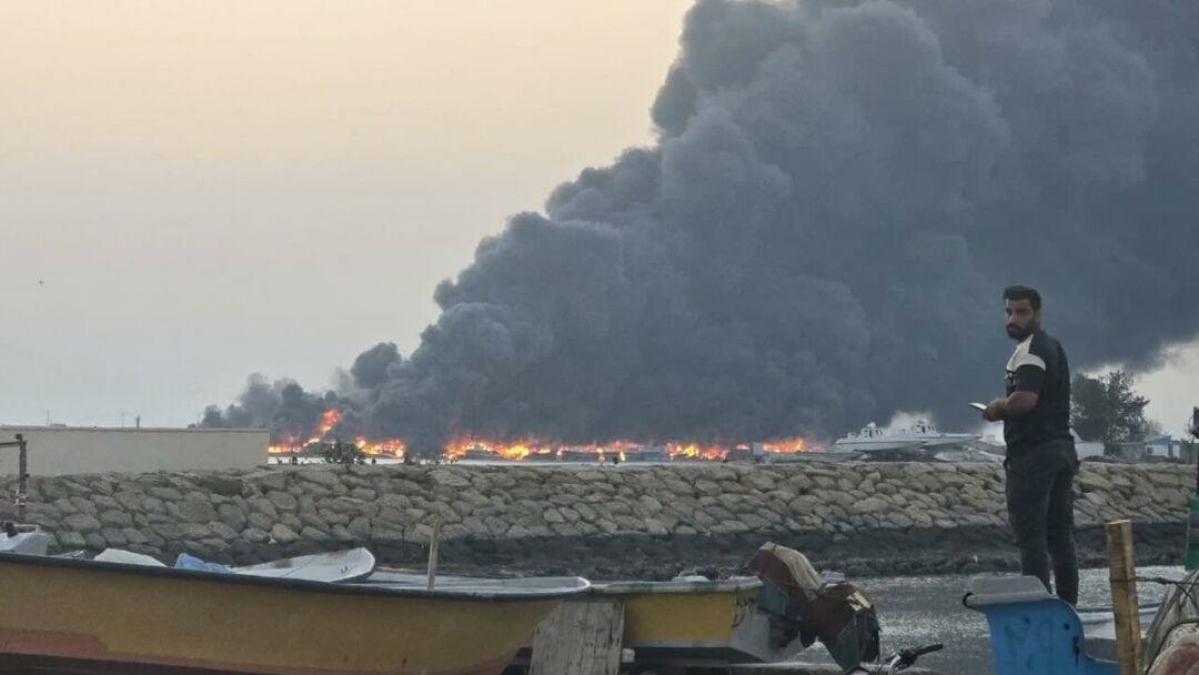
“Escalating developments in the Middle East intensified on Monday evening, July 13, 2026, after a fresh exchange of strikes between the United States and Iran, and the Strait of Hormuz returning to the center of the confrontation, synchronized with an attack on the runway at Sana'a International Airport and the Houthi movement threatening to respond”
Trump made the change in a Truth Social post, writing, “Based on highly productive conversations with Middle East leadership, I have decided to replace the 20 percent United States Reimbursement Fee with Trade and Investment Deals that the various Gulf States will be making into the United States,” and the reversal came as the U.S. resumed a naval blockade of Iranian ports.
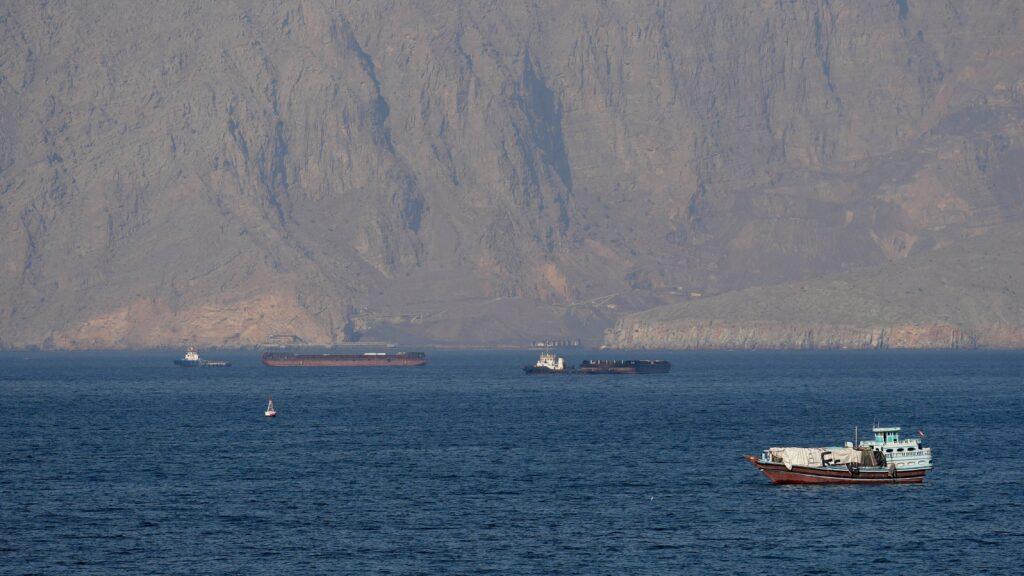
The U.S. blockade was set to start at 4 p.m., and U.S. Central Command said it had deployed more than 20 warships and hundreds of military aircraft operating across the Middle East.
Ahead of the blockade, Centcom forces began launching another round of strikes against Iran to degrade Iranian capabilities used to attack commercial shipping in the Strait of Hormuz.
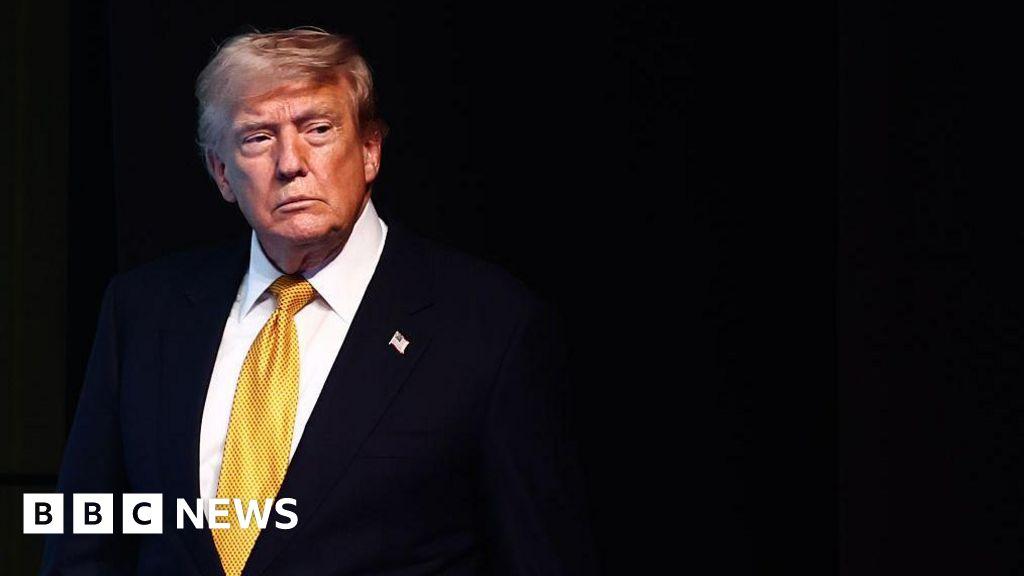
In parallel, the BBC reported that Trump’s demand lasted “all of 24 hours” before he abandoned the fee and offered “trade and investment deals” instead.
Competing legal and diplomatic claims
As Trump’s fee plan was debated, U.S. Secretary of State Marco Rubio was cited saying, “No country is allowed to charge tolls or fees on an international waterway,” and the BBC described the U.S.-Iran memorandum of understanding as having “died at 10:16 ET (16:16 BST) on Tuesday.”
The BBC also quoted Rosemary Kelanid, Director of the Middle East program at Defense Priorities, saying, “This has turned into a war of attrition, and wars of attrition tend to go on for a long, long period of time.”
Iran’s position was presented through remarks by Foreign Minister Abbas Araghchi, who wrote on X, “POTUS is absolutely right. Whoever provides secure and safe passage of commercial vessels through the Strait of Hormuz should be compensated for this service,” while adding, “20% is of course too much. We will be fair.”
The Times of India reported Araghchi’s mocking response to Trump’s “guardian of Hormuz” claim, including his statement that “Iran has always been the GUARDIAN of the Strait and will remain so FOREVER.”
In the same reporting stream, the UN shipping agency’s stance was described as opposing fees for passage through straits used for international navigation, with CNBC noting the International Maritime Organization said there was “no legal basis through which to introduce mandatory tolls simply to transit through a strait.”
What the blockade means next
With the fee proposal dropped, the U.S. moved to enforce the renewed blockade, and the Korea JoongAng Daily said the U.S. had reimposed the naval blockade of Iranian ports starting at 4 p.m. after lifting it under an interim peace agreement with Tehran.
“President Donald Trump on Tuesday reversed course on his earlier proposal for the US to levy a 20% fee on all cargo flowing through the Strait of Hormuz”
The BBC described how the Iranians countered by stepping up attacks on U.S. allies and commercial shipping, “grinding traffic through the Strait of Hormuz to a near standstill once more,” and it said Iran could still deny access to the strait.
Radio Free Europe/Radio Liberty reported that Saudi Arabia’s Foreign Ministry expressed “strong condemnation” of Iran’s attacks on Arab countries and held Tehran “responsible for the consequences of continuing these cruel attacks.”
RFE/RL also said the U.S. Treasury announced moves targeting Mohammad Hossein Shamkhani, calling him a “major force” behind Tehran’s oil exports, and it described the action as shutting down “the financial infrastructure that allows the regime to continue its threats to U.S. national security and global shipping.”
In the background of the escalating pressure, the Times of India added that Iran’s Persian Gulf Strait Authority said passage through the Strait of Hormuz was “currently unfeasible” due to “hostile actions by US forces,” while warning that the “sole means of obtaining a passage permit is via our website.”