Full story
Retaliation in the Gulf
Iran launched retaliatory attacks on Bahrain and Jordan on Tuesday, targeting American military assets in the region as the US reportedly carried out an hours-long assault against the Islamic Republic.
“Toggle Play Sirens blare in Bahrain as Iran launches barrage of missiles, drones Iranian state media is reporting that Tehran has targeted a US naval support base in Bahrain’s capital and Sheikh Isa Air Base off the southern coast”
The IRGC-affiliated Fars News Agency said Tehran’s attack on Bahrain targeted the US Navy’s Fifth Fleet, allegedly setting fire to fuel storage facilities and destroying a Patriot air defense radar, while also damaging the Fifth Fleet’s air surveillance radar and an early warning radar system.

The strikes in Jordan targeted “key facilities and positions hosting US forces at an air base in Jordan that had been used to conduct attacks against Iran,” according to the same Fars News Agency account.
Both nations said they intercepted multiple Iranian missile strikes on Tuesday, slamming the attacks as a “flagrant violation of international humanitarian law.”
Missiles intercepted, claims clash
The Islamic Revolutionary Guard Corps claimed to have targeted U.S. facilities at an airbase in Jordan using ballistic missiles, but the Jordanian military announced it intercepted and destroyed four missiles that entered the country’s airspace from Iranian territory.
IranWire reported that the IRGC announced in its “Statement No. 7” that it carried out a missile and drone attack on the “satellite communications center and the housing facility of U.S. forces” at Bahrain’s Juffair base.

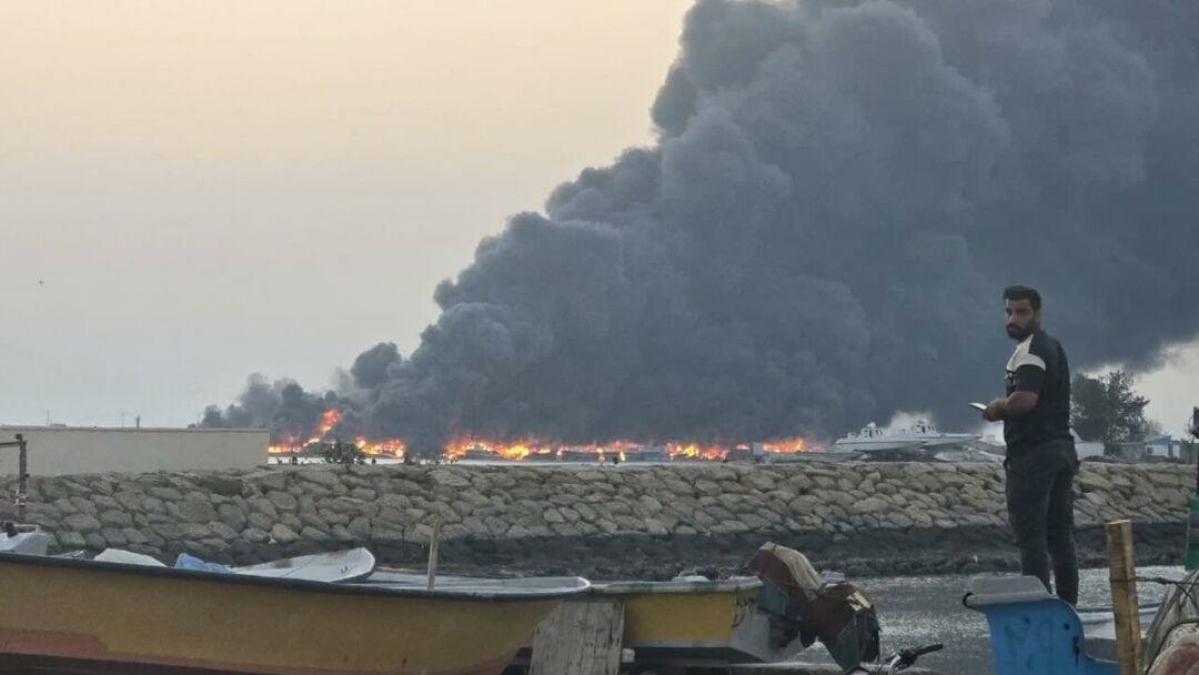
IranWire also said the IRGC Public Relations Division released its eighth statement claiming that, during the “second phase of the second wave of Operation Nasr-2,” the IRGC’s naval and aerospace forces targeted the U.S. Navy’s Fifth Fleet in Bahrain and set fuel depots on fire.
In Bahrain, CNN Arabic quoted a statement from the Bahraini Army saying the Bahrain Defence Force air defenses were able to intercept and destroy three missiles and a number of drones, while also calling the attacks a “flagrant violation of international humanitarian law.”
Ships, chokepoint, and escalation
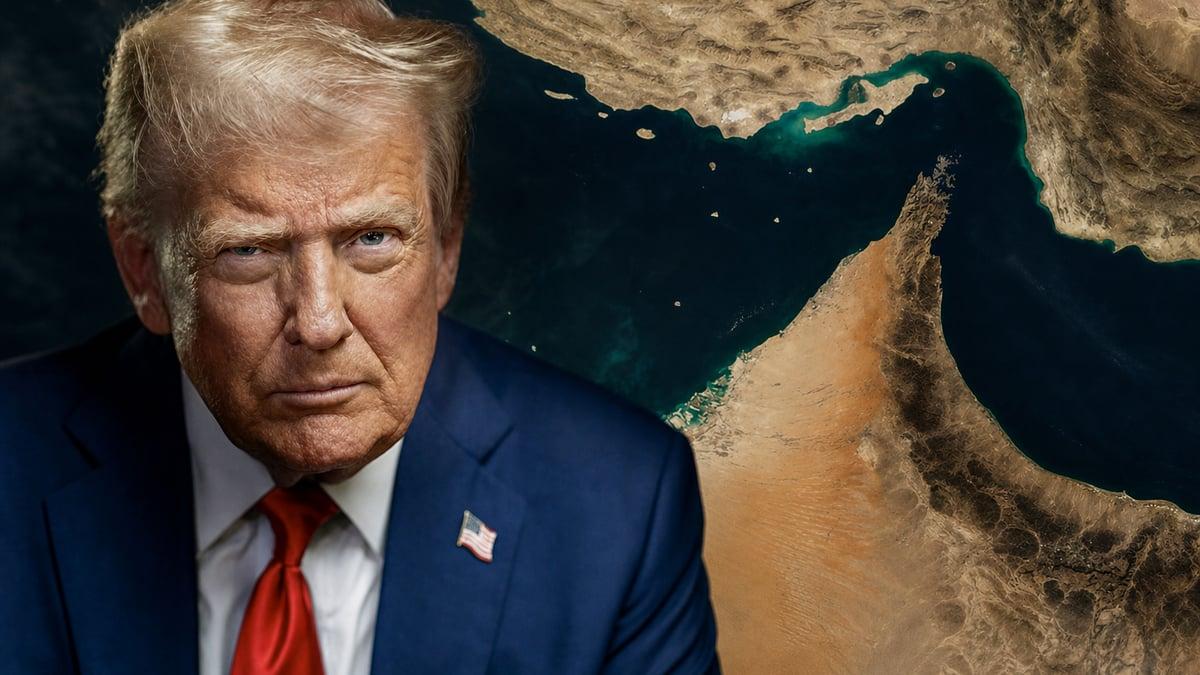
Iran and the US continued trading attacks in the region as Tehran aimed to keep its hold over the Strait of Hormuz, a key oil chokepoint that oversees 20% of the world’s oil transports, according to the New York Post.
The New York Post said the renewed fighting caused the trickle of ships getting through the strait to plummet to the lowest figures in more than a month, with only 10 ships getting through on Monday, and it reported that half of the boats that got through were Iranian sanctioned ships.
IranWire said the IRGC claimed responsibility for targeting several commercial ships and tankers in the Strait of Hormuz and declared the strategic waterway closed “until further notice.”
In parallel, the New York Post reported that the US military was set to escort ships carrying oil and other commercial goods out of the strait without imposing a toll, after President Trump talked with America’s Gulf partners alarmed by his initial proposal for a 20% fee.