Full story
Fee Dropped, Strikes Continue
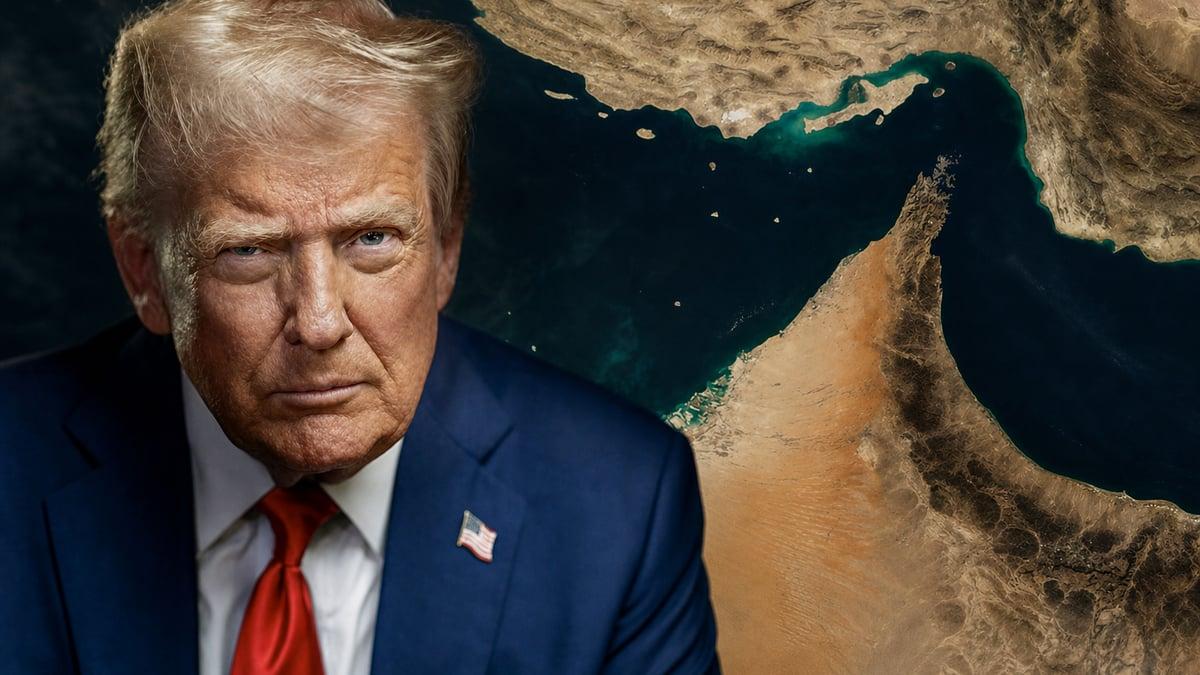
President Donald Trump backed away from a proposed 20% transit fee on cargo moving through the Strait of Hormuz, saying it would be replaced by “Trade and Investment Deals” with Gulf states as the U.S. intensified pressure on Iran by resuming a shipping blockade and launching new military strikes.
Brent crude settled nearly 2% higher at $84.73/bbl, its highest level in about a month, as traders priced in geopolitical risk even after the White House withdrew the proposed transit charge.

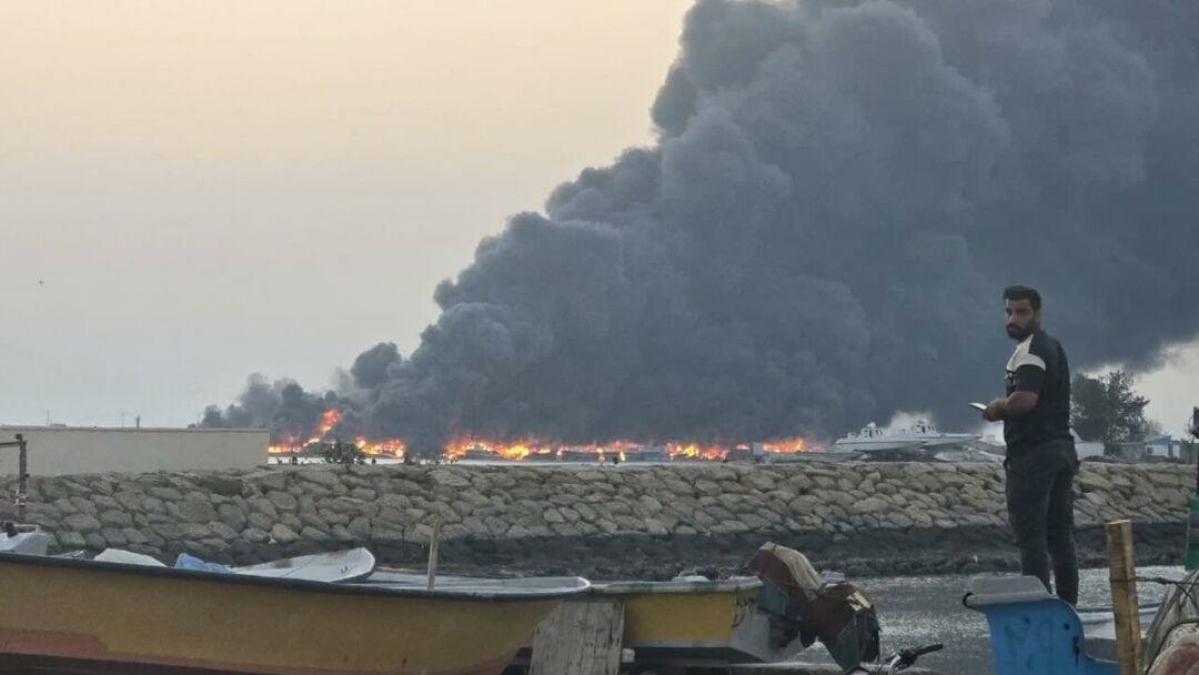
The U.S. resumed its blockade of Iranian shipping to and from the country’s ports and coastal areas effective Tuesday afternoon, while American forces carried out a fresh wave of strikes on Iranian targets intended to reduce Tehran’s ability to threaten commercial shipping through the waterway.
Trump said he changed course after discussions with representatives from Saudi Arabia, Qatar, Bahrain, Kuwait and the United Arab Emirates, and he told reporters, “I don't like the concept of a fee.”
In parallel, Al Jazeera reported that Trump’s reversal came just a day after he announced the 20% fee as fighting between the US and Iran continued to escalate.
Legal Pushback and UN Stance
As the U.S. floated protection-for-payment language, the International Maritime Organization said it opposed transit fees in the Strait of Hormuz, stating, “There is no legal basis through which to introduce mandatory tolls simply to transit through a strait.”
Legal experts and shipping analysts also warned that the proposal could violate international maritime rules, with CBS News quoting RUSI Europe think tank research fellow Petras Katinas saying it would be “opening a very dangerous Pandora's Box.”

CBS News described how the fee would have been calculated as unclear, with John McCown of the Center for Maritime Strategy asking, “Is it 20% of what our cost on the blockade is, somehow divided by the number of ships?”
The same CBS News report said Lloyd's List editor Richard Meade argued that “Whether the going rate is $200 or $20m, there is no legal basis for charging vessels to exercise their right of transit passage through an international strait.”
Even after Trump’s about-face, the dispute over fees and freedom of navigation remained central, with CNBC also citing the IMO’s stance that it “stands firmly against charging fees for passage through straits used for international navigation.”
What’s at Risk Next
While Trump said the fee was “off the table,” the sources tied the policy shift to ongoing military pressure and the risk of further disruptions to the world’s energy transit corridor, with World Oil noting uncertainty over future policy as tensions between Washington and Tehran continue.
The Honolulu Star-Advertiser reported that Trump stepped back from the 20% fee plan as U.S. and Iran attacks continued, and it said the U.N. shipping agency opposed any fees for straits used in international navigation and said there was “no legal basis for introducing mandatory tolls on strait transits.”
Al Jazeera added that the preliminary memorandum of understanding signed in mid June had aimed to end fighting and open the Strait of Hormuz, but it said the arrangement was “thrown into peril amid the latest bout of attacks.”
In parallel, the Express Tribune said Iran’s Foreign Minister Abbas Araghchi told X, “POTUS (president of the US) is absolutely right,” and argued, “Iran has always been the guardian of the strait and will remain so forever,” keeping the dispute over who should be compensated for passage in focus.
CBS News also warned that even if the U.S. offered protection, insurers and shippers could still refuse to use the route if security risks were deemed too high, leaving the practical stakes for commercial shipping unresolved.