USA23 July, 20263 min read
House Passes H.R. 8800 NDAA Despite Rep. Thomas Massie Warning on Section 219
This article is an automated aggregation of coverage from news outlets. Our editorials offer in-depth analysis curated by the NewsCord team.
House passes 2027 NDAA with Section 219 to expand US-Israel defense tech cooperation. Vote was narrow, 216-212, largely along party lines; some Democrats supported.
The Jerusalem Post was read line by line by the Watchdog: 3.9. See the score →
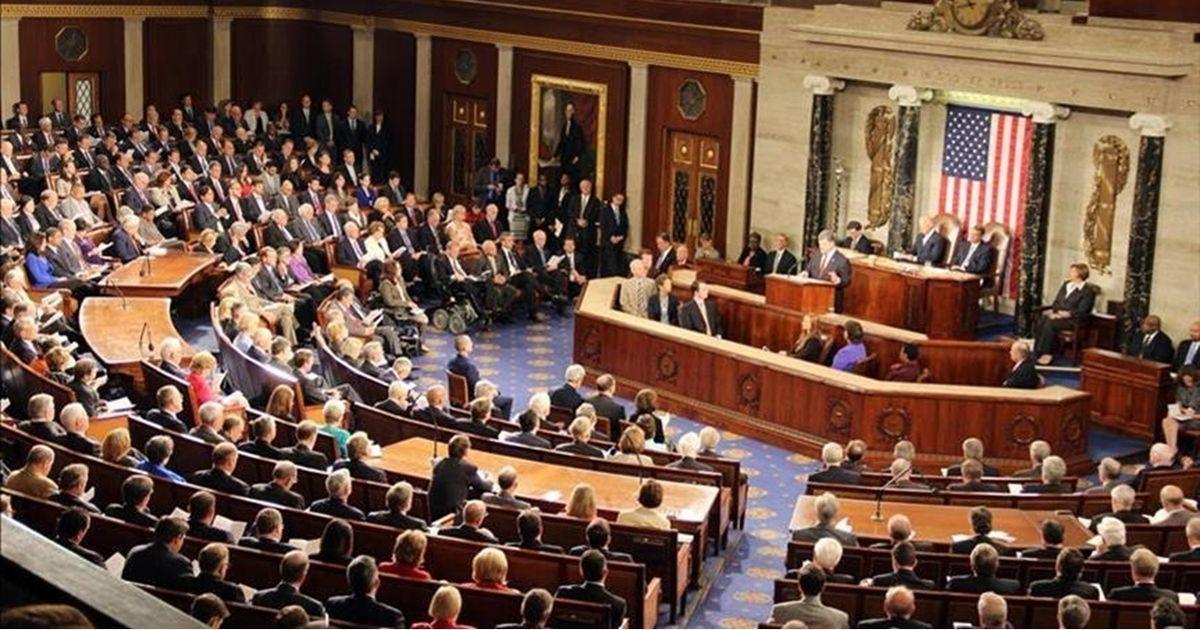
House Passes NDAA
The U.S. House of Representatives passed the fiscal year 2027 National Defense Authorization Act on Wednesday, approving H.R. 8800 by a 216-212 vote after a bipartisan revolt over a provision expanding U.S.-Israel defense technology cooperation.
Fox News said the bill passed 216-212 and that opposition centered on Section 219, which would direct the war secretary to designate a Pentagon "executive agent" to coordinate and accelerate bilateral defense research, testing and industrial cooperation.

Legis1 reported that the House approved H.R. 8800 on Roll Call 278 by a vote of 216-212, with Republicans voting 209-7 in favor and Democrats voting 6-205 in favor.
The Intercept described Section 219 as creating a permanent initiative to merge U.S. and Israeli defense tech, and said lawmakers were denied a separate vote to remove it.
The Intercept also reported that Rep. Thomas Massie, R-Ky., said codifying the integration of military technology and supply chains with Israel was dangerous, while the House still passed the NDAA.
Fights, Quotes, Blocked Votes
Rep. Alexandria Ocasio-Cortez, D-N.Y., urged lawmakers to reject the entire defense bill, writing on X that the provision would "merge parts of our military with the IDF," and that "Every member of Congress must vote NO."
In response, Rep. Mike Lawler, R-N.Y., shot back on X, saying, "Stop stoking Jew hatred and do better," as he argued the House was not merging U.S. and Israeli militaries.

The Intercept said Massie was joined by Reps. Josh Brecheen of Oklahoma, Tim Burchett of Tennessee, Eli Crane of Arizona, Harriet Hageman of Wyoming, Anna Paulina Luna of Florida, and Chip Roy of Texas in voting against the NDAA.
Legis1 reported that Massie and Ro Khanna introduced a bipartisan amendment to strike Section 219, but the House Rules Committee prevented the House from debating or voting on the proposal.
The Intercept added that Massie and Khanna later led an amendment to strike Section 219, but it was not made eligible for floor consideration, while Luna’s separate attempt was also denied a vote.
Senate Fate and Stakes
The bill now heads to the Senate, where its future is uncertain, after the House passed the NDAA with Section 219 intact and after Senate Democrats previously blocked debate citing objections to President Donald Trump’s military actions in Iran and provisions for increased U.S.-Israel defense cooperation.
WBZ NewsRadio 1030 said the Senate vote failed to advance the bill with a 50-46 vote, short of the 60 needed, and described Section 219 as expanding U.S.-Israel military collaboration.
The Intercept said House passage does not make Section 219 law and that the Senate’s version of the NDAA, which has yet to pass, contains its own version of the defense technology initiative, leaving the proposal’s ultimate fate dependent on further Senate action and negotiations between the chambers.
In a separate warning, the القدس العربي said critics warned the provisions could lead to deeper integration between the two military systems, making it harder for any future president or Congress to adjust the relationship.
The القدس العربي also said Sen. Bernie Sanders urged lawmakers to oppose the defense bill, arguing it brings the U.S. and Israeli militaries even closer together, while the NDAA is set to move to the Senate for debate before a final conference agreement.