USA · 01 August, 2026 · 3 min read
Gen. Alexus Grynkewich Warns Pentagon U.S. Naval Forces Can’t Defend Israel From Iran
Gen. Grynkewich warned Pentagon naval forces are insufficient to defend Israel from Iranian missiles. Without an additional destroyer, the U.S. would have to choose between homeland defense and Israel.
Grynkewich resource shortage framing: routine risk notice vs strategic alarm.
28outlets compared
Same story, two versions
tap a side to read it in full
RBC-Ukraine
“Such requests are common when commanders compete for limited military resources and weapons.”Read the original ↗
Defence Security Asia
“turns a visible readiness problem into an explicit strategic choice”Read the original ↗
RBC-Ukraine (Local Western) and Defence Security Asia (Asian) give conflicting accounts of Grynkewich resource shortage…
Grynkewich flags shortage
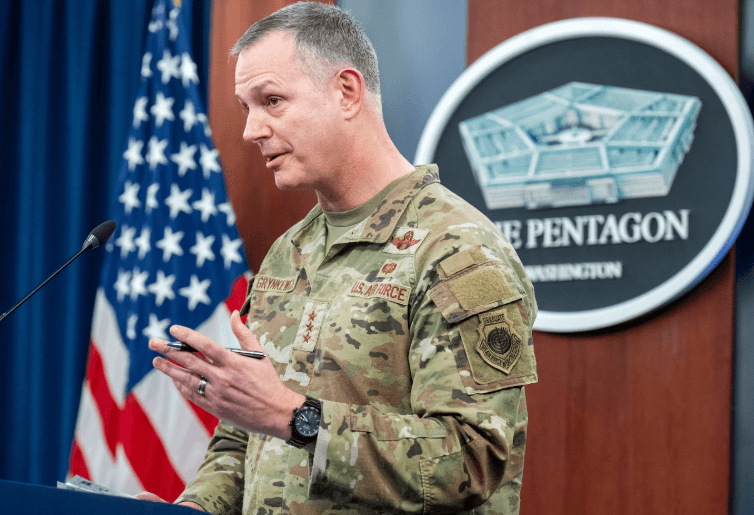
Gen. Alexus Grynkewich, head of U.S. European Command, privately warned the Pentagon that it lacks sufficient naval forces to continue protecting Israel from incoming ballistic missiles from Iran, according to The Washington Post.
“As of Friday, July 31, two destroyers—USS Paul Ignatius and USS Roosevelt—were operating in the Mediterranean Sea”
The warning was tied to the five-month conflict after peace talks between Washington and Tehran collapsed, with near-daily attacks resuming and the U.S. Navy “particularly strained,” as the Trump administration ordered a blockade of Iranian ports following Tehran’s closure of the Strait of Hormuz.

The reporting says U.S. destroyers stationed in the eastern Mediterranean have helped defend Israel for years, and that the European Command must also keep forces ready to respond to any potential Russian attack on NATO territory.
As of Friday, July 31, two destroyers—USS Paul Ignatius and USS Roosevelt—were operating in the Mediterranean Sea, while three others—USS Arleigh Burke, USS Bulkeley, and USS Oscar Austin—were in Rota.
A U.S. defense official told the outlet that Grynkewich’s request is consistent with previous appeals made to the Pentagon by other senior military commanders, describing such outreach as common when commanders compete for limited military resources and weapons.
Homeland vs Israel choice
Multiple outlets tied Grynkewich’s message to a choice between defending the United States and defending Israel, with the Washington Examiner describing that “without another Navy destroyer” he would be forced to prioritize defense of the United States over Israel.
The Anadolu Ajansı report similarly said Grynkewich told senior Pentagon officials that “without another Navy destroyer, he would have to prioritize defense of the US “homeland” over Israel,” as the five-month conflict intensifies after peace talks between Washington and Tehran collapsed.
The Washington Examiner also said the alleged warning came as the Trump administration expended significant naval resources in response to chaos in the Strait of Hormuz, and it described the U.S. destroyers deployed in the Mediterranean as having played a role in helping fend off attacks on Israel.
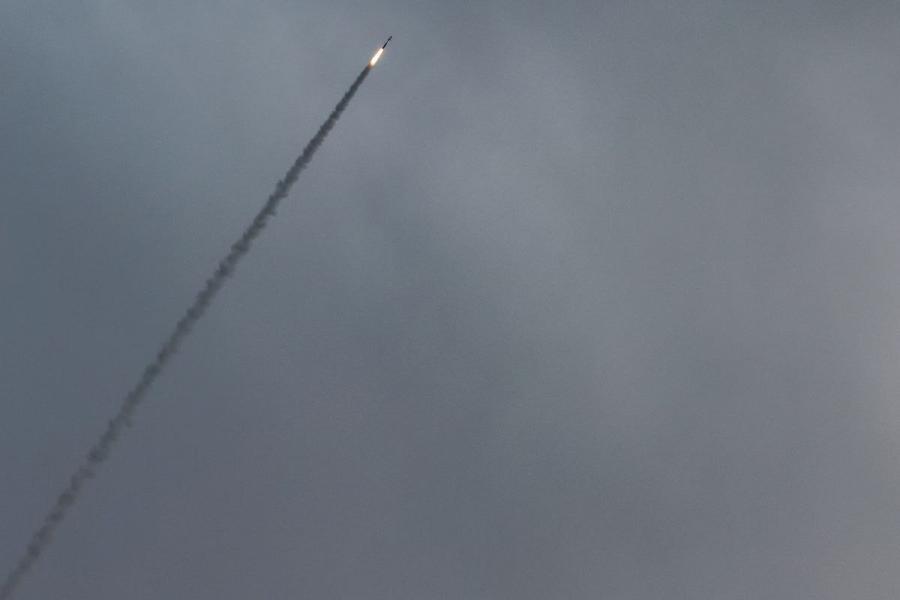
An additional detail in the RBC-Ukraine | Local Western account said U.S. destroyers were equipped with powerful radar systems and had intercepted missiles launched at Israel by Iran and the Iran-backed Houthi movement in Yemen.R
The Alternet piece added that the European Command is responsible for coordinating all “military operations in the Mediterranean [Sea],” framing Grynkewich’s warning as illustrating how the Iran war imposed constraints on the military.
Readiness and deterrence
The reporting describes the operational strain as extending beyond the eastern Mediterranean, with RBC-Ukraine | Local Western saying two additional U.S. warships were deployed in the Arabian Sea closer to Iran and another destroyer, USS Gonzalez, was operating in the Red Sea where Houthi forces continue to target commercial shipping.R
“every Aegis destroyer retained near Israel reduces flexibility for NATO contingencies”
RBC-Ukraine | Local Western also said the pace of the war created a backlog in maintenance, further complicating Grynkewich’s situation, while Anadolu Ajansı reported that officials said the pace of the Iran war had created maintenance challenges, reducing ship availability.R
The Defence Security Asia account described the warning as turning a readiness problem into an explicit strategic choice, stating that “every Aegis destroyer retained near Israel reduces flexibility for NATO contingencies, homeland protection, maintenance recovery, or reinforcement elsewhere during crisis.”D
It further described that two destroyers—USS Paul Ignatius and USS Roosevelt—were positioned in the eastern Mediterranean, while USS Gonzalez operated in the Red Sea and three other Rota-based ships remained there in Spain during the reporting period.
In the same account, the warning was framed as exposing how cumulative operational demand has overtaken the presently available force structure, even as it noted that notifications of resource shortfalls are routine command instruments.