Ukraine Warupdated 1h ago3 min read
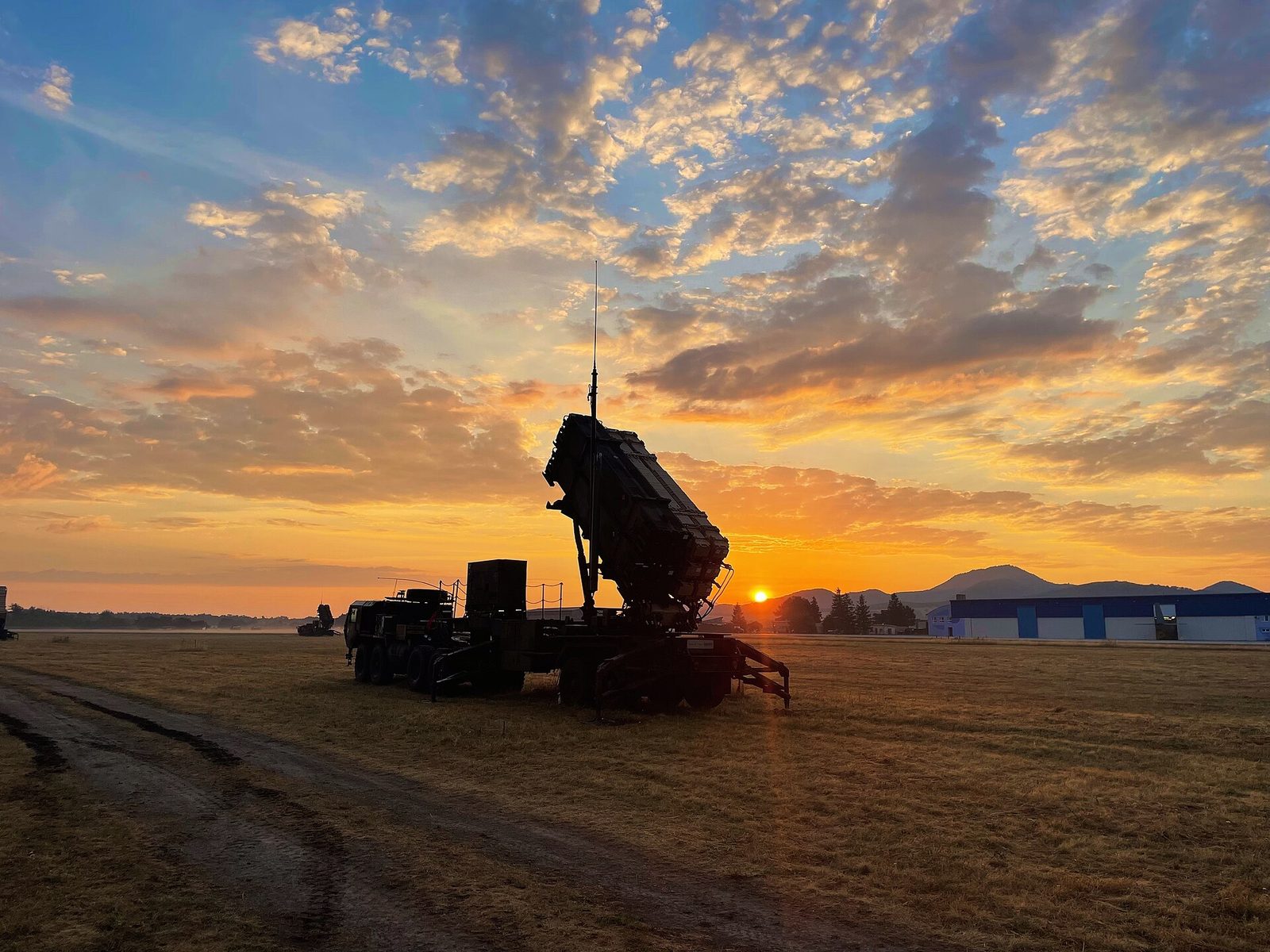
Archive photo · 27 July 2022U.S. State Department Approves 500 Patriot PAC-3 Missiles Sale To Ukraine For $2.1 Billion
“Trump made a shock announcement at the July NATO summit in Turkey that Ukraine would receive a license to produce its own Patriot missiles,”
“In July, Trump said Washington had ‘not agreed’ to license Ukraine to produce Patriots - three weeks after offering the country such a right.”
Photo: U.S. Army photo by 2nd Lt. Emily Park / US federal government, Public domain · Cropped for layout
This article is an automated aggregation of coverage from news outlets. Our editorials offer in-depth analysis curated by the NewsCord team.
State Department approved sale of 500 Patriot PAC-3 missiles to Ukraine, valued at $2.1 billion. Financing comes entirely from European partners and allies (Canada, Germany, Norway) with no US funds.
Save coverage image
Patriot sale approved
The U.S. State Department approved the sale of 500 Patriot PAC-3 missiles to Ukraine for an estimated $2.1 billion, with the deal financed through contributions from Canada, Germany, and Norway and through the European Union's Ukraine Support Loan.
The State Department said the purchase would be funded entirely by Kyiv's allies in Europe and Canada, and it said no US funds were involved in the sale.
Lockheed Martin remained the prime contractor for the deal, and the State Department described the proposed sale as supporting US foreign policy and national security objectives by improving the security of a partner country.
Ukrainian President Volodymyr Zelenskiy said Ukraine had been waiting for nearly a month for US approval of vital missile supplies, as Russia stepped up strikes on civilian infrastructure and energy facilities.
The approval came as Zelenskiy reported in a Telegram post that Russian ballistic missiles struck two of Ukraine's regions, and he said, "They continue to carry out terrorist strikes against our cities,".
Funding and delivery timeline
The State Department said Ukraine would pay for the missiles through donations from Canada, Germany, and Norway via the JUMPSTART program and national funds financed by the European Union's Ukraine Support Loan. The State Department also said the "principal contractor" would be American company Lockheed Martin, and it added that "no US funds are involved in this sale". CNN said the deal was for the PAC-3 MSE variant of the Patriot, describing it as "the most advanced version currently in service" and one of the few weapons capable of shooting down incoming ballistic missiles.
CNN reported that the Friday release did not specify when the interceptors would be delivered to Ukraine, and it also said the release did not specify whether any components would be produced there under an offset agreement. Reuters said Ukraine will not receive the missile interceptors quickly, and it warned that weapons sales typically take years to fulfill even as it said the Patriots may move to Kyiv on a faster timeline given Ukraine's urgent need.
Production pressure and stakes
Reuters tied the approval to broader concerns about inventories of key air defense and precision-guided weapons, noting that the US has supplied large quantities of weapons to allies while also using munitions in its own military operations in Iran. Reuters said in July the US Army awarded Lockheed a contract worth up to $58.6 billion to produce Patriot interceptor missiles, and it said Lockheed promised to triple PAC-3 MSE production capacity by the end of 2030. Lockheed also said it would increase jobs at its Camden, Arkansas plant by 50%, to about 1,850 from 1,200, and Reuters said Pentagon negotiators were pressing contractors to move much faster.
Zelenskiy told NBC News that Ukraine had a "big deficit with Patriot missiles and other kind of air defense," and he said, "Our soldiers have been very strong this year." In the same NBC News interview, Zelenskiy said Ukraine was left further exposed because of restrictions on Starlink and Starshield, and he said both were fully functional after a long outage two days after Trump indicated Musk had been asked to "put it back."