
Ukraine Warupdated 1h ago2 min read
Archive photo · 15 March 2023Pentagon Inspector General Refuses Probe Into Starlink, Starshield Slowdowns Over Ukraine
“The issues with Starshield were discovered after the administration threatened to withhold intelligence to Kyiv”
“The Defense Department's inspector general has turned down the lawmakers' request to investigate the throttling of Elon Musk's Starlink satellite internet service in Ukraine”
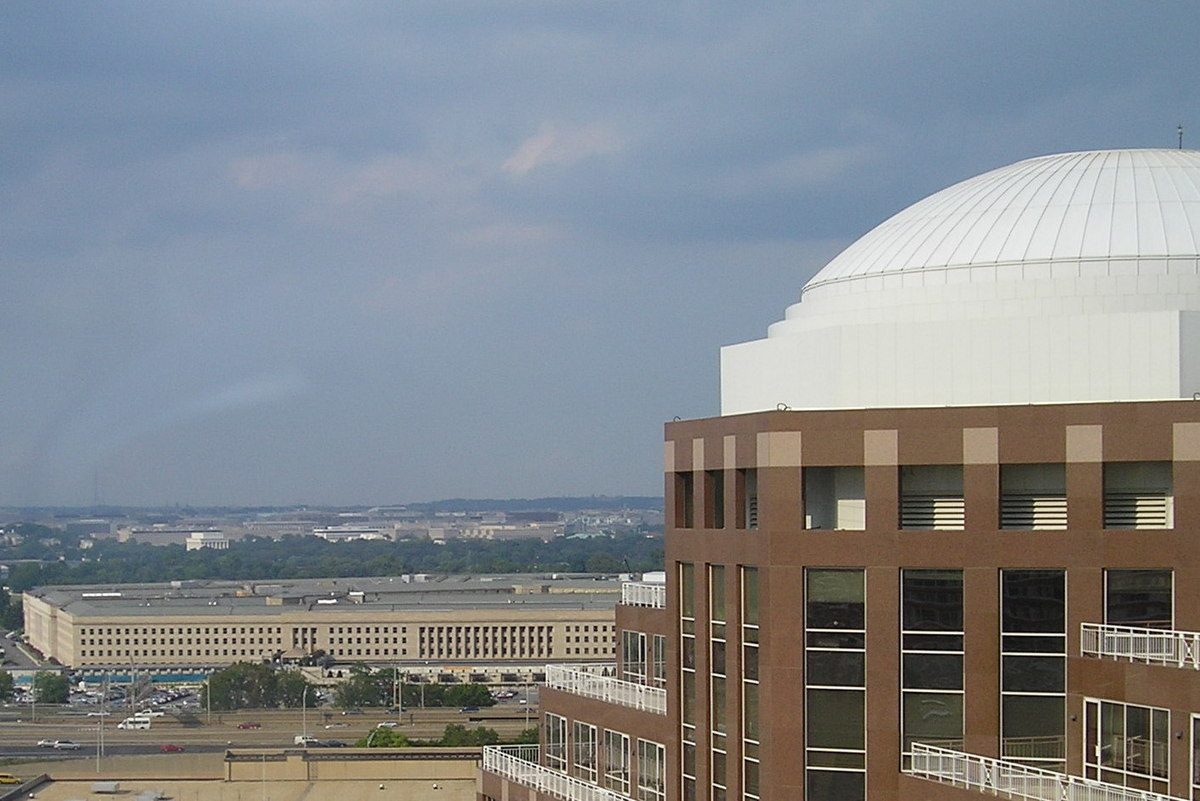
Photo: Loadmaster (David R. Tribble) This image was made by Loadmaster (David R. Tribble). Email the author: David R. Tribble, CC BY-SA 4.0 · Cropped for layout
This article is an automated aggregation of coverage from news outlets. Our editorials offer in-depth analysis curated by the NewsCord team.
Pentagon inspector general declines bipartisan request to open probe into Starlink/Starshield slowdowns in Ukraine. Nine senators urged an investigation into throttling of SpaceX's Starlink military network in Ukraine.
Save coverage image
Watchdog declines probe
The Pentagon inspector general’s office refused a bipartisan request to investigate recent disruptions to Starlink and Starshield satellite internet service to Ukraine, and the office said the questions should be directed to the US Air Force and Space Force. Pentagon Inspector General Platte Moring wrote that “They are better suited to address the matters raised in your letter and to coordinate any Department responses to your questions,” in a letter dated Tuesday. The senators’ request followed Ukrainian officials’ account that military drones lost satellite connectivity when traveling above 161 kilometers per hour (100 miles per hour), and the limit was removed after about 10 days.
The Ars Technica account said five Democratic and four Republican senators sent an October 15 letter to Moring asking for a probe into reported disruptions of Starlink and Starshield. Mollie Halpern, a spokeswoman for the inspector general’s office, said the watchdog “carefully considered the congressional request and determined that the matters raised were best addressed by the Department.”
Conflicting accounts
Sen. Jeanne Shaheen said the decision was “concerning” and argued that “there must be an independent accounting and review to determine responsibility and prevent this from happening in the future.”
Musk acknowledged over the weekend that SpaceX had throttled Starlink in Ukraine, and he accused Ukraine of violating Starlink’s terms of service, a charge Ukrainian officials rejected.
Musk wrote that “That loophole was closed last week,” and he said “Starshield, a different system, is controlled by the US government,” in an X post.
Serhiy Sternenko, an adviser to Ukrainian President Volodymyr Zelensky, disputed Musk’s claims and said speed restrictions and the service’s unavailability over Russian territory made Ukraine “physically unable to use commercial Starlink” for medium- and long-range strikes into Russia.
CNN reported that the issues with Starshield were discovered after the administration threatened to withhold intelligence to Kyiv over its strikes on Russian refineries and after President Donald Trump made a deal to buy Russian diesel and ease sanctions on Moscow.
What happens next
The Pentagon watchdog’s refusal left lawmakers seeking answers about whether any Pentagon or other US government officials “directed, authorized, approved, or had advance knowledge” of changes affecting Starlink and Starshield services in Ukraine. CNN said it was not until this Saturday that the speeds were fully restored, and it described ongoing questions about who was behind the slowdowns. Ars Technica reported that the congressional letter asked whether any restrictions on Starlink or Starshield services were directed, authorized, or implemented by SpaceX, the Department of Defense, or other US government entities.
The Ars Technica account also tied the satellite problems to a sequence that included the administration threatening to withhold intelligence to Kyiv over its strikes on Russian refineries and President Donald Trump making a deal to buy Russian diesel and ease sanctions on Moscow. The ETV Bharat account said the refusal raised concerns among lawmakers that the military and even its independent inspector general were reluctant to confront the influence that SpaceX chief Elon Musk has over defense communications.