Technology and Scienceupdated 1h ago2 min read
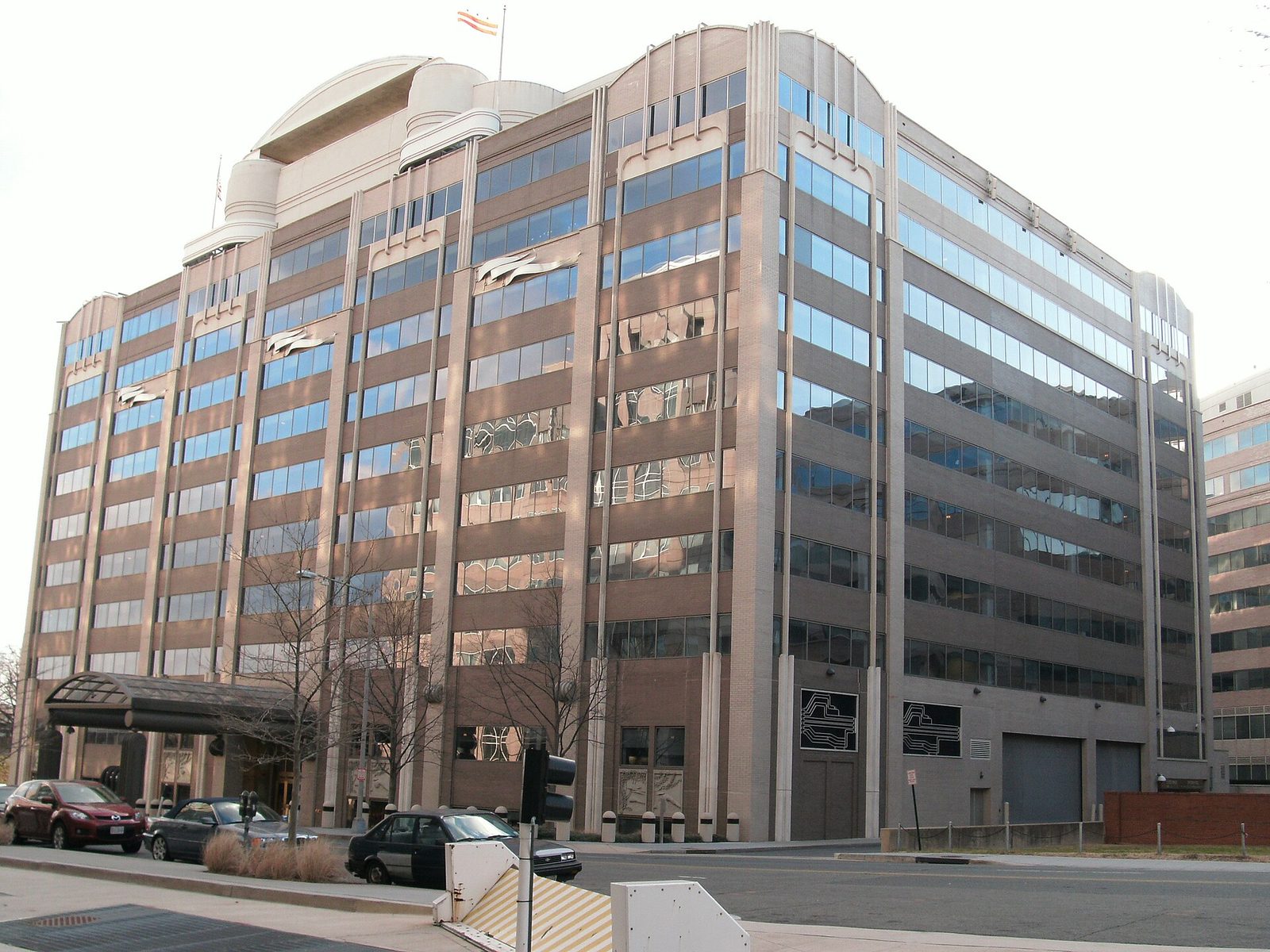
Archive photo · 21 February 2009FCC Plans Vote To Block China Mobile, China Telecom, China Unicom From U.S. Phone Numbers
3 Asian1 African1 West Asian1 Western AlternativePhoto: The original uploader was Ser Amantio di Nicolao at English Wikipedia., CC BY 3.0 · Cropped for layout
This article is an automated aggregation of coverage from news outlets. Our editorials offer in-depth analysis curated by the NewsCord team.
FCC to vote November 19 blocking Chinese telcos' direct access to US numbers Policy targets China Mobile, China Telecom, China Unicom and other IP-enabled service providers
Save coverage image
FCC targets direct number access
The United States Federal Communications Commission plans to vote on November 19 on a proposal to block China Mobile, China Telecom, China Unicom and other internet-based service providers from direct access to American phone numbers. FCC Chair Brendan Carr said, "With this decision, the FCC will be strengthening our first line of defense against bad actors and illegal robocallers," as the proposal targets Voice over Internet Protocol technology that converts voice into digital data and transmits it over broadband connections. The FCC framed the restrictions as a national security measure aimed at preventing scam-related robocalls, and the proposal would also cover IP-enabled service providers that obtain U.S. numbers through internet-based voice services.
The FCC also announced plans to prohibit IP-enabled service providers from using equipment manufactured by companies on its list of entities considered national security risks, including Huawei and ZTE. The FCC said it would ban all Chinese laboratories from testing US electronics in December 2028, and it is considering revoking direct phone number authorisations for Chinese companies it considers security risks.
China rejects the rationale
China’s foreign ministry said it firmly opposed the proposed restrictions, accusing Washington of abusing national security concerns to suppress Chinese companies. Guo Jiakun told a daily press conference, "China will take necessary measures to resolutely safeguard its own legitimate rights and interests," as the FCC moved to tighten rules around Chinese telecom access. The FCC also said it plans to bar IP-enabled service providers that use equipment from companies on the FCC's list that pose national security risks, including Huawei or ZTE.
The FCC added that it would ban all Chinese labs from testing US electronics in December 2028 and may also revoke direct number authorizations for Chinese companies that it deems to pose a national security risk. The FCC has previously prohibited China Mobile, China Telecom and China Unicom from providing international telecommunications services to the United States, and it is considering additional measures including blocking connections to US networks and operating data centres in the country.
Salt Typhoon and next steps
Washington’s concerns about potential espionage and other security threats linked to Chinese access to American telecommunications infrastructure have grown in recent years, with the FCC tying the curbs to national security and robocall prevention. In late 2024, the US government said a Chinese state-sponsored cyber espionage group known as Salt Typhoon had stolen consumers’ call records and US call data while infiltrating telecommunications companies and infrastructure. The FBI said this year that threats from Salt Typhoon were "still very much ongoing," as the FCC’s proposal advanced toward its November 19 vote.
The FCC also added California-based Digitalsystem Technology to its list of companies considered national security risks in July, citing links to Chinese telecommunications firms and its ownership by a Chinese national. The FCC’s broader package includes barring Chinese laboratories from testing US electronics in December 2028 and considering whether to revoke direct access authorisations, while the Chinese government has consistently denied wrongdoing.