Technology and Scienceupdated 1h ago2 min read
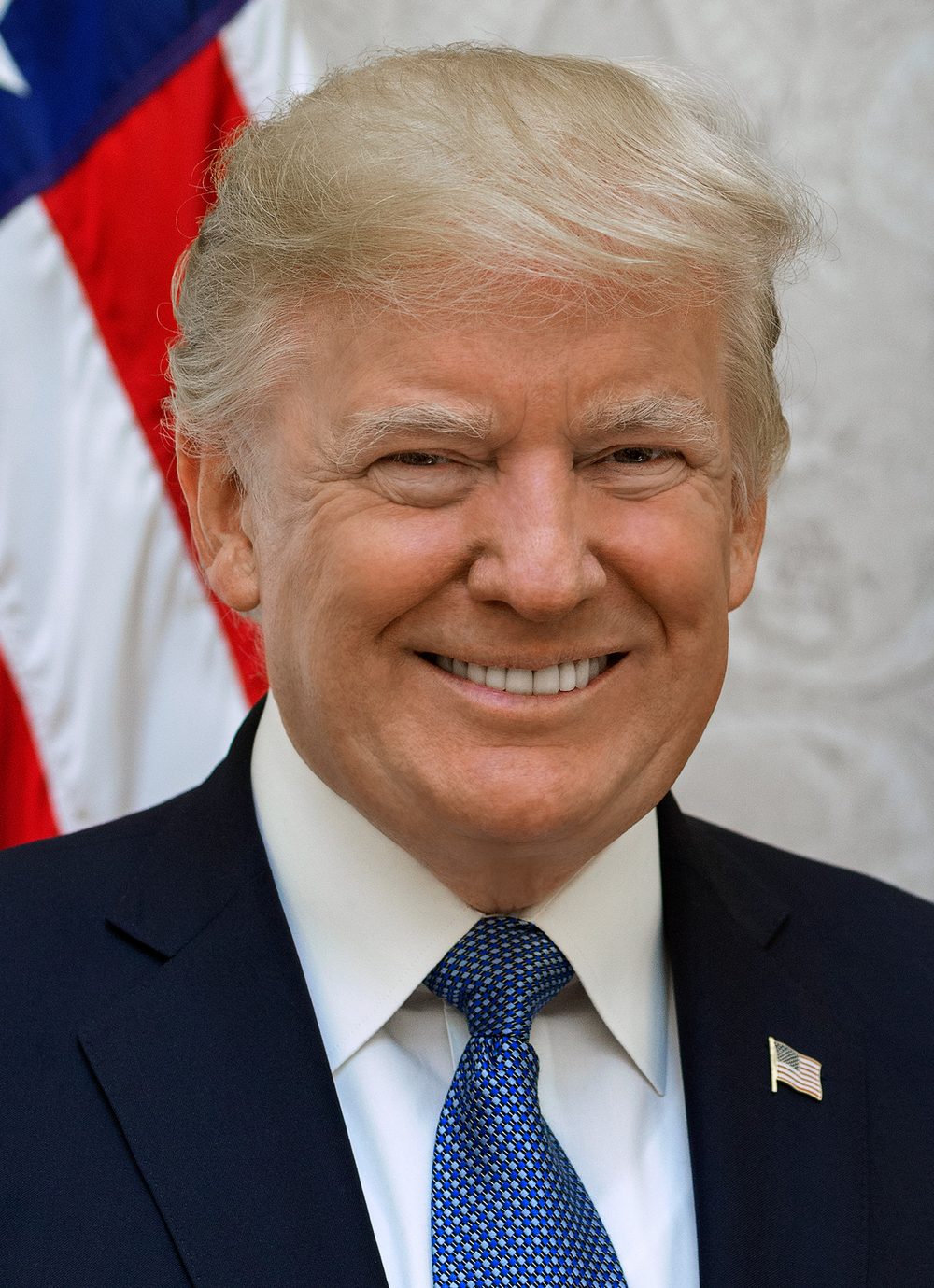
Archive photo · 6 October 2017Trump Declares Foreign-Made Robotics National Security Threat, Orders New Trade Talks
“White House has identified cybersecurity vulnerabilities in foreign-sourced industrial robots and machinery as a potential threat to U.S. national security,”
“With most of the major industrial automation providers based overseas, it remains to be seen how trade negotiations will go.”
Photo: Shealah Craighead / White House, Public domain · Cropped for layout
This article is an automated aggregation of coverage from news outlets. Our editorials offer in-depth analysis curated by the NewsCord team.
Trump determined imported robots and industrial machinery threaten U.S. national security under Section 232. Directed negotiations with trading partners within 180 days; potential tariffs on robot imports later.
Save coverage image
Section 232 Robot Threat
President Donald Trump issued a proclamation on October 28 declaring that imports of foreign-made robotics and industrial machinery pose a national security threat and ordering new US negotiations with trading partners.
The proclamation cited a Commerce Department investigation under Section 232 of the Trade Expansion Act of 1962 that found imported robots and industrial machinery “pose[] risks to the United States industrial base and threatens the long-term competitiveness of the United States in a sector that is increasingly vital to national security.”
The proclamation directed the Commerce Secretary and the U.S. Trade Representative to “to enter into negotiations with trading partners to adjust imports of robotics, industrial machinery, and their components so that such imports will not threaten to impair the national security of the United States.”
The proclamation also warned that if negotiations fail, Trump may take additional actions including “tariffs, duties, quotas, and fees” on such imports.
The proclamation described robotics and industrial machinery as critical to virtually all modern manufacturing processes, including for defense, commercial, and dual-use purposes.
Cybersecurity and FCC backdrop
The White House proclamation warned that imported robotics and industrial machinery could introduce “significant cybersecurity vulnerabilities that can result in severe consequences to the United States.” The Section 232 statement cited “advanced robots — such as autonomous robots, humanoid and quadruped robots, and autonomous ground vehicles” as providing direct support to the U.S. military. The Federal Communications Commission in July barred imports of new models of Chinese robots and power inverters, while allowing existing models of humanoid and quadruped robots to be imported.
The FCC said, “(Robots) collect data that could be leveraged by malign actors to surveil Americans, enhance the capabilities of foreign intelligence services, or to remotely commandeer the robots,” linking the concern to data collection and remote control. The proclamation directed officials to negotiate over the next six months before any tariffs, framing the action as a step toward strengthening domestic supply.
180 days, possible tariffs
The proclamation set a timeline of 180 days for negotiations, and it directed agencies to report on the progress of talks within that period. Trump determined the risk under Section 232 and directed the Department of Commerce and the U.S. The proclamation recorded that within the preceding 90 days the Secretary of Commerce transmitted a Section 232 report and that Trump concurred with the finding that robotics and industrial machinery imports threaten to impair national security.
Trump declined to impose more tariffs for now and instead directed negotiations with other countries to adjust imports levels. Brendan Schulman called the proclamation “another strong signal of government support for those working on developing and expanding domestic supply chains for robots,” while Robert Little said the United States still had “limited industrial robot manufacturing in the U.S.”