Technology and Scienceupdated 45m ago2 min read
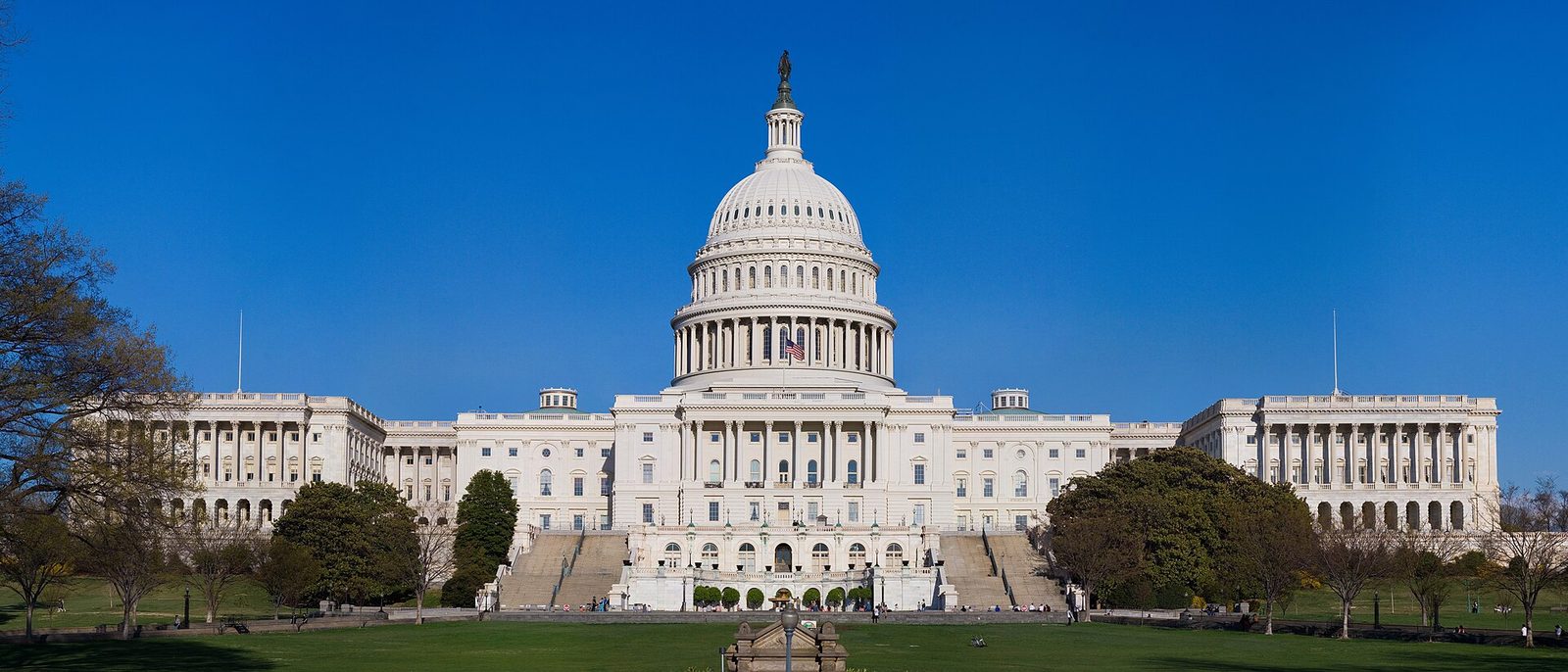
Archive photo · 3 April 2007Bipartisan U.S. Lawmakers Push To Ban DeepSeek From Government Devices
4 Western Mainstream1 Latin AmericanPhoto: Noclip, Public domain · Cropped for layout
This article is an automated aggregation of coverage from news outlets. Our editorials offer in-depth analysis curated by the NewsCord team.
Bipartisan House bill would ban DeepSeek AI chatbot on government devices for national security reasons. Legislation introduced by Rep. Darin LaHood and Rep. Josh Gottheimer.
Save coverage image
DeepSeek ban push
U.S. lawmakers introduced a bipartisan bill to ban China’s DeepSeek artificial intelligence software from government devices, with Representatives Darin LaHood, R-Ill., and Josh Gottheimer, D-N.J., citing national security grounds. LaHood said in a statement, “The technology race with the Chinese Communist Party (CCP) is not one the United States can afford to lose,” and he added that DeepSeek’s generative AI program can acquire the data of U.S. users and store the information for unidentified use by Chinese authorities.
Gottheimer said, “Under no circumstances can we allow a CCP company to obtain sensitive government or personal data,” and he tied the risk to an analysis by Ivan Tsarynny, CEO of Feroot Security, that said DeepSeek’s chatbot app intentionally hid code that could send user login information to China Mobile. The Chinese Foreign Ministry opposed the move, with spokesperson Guo Jiakun saying at a regular briefing in Beijing, “It has never and will never require companies or individuals to collect or store data in violation of the law.”
Security claims and counterclaims
Ivan Tsarynny, CEO of Feroot Security, told The Journal that “Our personal information is being sent to China, there is no denial, and the DeepSeek tool is collecting everything that American users connect to it,” linking the alleged risk to hidden code that could send login information to China Mobile. Gottheimer said in a statement, “We simply can’t risk the CCP infiltrating the devices of our government officials and jeopardizing our national security,” and he told The Associated Press that the alarm prompted him to ban DeepSeek on all government devices.
DeepSeek’s supporters pointed to the app’s open-source code and popularity, but the legislation proposal still singled out DeepSeek and any AI application developed by its parent company, the hedge fund High-Flyer, for the ban. The Chinese Foreign Ministry rejected the premise, with Guo Jiakun saying, “The Chinese government attaches great importance to and legally protects data privacy and security,” and a representative for DeepSeek could not be reached for comment.
Broader restrictions and exceptions
The bill would ban federal employees from using DeepSeek on government-owned electronics, and it would include exceptions for national security and research purposes that would allow federal employers to study DeepSeek. CNN en Español reported that if approved, the bill would give federal agencies 60 days to develop rules and guidelines to remove DeepSeek, as well as any other app developed by its parent company, High Flyer, from official devices.
Outside the United States, Australia banned DeepSeek from government systems and devices, and Taiwan announced that it banned government departments from using Deepseek’s AI, while South Korea’s industry ministry temporarily blocked employee access to the app. The proposal also arrived as lawmakers compared the DeepSeek push to earlier TikTok restrictions, with AP noting that the policy was similar to the one already in place for TikTok and with NBC News describing that other governments had already issued warnings or placed restrictions on DeepSeek, including South Korea and Italy.