Coalition of 32 Countries Taps Oil Reserves as Iran's Retaliatory Attacks Close Strait of Hormuz
Key Takeaways
- 32-country coalition will tap strategic oil reserves to stabilize global oil prices
- Strait of Hormuz is all but closed, threatening a fifth of the world’s oil
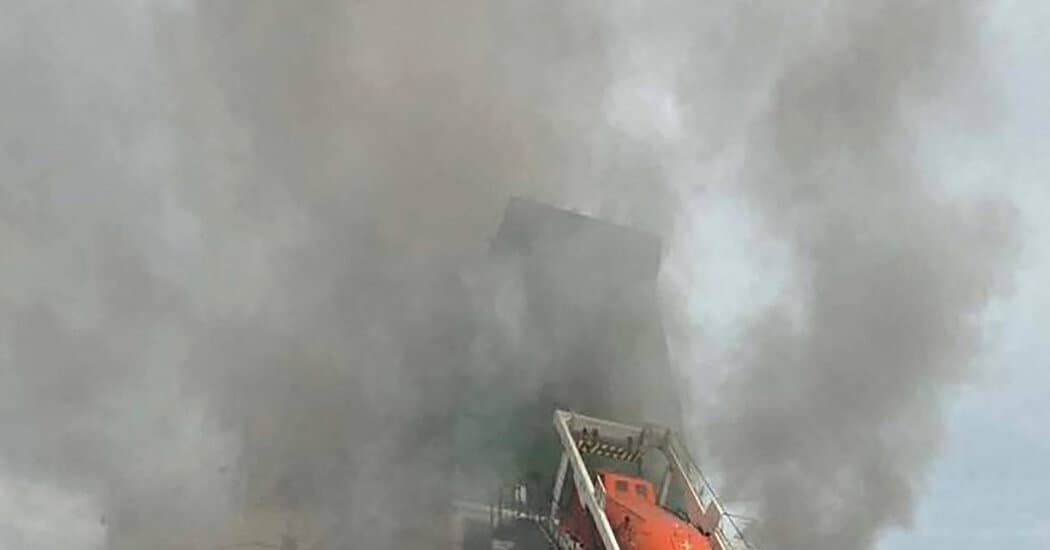
- Three ships were hit by unidentified projectiles in or near the Strait of Hormuz
IEA releases oil reserves
Facing a widening Middle East war that has disrupted shipping through the Strait of Hormuz, a coalition of 32 IEA member countries agreed to release 400 million barrels from strategic reserves — the largest coordinated release on record — to stabilise global oil supplies and blunt price shocks caused by attacks on vessels and energy infrastructure.
The International Energy Agency announced the release as world leaders raced to shore up supply after strikes in and near the Strait threatened a fifth of the world’s oil transit, while the agency’s executive director said he did not specify when countries would start releasing oil.
President Trump gave mixed signals about the war’s duration, saying it would end soon because there was “practically nothing left to target,” even as Iran showed no sign of halting its campaign.
(IEA release and market moves were framed as the first coordinated action of this scale since 2022.)
Strait attacks escalate
The Strait of Hormuz has become a flashpoint: three ships were struck in or near the waterway within hours, and Iran appeared to claim responsibility for at least one attack on a Thai-flagged cargo vessel, with an Iranian naval commander asserting that “any vessel that intends to pass must obtain permission.”
The uptick in strikes prompted heightened military alerts and contributed directly to the IEA’s decision, as the narrow channel carries about a fifth of global crude and is critical to energy markets.
UK maritime authorities and regional governments reported strikes on vessels and increased risk to commercial shipping as carriers and insurers reassessed transit through the area.
Wider military exchange
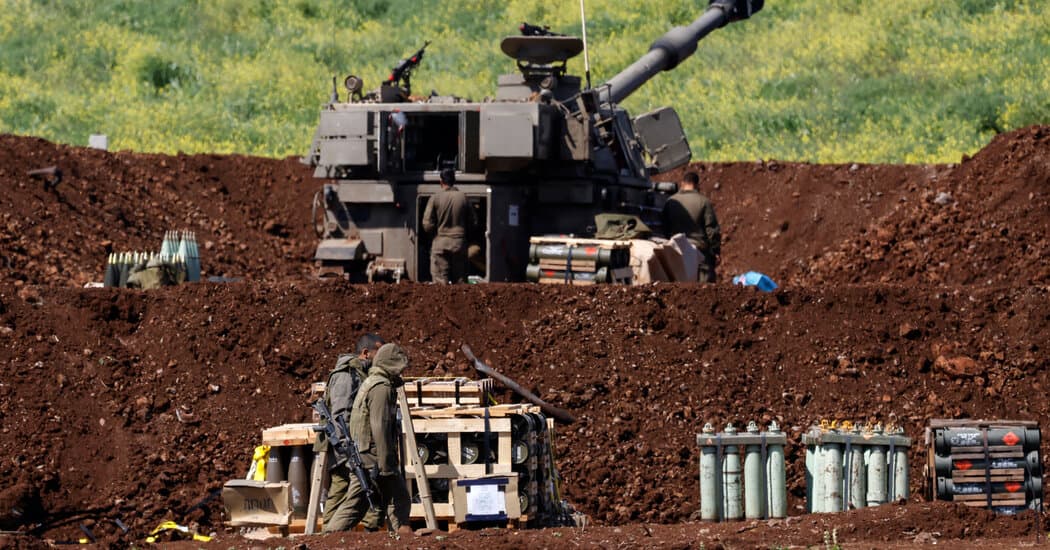
The escalation is part of a broader tit-for-tat between Iran and U.S./Israeli forces: heavy U.S. and Israeli strikes on Iranian territory have killed large numbers, while Iran’s retaliatory campaign has used thousands of drones, hundreds of ballistic missiles and some cruise missiles to strike multiple countries and U.S. military bases.
Iranian attacks have hit energy installations and ports, and American officials say the strikes have damaged Iranian naval capacity even as analysts caution Tehran still retains significant missile and drone stocks.
The conflict’s weapons profile — heavy use of drones and short-range ballistic missiles — has made defending civilian infrastructure and ports especially difficult and raised international alarm.
Tempo of attacks shifts
Despite the scale of Iran’s strikes, some officials say the tempo of attacks has slowed, possibly due to depleted stockpiles or a deliberate decision to conserve weaponry for a protracted conflict.
U.S. Defense Secretary Pete Hegseth said Iran had fired the lowest number of missiles in a 24-hour period since the war began and asserted steep declines in ballistic missile and drone launches; analysts warned, however, that independent verification is difficult and that Iran remains capable of striking Israel and nearby targets.
Reports from Gulf states show varying trends, with the UAE and Bahrain reporting big drops in daily launch numbers while other countries’ data remain mixed or scarce.
Costs and consequences
The economic and human costs are interlinked: soaring oil prices and disrupted shipping threaten global consumers while the fighting has caused hundreds to thousands of casualties and large displacements in Lebanon and elsewhere, creating political pressure on governments to act.
The IEA’s strategic-release decision was presented as an attempt to blunt immediate market panic, but the scope of military destruction — including attacks on ports, energy infrastructure and incidents that killed U.S. service members — means markets and policymakers may face longer-term volatility and difficult diplomatic choices as the war continues.
More on Iran
US obliterates military targets on Iran’s Kharg Island, Trump warns
13 sources compared
US Deploys About 2,500 Marines to Middle East After Iran Attacks Gulf Shipping
33 sources compared
FBI Warns of Iranian Drone Plot Based on Unverified Tip; California Says No Credible Threat
10 sources compared

White House Demands ABC Retract Report Claiming Iran Sought To Launch Drone Attacks On California
11 sources compared