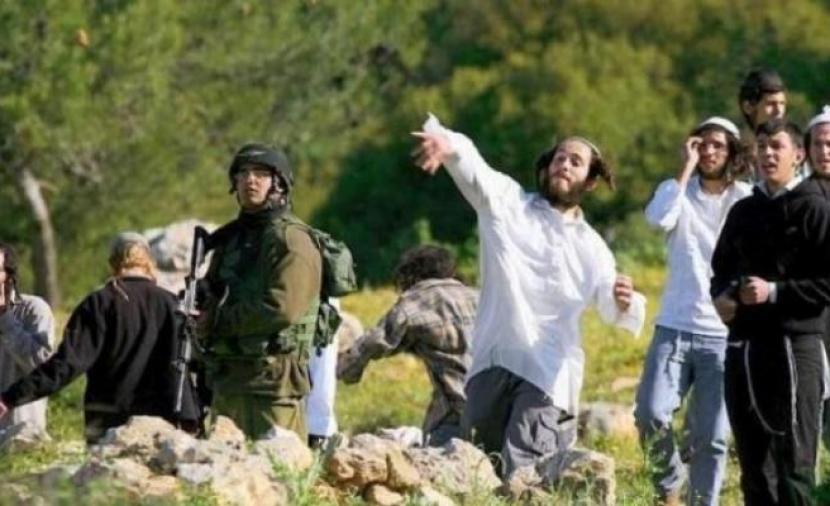
Colonists Set Fire to Vehicle and Attack Palestinian Homes South of Nablus
Key Takeaways
- Colonists set fire to a vehicle and attacked Palestinian homes south of Nablus.
- West Bank settler violence is surging, with multiple attacks around Nablus reported.
- Rights groups warn land-seizure attempts accompany these attacks and intimidate residents.
Nablus-area arson and home attacks
Colonists set fire to a vehicle and attacked Palestinian residents’ homes south of Nablus on Friday evening in the village of 'Asira al Qibliya, according to a local official cited by WAFA.
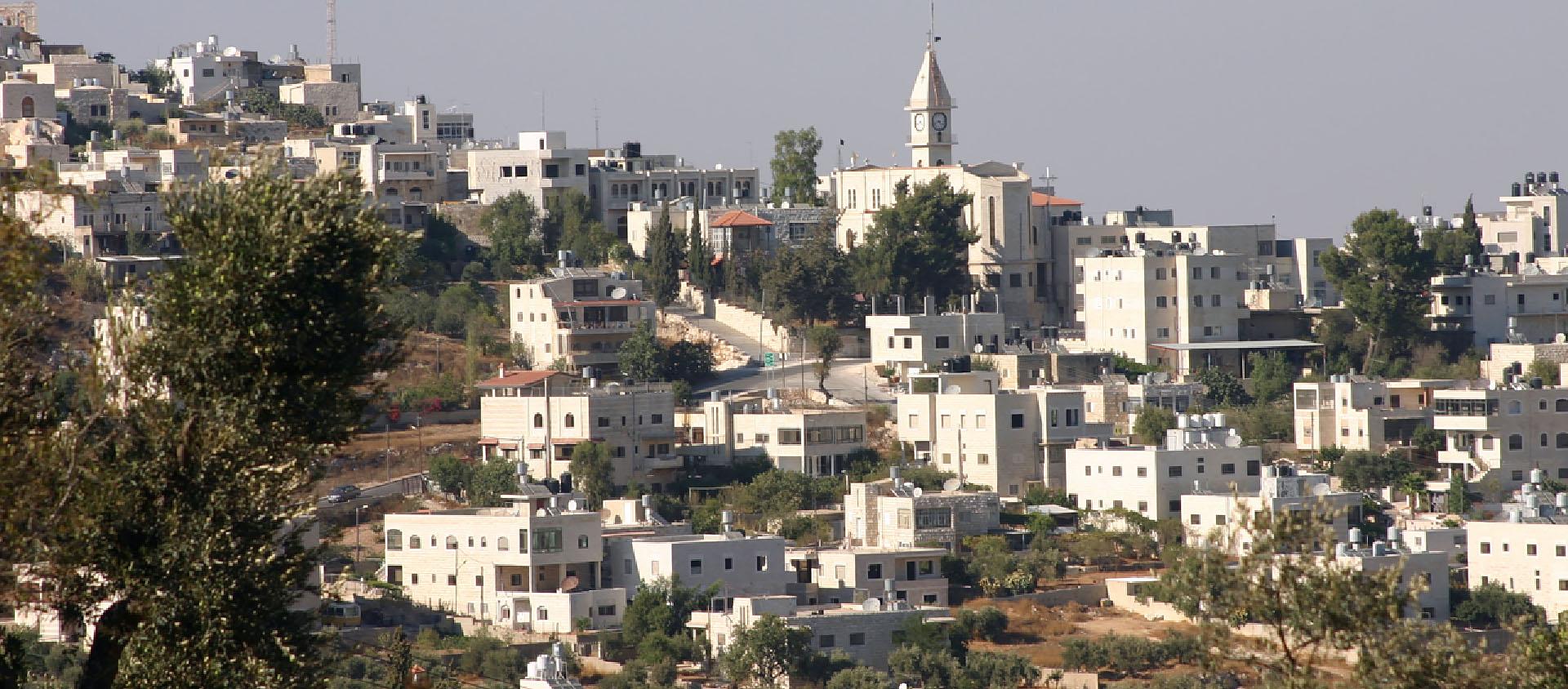
“Taybeh, the survival of the last Christian village in the occupied West Bank”
WAFA says Head of 'Asira al Qibliya village council Hafez Saleh reported that colonists attacked the southern area of the village and set fire to a vehicle owned by one of the residents, damaging its front section.
WAFA adds that colonists also attempted to set fire to a warehouse and equipment belonging to another resident.
The report says colonists further attacked several homes in the same area, located near a colonial pastoral outpost established on land classified as Area B, and that they obstructed access to a water reservoir supplying the village and prevented maintenance work.
The WAFA account frames the attacks as occurring with colonists “backed by army forces,” and it describes the incident as part of a broader pattern of raids and seizures in the same region.
In parallel, TRT عربي reports that in southern Nablus, ten Palestinians were injured in predawn hours of Monday in an attack by settlers on the towns of al-Lubban al-Sharqiya and Qasra, and it says settlers set fire to about ten vehicles and two houses, one of which burned completely.
TRT عربي also says anti-settlement resistance activist Abdul-Dayim Al-Wadi described another attack in Qasra in which settlers burned a vehicle before clashes with Palestinian youths forced them to withdraw.
A documented surge and its timeline
While WAFA and TRT عربي describe specific incidents around Nablus, Middle East Monitor places those events inside a quantified surge in settler violence in the occupied West Bank.
Middle East Monitor reports that Israeli settlers launched an attack on Deir al-Hatab town setting fire to Palestinian homes and vehicles causing material damage in Nablus, West Bank, Palestine on March 23, 2026, and it attributes the broader pattern to an Israeli rights group.
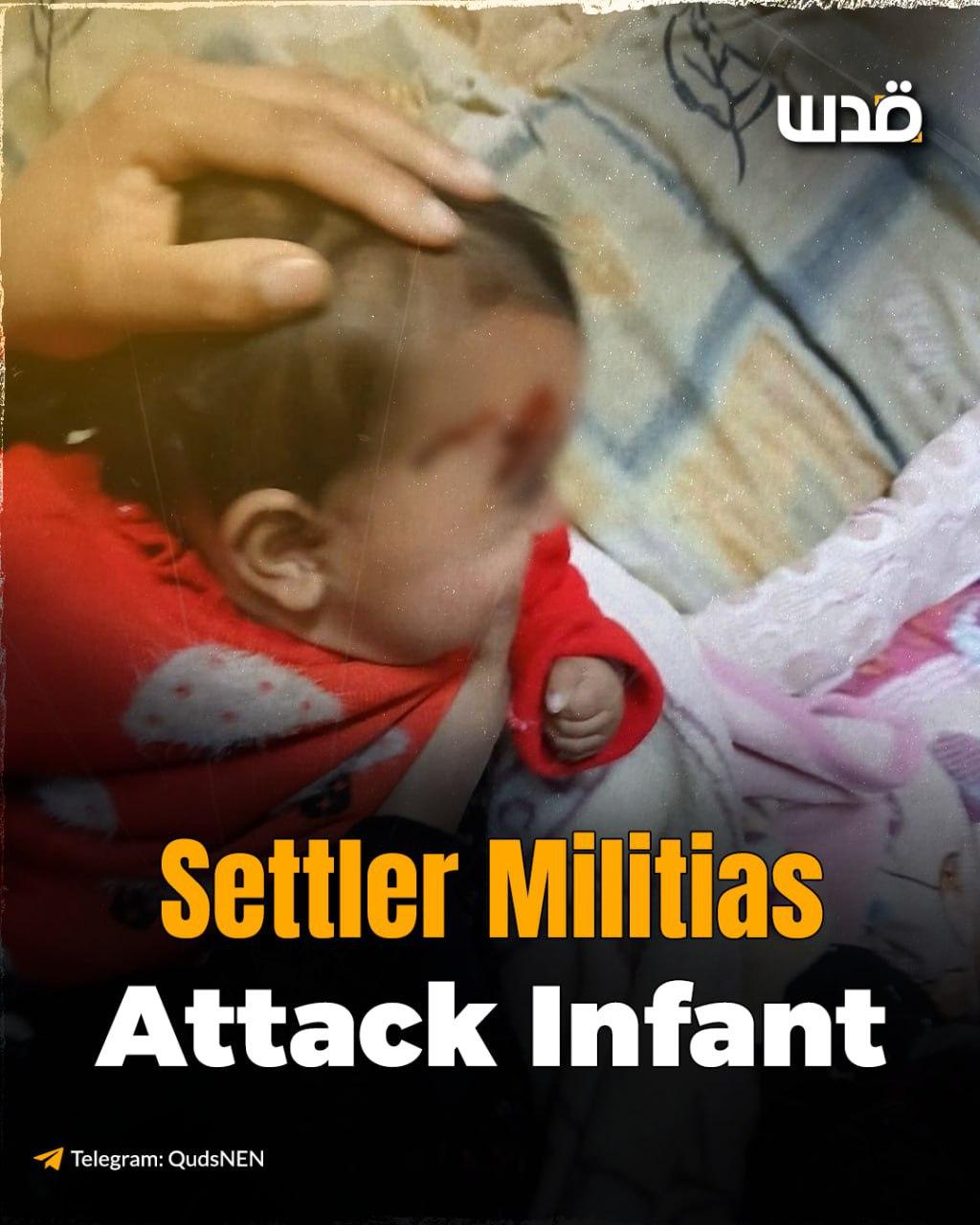
The outlet says Yesh Din documented 378 violent incidents carried out by settlers over just 40 days during the war with Iran, describing an average of ten incidents of settler violence per day.
Middle East Monitor adds that the incidents occurred in 148 Palestinian villages and towns across the West Bank and says Yesh Din reported that eight Palestinians were killed by settler gunfire during that period, while around 200 others were injured.
It also states that cases of arson targeting property were recorded and that Yesh Din said on X: “Israel can stop settler violence if it chooses to. Instead, government policy encourages criminal settlers and fuels the spread of violent farm outposts across the West Bank,” referring to settlement activists establishing farming outposts.
Middle East Monitor further says that three weeks into the 40-day war, an army unit was deployed to restrain settlers, and it reports that a further 120 violent incidents were recorded by the end of the conflict.
In a separate West Asian report, فلسطين أون لاين claims that violations by the occupation forces and settlers against Palestinians and their property in the West Bank and Jerusalem have risen to 9,406 violations during March, and it says Ma‘ta previously documented 30 Palestinians martyred and 376 others injured in more than 9,400 Israeli violations in the West Bank and occupied East Jerusalem during March.
Voices describing daily confinement
Accounts from the ground in the West Bank emphasize how residents describe ongoing restrictions and attacks as part of a wider system of control.
“They are practically daily engaged in abuses against Palestinians, entering villages, burning houses and cars, and killing those who oppose their violence”
In a report by cath.ch, Taybeh is described as “the survival of the last Christian village in the occupied West Bank,” and it says attacks by Israeli settlers against Palestinians are on the rise in Taybeh as the Israeli army tightens movement by “complicating movement and enclosing them in ghettos.”
The article quotes Taybeh resident Fouad Muaddi, who says, “Between these iron bars, we are constantly prisoners. Impossible to go out in the evening. The best is to barricade ourselves to protect ourselves.”
It also quotes Muaddi describing the enclave where he lives as consisting of six villages including Taybeh, and it says the enclave was set up after the October 7, 2023 attack.
The cath.ch report says Muaddi commutes daily from Taybeh to Ramallah and describes “Eighteen long and anxiety-filled kilometers,” with Israeli army checkpoints where “waits are endless and crossing permissions uncertain.”
The report also includes testimony from Father Fawadleh Bashar, the parish priest at the Latin Church of the Christ Redeemer in Taybeh, who says, “Since June 2024, assaults have considerably increased,” and it states that “Recently the settlers burned land belonging to the Al-Khader church.”
L’Humanité, meanwhile, describes a pattern of settler attacks and Israeli army protection, saying “In the West Bank, the settlers kill and the Israeli army protects them,” and it reports that on June 25 “about a hundred heavily armed Israeli settlers violently attacked Palestinians in the village of Kafr Malik, killing three people.”
Competing frames of responsibility
The sources also diverge in how they frame responsibility for violence and the role of the Israeli state.
Middle East Monitor explicitly attributes the surge to “clear government cover,” saying Yesh Din reported attacks “are taking place under clear government cover,” and it quotes Yesh Din on X: “Israel can stop settler violence if it chooses to. Instead, government policy encourages criminal settlers and fuels the spread of violent farm outposts across the West Bank.”

In contrast, WAFA’s account of the 'Asira al Qibliya incident emphasizes colonists “backed by army forces” and focuses on the immediate actions—setting fire to a vehicle, attempting to set fire to a warehouse, and obstructing access to a water reservoir—without presenting a quantified pattern.
TRT عربي likewise centers on the mechanics of attacks and injuries, reporting that settlers set fire to “about ten vehicles and two houses” and that one house “burned completely,” while it also includes a resistance activist’s description of clashes that forced settlers to withdraw.
cath.ch and L’Humanité both present a broader narrative of confinement and protection, with cath.ch describing “ghettos” and “iron bars” monitored by Israeli soldiers, and L’Humanité stating in its headline that “the Israeli army protects them.”
EuroPalestine adds another layer by describing raids, mass arrests, curfews, and forced relocations, saying that for the third consecutive day Israeli occupation forces besieged the town of Qabatiya, imposed “a total curfew,” and “forcibly relocating dozens of families from their homes.”
EuroPalestine also reports that “houses were turned into interrogation centers” and that troops blocked all routes into the town, while it describes other incidents including the demolition of two industrial facilities in Bir Nabala and the stealing of “solar-powered lighting units.”
Escalation, deaths, and wider stakes
Beyond the West Bank incidents described in multiple reports, the sources also connect the violence to the broader war on Gaza and to claims about casualties and international legal and humanitarian stakes.
“The Al-Baydar rights organization said that Israeli settlers performed Talmudic prayers and held dances and a musical concert in the Salt Baths area in the northern Jordan Valley, noting that these practices raise concerns among residents and reflect ongoing attempts to seize control of agricultural land and residential areas”
فلسطين أون لاين includes a claim that “UN: 38,000 women and girls were martyred during the Israeli war on Gaza,” and it repeats that figure in its headline-linked content.

WAFA’s page also lists “UN Women: Over 38,000 women and girls killed in Gaza since October 2023,” and it places the figure alongside other items such as “UN Guterres: Respect for International Court of Justice rulings is not optional.”
In the West Bank context, TRT عربي says the rise in settler attacks in the occupied West Bank since October 8, 2023 has included killings, injuries, arrests, demolitions, displacement, and settlement expansion, and it states that those attacks “have killed more than 1,140 Palestinians and injured about 11,750 others,” in addition to “the arrest of roughly 22,000.”
EuroPalestine reports that the ministry warned of a “dangerous and rapid” escalation of attacks on Palestinian lands and says these attacks increasingly target agriculture and threaten Palestinians’ food security, while it adds that “More than 8,000 olive trees were destroyed in the occupied West Bank in a single week” with losses estimated at “nearly $7 million.”
In the cath.ch narrative, the stakes are described through the threat of exile from Taybeh and the daily ordeal of movement, with the article warning that the Israeli strategy is to “confine the Palestinians” and “ultimately compel them to leave their homes of their own accord and abandon their lands with no hope of return.”
L’Humanité’s account similarly emphasizes lethal outcomes, reporting that on July 1 “a Palestinian, Samer Bassam al-Zagharneh, was shot dead by Israeli soldiers,” and on July 11 “a 20-year-old American-Palestinian, Saif al-Din Musalat, was beaten to death by Israeli settlers in Sinjil.”
More on Gaza Genocide
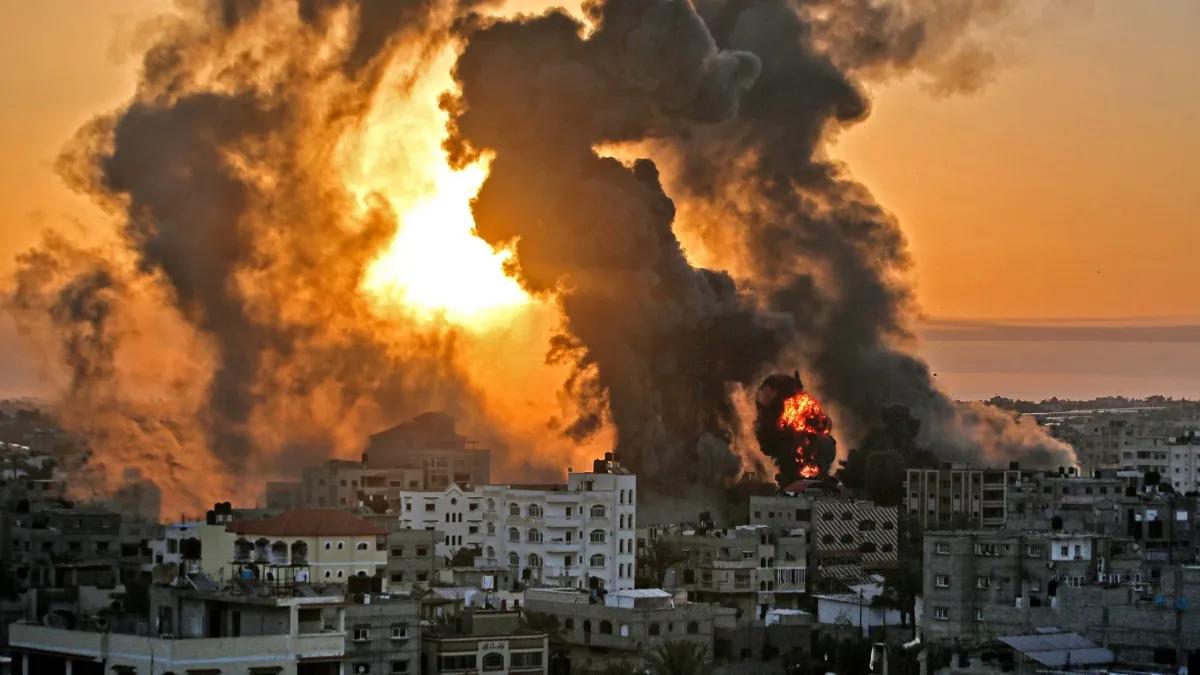
Israeli Attacks Push Gaza Death Toll to 72,551, Injuries Reach 172,274
10 sources compared

EU Foreign Ministers Postpone Sanctions Against Israel Over Gaza and West Bank
11 sources compared
UNICEF Outraged After Israeli Forces Kill Two Water Truck Drivers in Northern Gaza
19 sources compared
Trump’s Gaza Peace Council Talks Paused After US-Iran War Breaks Out
10 sources compared