
EU Foreign Ministers Postpone Sanctions Against Israel Over Gaza and West Bank
Key Takeaways
- EU foreign ministers postponed sanctions vote against Israel over Gaza and West Bank.
- Discussion on revising the EU-Israel Association Agreement underway.
- Nine EU states push to halt trade with Israeli settlements.
EU shifts, sanctions delayed
Europe’s diplomacy toward Israel is moving in multiple, sometimes conflicting directions as EU institutions and member states weigh sanctions tied to the war in Gaza and the situation in the West Bank.
“Con 72,1 miliardi di euro nel 2023 l’Unione europea è il più importante investitore in Israele, doppiando di fatto gli Stati Uniti”
The Guardian frames the moment as a “bad week for Israel in Europe,” citing the loss of Hungary’s ally status after “Viktor Orbán was toppled from power in Hungary” and noting that “Italy suspended a key defence pact.”
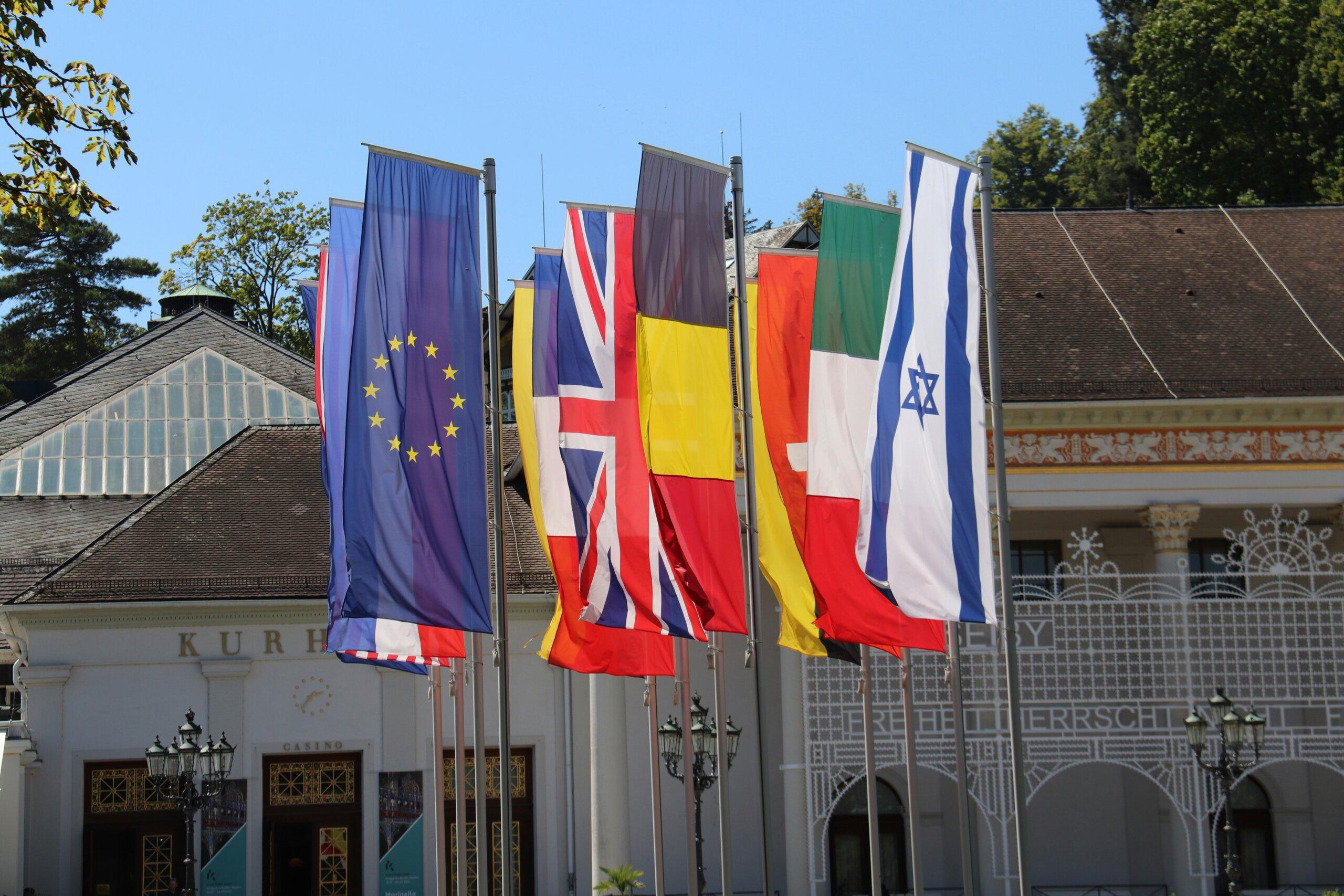
The Guardian also says EU officials expect to revive sanctions targeting “a small number of extremist settlers” once a new Hungarian government takes office “next month,” while it quotes Maya Sion-Tzidkiyahu saying, “Hungary’s veto was the only thing preventing the package of sanctions against violent settlers.”
In Brussels, Euronews reports that the 27 EU foreign ministers decided to “tenere sotto stretto controllo” Israel’s compliance with a recent agreement meant to improve humanitarian access in Gaza, with Kaja Kallas saying the EU would not “punirà” Israel and would instead “seguirà da vicino” implementation.
Euronews adds that ministers examined “un elenco esaustivo di 10 opzioni,” including “la sospensione dell’esenzione dal visto” and “il blocco delle importazioni dagli insediamenti ebraici,” but the EU did not impose penalties immediately.
Il Post describes the same EU foreign ministers’ meeting as failing to reach unanimity, with the vote on sanctions postponed, and says the sanctions were proposed because Israel is accused of not respecting “Article 2” of a treaty signed in 1995 and in force since 2000.
The overall picture across outlets is that the EU is preparing legal and political mechanisms—reviewing the association agreement, keeping options “sul tavolo,” and discussing targeted measures—while repeatedly encountering the unanimity hurdle that can stall action.
Association agreement review
A central thread in the EU’s response is the association agreement with Israel, which multiple outlets describe as being reviewed or threatened with suspension depending on how member states interpret Israel’s obligations under the treaty.
Eunews reports that “Oggi (20 maggio)” the EU decided to proceed with “una revisione dell’accordo di associazione con Israele,” announced by Kaja Kallas after a meeting with the foreign ministers of the 27.
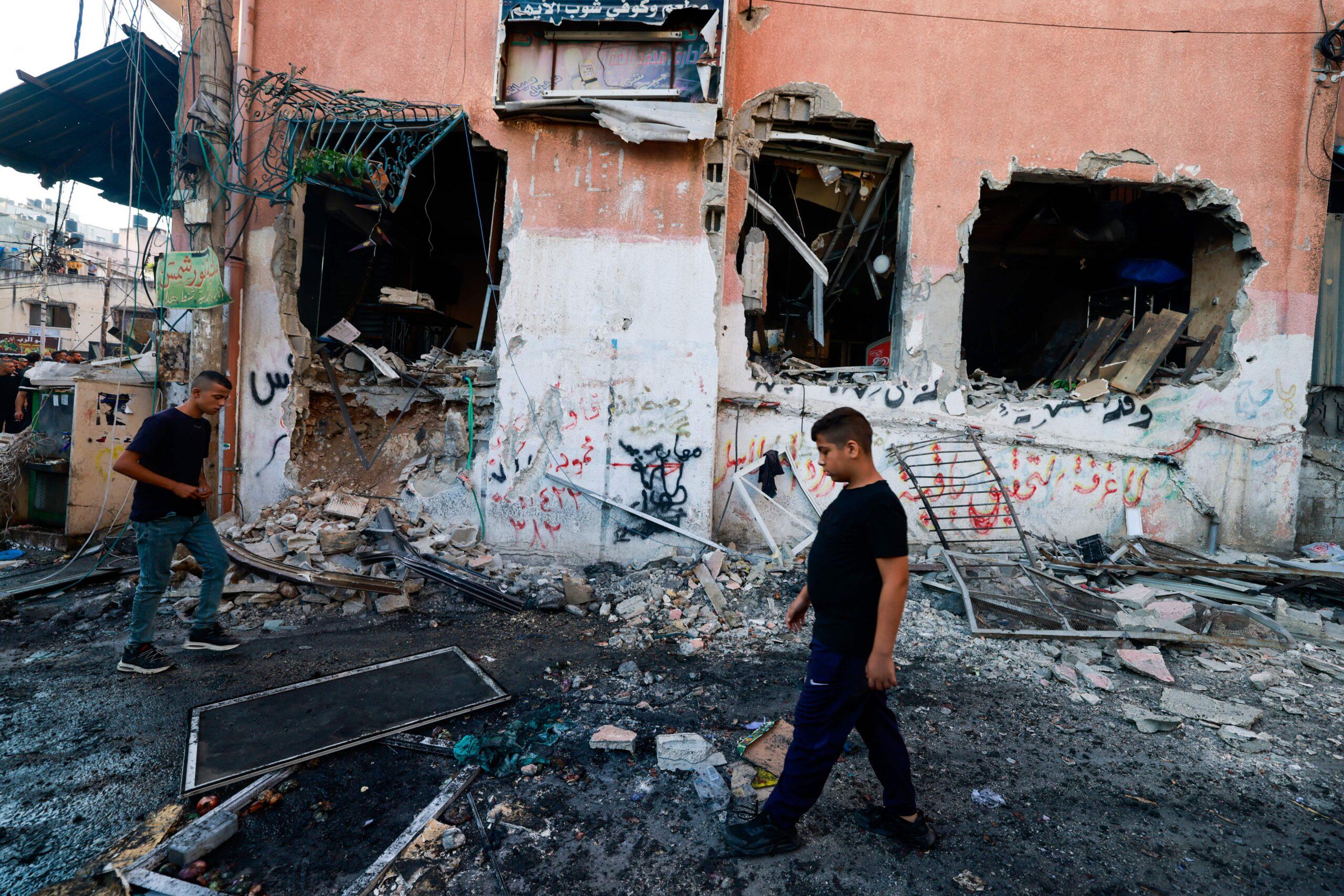
Eunews quotes Kallas saying, “Una forte maggioranza dei Paesi membri è a favore della revisione dell’articolo 2 del nostro accordo di associazione” with Israel, explaining that Article 2 ties EU-Israel relations to respect for human rights.
The same outlet says Kallas’s predecessor, Josep Borrell, had tried to follow a request from Spain and Ireland, but “sbattere sulle resistenze delle altre capitali,” and it describes an earlier strategy shift that involved convening an association council “celebrato lo scorso 20 febbraio 2025” without results.
Euractiv FR adds that nine EU states are urging Brussels to end trade with Israeli settlements, with the initiative coming ahead of “EU foreign ministers” discussing “la revisione dell’EU–Israel Association Agreement” led by Kaja Kallas, and it notes the letter is dated “this Monday, June 16.”
Il Post ties the sanctions debate to the association agreement’s Article 2, saying the sanctions were proposed due to Israel’s failure to respect “the principles of a treaty signed in 1995 and in force since 2000,” and it lists “illegal settlements in the West Bank” alongside the Gaza ceasefire and siege.
Across these accounts, the association agreement is treated as the legal and political hinge: Eunews says the EU is “procederà a una revisione,” Euronews says the EU will keep “10 opzioni” “sul tavolo,” and Il Post says the vote was postponed due to lack of unanimity.
Voices: Kallas, unions, NGOs
The debate inside Europe is accompanied by sharp, competing voices that frame what the EU should do next.
“The Commission should suspend the association agreement with Tel Aviv and end trade relations with settlements in the occupied territories”
Euronews quotes Kaja Kallas saying, “Israele deve compiere passi più concreti per migliorare la situazione umanitaria sul campo,” while also insisting, “L’obiettivo non è punire Israele, ma migliorare la situazione a Gaza,” and it adds that ambassadors will update compliance “ogni due settimane.”
In contrast, Il Post describes the sanctions push as backed mainly by “Spain, Ireland and Slovenia,” while other EU countries pushed to postpone any decision, highlighting the internal split around timing and unanimity.
The trade-union bloc is pressing for immediate action: Collettiva says the Commission should suspend the association agreement and “end trade relations with settlements in the Palestinian territories occupied,” and it quotes the letter’s demand that the EU adopt “immediate sanctions” starting with “the suspension of the EU-Israel Association Agreement.”
FLC CGIL similarly urges “immediate sanctions, including the suspension of the EU–Israel Association Agreement,” and it quotes the unions’ view that “The time for warnings and declarations is over: the EU must intervene decisively and immediately.”
Amnesty International Italia, Oxfam Italia, and COSPE also frame the issue as a trade and legal obligation, urging Italy and the EU to “interrompere ogni relazione commerciale con gli insediamenti illegali israeliani,” and it cites the International Court of Justice requirement that states “astenersi dall’instaurare con Israele trattative economiche o commerciali” concerning occupied territories.
Ouest-France describes French and British-Canadian leaders warning Israel on May 19, 2025, saying they “promised that they would not stand idly by,” and it quotes Jean-Noël Barrot threatening to suspend an association agreement, while also noting that the statement “does not specify what these concrete measures might look like.”
What sanctions exclude
Even as the EU discusses sanctions and association agreement measures, Il Fatto Quotidiano and Other outlets describe what is left out and how the scope is constrained.
Il Fatto Quotidiano says the Commission proposed a sanctions package where “l’obiettivo non è punire Israele ma migliorare la situazione a Gaza,” and it names Itamar Ben-Gvir and Bezalel Smotrich as included in the package “oltre ai ministri israeliani estremisti.”

The outlet also says the proposal includes measures on trade but that “dubbi non mancano,” because “tra queste non c’è nulla che colpisca gli insediamenti illegali in Cisgiordania e l’export di armi dall’Europa verso lo Stato ebraico.”
It further describes the legal mechanics: the proposal aims to suspend “una parte – ‘la più significativa’ – del trattato commerciale tra l’Ue e Israele,” which it says equals “il 37% del volume totale,” and it quantifies the trade impact as “circa 227 milioni di euro all’anno.”
Il Fatto Quotidiano adds that in 2024 the EU imported goods from Israel worth “16 miliardi di euro,” with “Il grosso riguarderà i prodotti agricoli,” and it says the services portion is “rimasta essenzialmente sulla carta.”
On the funding side, it reports that Dubravka Šuica announced “14 milioni di euro di fondi già stanziati per il periodo 2020-2024,” specifying that “4,3 milioni di euro sono stati contrattualizzati” and “9,4 milioni di euro rimangono non contrattualizzati,” and it says the Commission would not proceed with new joint actions or contracts “Fino a nuovo avviso.”
The outlet also explains why arms are not targeted by this association agreement package, stating “il settore delle armi non sarà toccato dalla proposta della Commissione” because it is covered by the WTO framework and mentions a “clausola di confidenzialità.”
Economic stakes and next steps
The sources portray the EU’s Gaza-related policy debate as inseparable from economic stakes, with multiple outlets quantifying the scale of trade and investment and warning that the EU’s leverage is limited by legal thresholds and political bargaining.
“Nine EU member states critical of Israel are calling on the European Commission to end trade with Israeli settlements located in the occupied Palestinian territories”
The Guardian says the EU is “Israel’stop trading partner, most popular travel destination and a vital source of research funding through the multi-billion dollar Horizon programme,” and it quotes Martin Konečný saying, “Now the discussion about leverage and pressure is back on the table.”
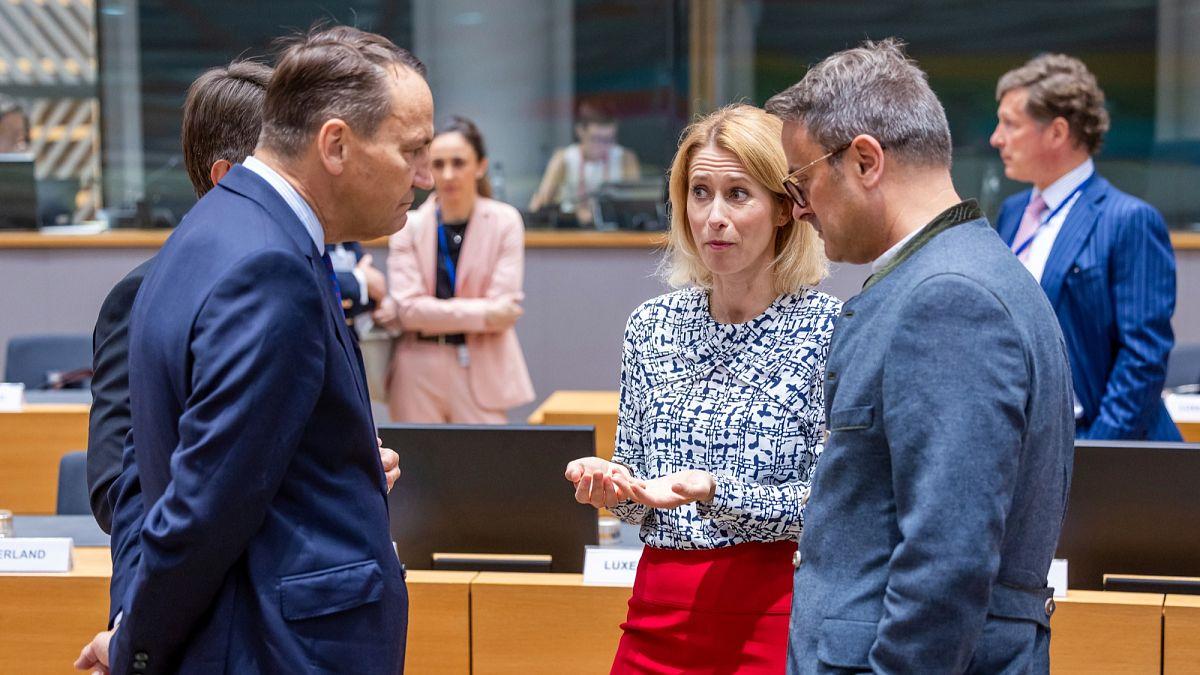
Other outlets quantify the economic relationship in more detail: Altreconomia reports that with “72,1 miliardi di euro nel 2023” the EU is the “più importante investitore in Israele,” and it says the EU’s direct foreign investment in Tel Aviv is “quasi doppio” the United States’ “39,2 miliardi.”
Altreconomia also says that in 2024 export to Israel “è persino cresciuto di un miliardo di euro,” and it provides additional trade figures, including that the EU is Israel’s first commercial partner for “42,6 miliardi di euro,” compared with “31,6 miliardi” for the United States and “19,3” for China.
Euractiv FR similarly notes that the EU remains Israel’s leading trading partner, with “42.6 billion euros of trade last year,” while Amnesty International Italia says Italy in 2024 exchanged goods and services for “oltre 4 miliardi di euro.”
The Guardian connects these stakes to political constraints, stating that freezing all or part of the EU-Israel association agreement would require support from “either Germany or Italy,” because it must have the backing of a “qualified majority” of at least “15 member states” representing “65% of the EU’s population,” and it says an attempt to halt trade provisions “last September” never passed that threshold.
Looking ahead, Euronews says ambassadors will update compliance “ogni due settimane” and that the EU will keep the “10 opzioni” “sarà pronta ad agire se Israele non terrà fede ai suoi impegni,” while Il Post says the vote was postponed due to lack of unanimity.
More on Gaza Genocide
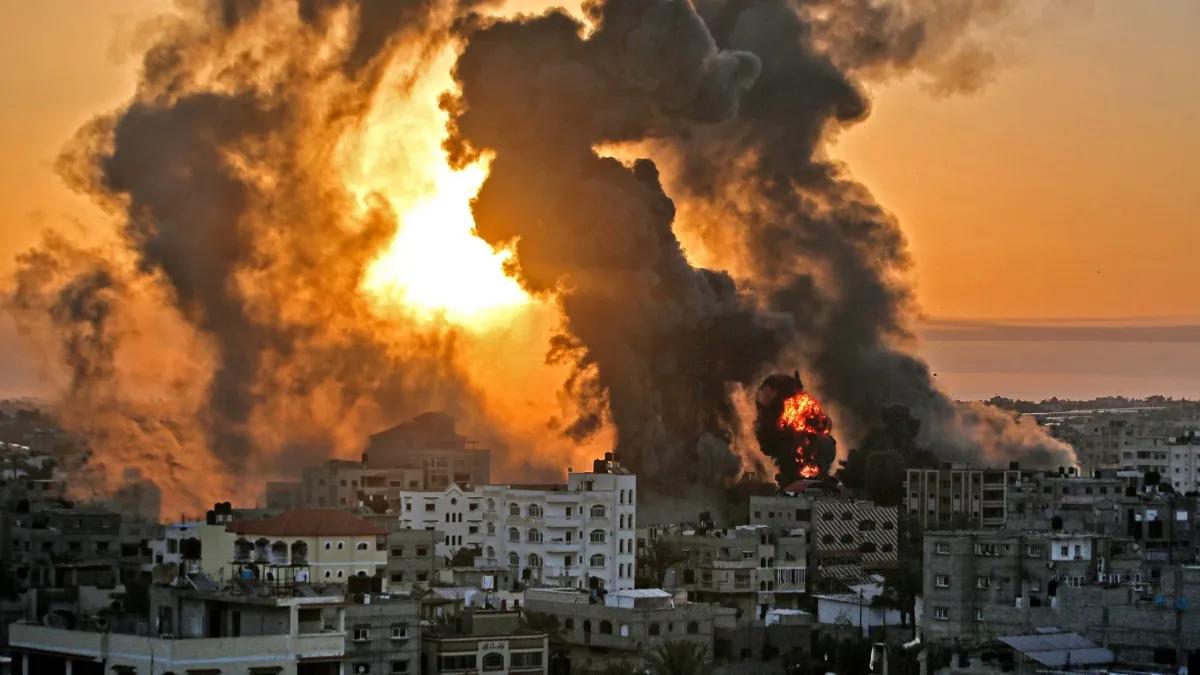
Israeli Attacks Push Gaza Death Toll to 72,551, Injuries Reach 172,274
10 sources compared
UNICEF Outraged After Israeli Forces Kill Two Water Truck Drivers in Northern Gaza
19 sources compared
Trump’s Gaza Peace Council Talks Paused After US-Iran War Breaks Out
10 sources compared

Trump Announces 10-Day Israel-Lebanon Ceasefire to Enable Security and Peace Talks
31 sources compared