
Trump Announces 10-Day Israel-Lebanon Ceasefire to Enable Security and Peace Talks
Key Takeaways
- Trump announced a ten day ceasefire between Israel and Lebanon to enable lasting security talks.
- Trump invites Israeli and Lebanese leaders to Washington for follow-up peace talks.
- Ceasefire tied to broader US Iran talks and potential progress in that diplomacy.
Ceasefire announced, terms contested
Israel and Lebanon announced a 10-day ceasefire to allow negotiations for a more permanent security and peace agreement to continue, with the truce announced by United States President Donald Trump on Thursday and coming into effect at 21:00 GMT, according to Al Jazeera.
“Israel and Lebanon have announced a 10-day ceasefire to allow negotiations for a more permanent security and peace agreement to continue”
CBS News said the 10-day truce took effect at 5 p.m. Thursday, and described it as a pause in fighting between Israel and the Hezbollah militant group.

The U.S. State Department statement cited by CNBC said the two countries “will work to create conditions conducive to lasting peace between the two countries, full recognition of each other's sovereignty and territorial integrity, and establishing genuine security along their shared border,” while preserving Israel’s “inherent right to self-defense.”
Al Jazeera reported that under the terms of the ceasefire agreement, Israel will “preserve its right to take all necessary measures in self-defence”, while not carrying out “any offensive military operations,” and that Israel can exercise this right “at any time, against planned, imminent, or ongoing attacks.”
Trump framed the announcement as a “historic day,” writing on Truth Social, “May have been a historic day for Lebanon. Good things are happening.”
The ceasefire’s political and military boundaries were immediately contested in the reporting: CBS News said it remained unclear whether Israel and Hezbollah would completely stop strikes, and that Israel would keep troops occupying a stretch of southern Lebanon.
In parallel, the BBC reported that the Lebanese army warned people displaced from southern Lebanon about returning home because of intermittent shelling that was reported after the ceasefire came into effect.
Negotiations, diplomacy, and demands
The ceasefire was presented as a bridge to negotiations, but multiple outlets described different tracks and different actors’ roles in shaping them.
Al Jazeera said the direct negotiations to discuss a truce between Israeli and Lebanese officials in Washington on Tuesday did not include Hezbollah, because “The Lebanese armed group had opposed the ceasefire talks.”

CNBC said Trump planned to invite Israeli Prime Minister Benjamin Netanyahu and President Joseph Aoun of Lebanon to the White House for “the first meaningful talks between Israel and Lebanon since 1983.”
The Guardian said the ceasefire was to be followed by a meeting between Israeli and Lebanese leaders next week, in a deal hoped to bring progress toward a parallel peace agreement between the US and Iran.
Axios reported that the U.S. had been pressing for a ceasefire between Israel and Lebanon while working in parallel on a potential peace deal with Iran, and said the Lebanese government was caught off guard by Trump’s post.
The Times of Israel said Netanyahu defended accepting the 10-day US-brokered ceasefire with Hezbollah, framing it as a strategic opening for diplomacy and continued military pressure.
It also reported that Netanyahu said Israel was “giving an opportunity to advance a combined diplomatic and military solution with the Lebanese government,” while Hezbollah signaled it remained on high alert hours after the ceasefire began.
CBS News added that an Israeli official told CBS News the country agreed to only respond to “imminent threats from Hezbollah,” leaving open how Hezbollah would respond and whether Lebanese armed forces could quell the group.
Hezbollah posture and Israeli framing
Hezbollah’s posture toward the ceasefire was described as cautious and conditional, while Israeli leaders framed the truce as compatible with continued pressure.
Al Jazeera quoted Hezbollah politician Ali Fayyad saying the group would approach the ceasefire with “caution and vigilance” and that any targeting of Lebanese sites by Israeli forces will constitute a breach of the truce.
Al Jazeera also reported that Israel demanded the Lebanese government disarm Hezbollah, which refuses to give up its arms as long as Israeli forces remain on the ground in Lebanon and pose a threat to the country.
The Times of Israel said Netanyahu defended the decision to accept the ceasefire while insisting the campaign against Hezbollah was “far from over,” and warned that further action was planned against remaining rocket and drone threats.
Netanyahu told a televised speech, “We have an opportunity to make a historic peace agreement with Lebanon,” while adding that Israel would maintain a 10km (6.2-mile) “security zone” along the border in southern Lebanon, according to The Guardian.
Trump’s own messaging was presented as a warning to Hezbollah, with Al Jazeera quoting him on Truth Social: “I hope Hezbollah acts nicely and well during this important period of time. It will be an GREAT moment for them if they do,” and “No more killing. Must finally have PEACE!”
The Times of Israel reported that Hezbollah signaled it remained on high alert hours after the ceasefire began, saying its fighters were keeping their “finger on the trigger” in the event of Israeli violations.
CBS News described the ceasefire as “mostly intact” early Friday but still uncertain, and said the Lebanese army posted on social media that there had been “a number of violations of the agreement, with several Israeli attacks recorded.”
In a separate thread, the BBC said the Lebanese state had very little control over Hezbollah, and that a Hezbollah member of the Lebanese parliament, Hassan Fadlallah, attributed the deal to “Iranian diplomatic efforts” and said Hezbollah would respect the truce as long as Israel remained committed to halting all forms of hostilities.
Displacement, violations, and what comes next
Even as gunfire celebrations were reported, the ceasefire’s immediate human impact remained uncertain, with displaced families weighing whether to return to southern Lebanon.
Al Jazeera said that after the ceasefire was announced on Thursday, celebratory gunfire was heard in Beirut as the truce began, but it also reported that displaced people in downtown Beirut told Al Jazeera they didn’t trust the Israelis to uphold the ceasefire and would wait before returning to their homes – if they have homes to return to at all.
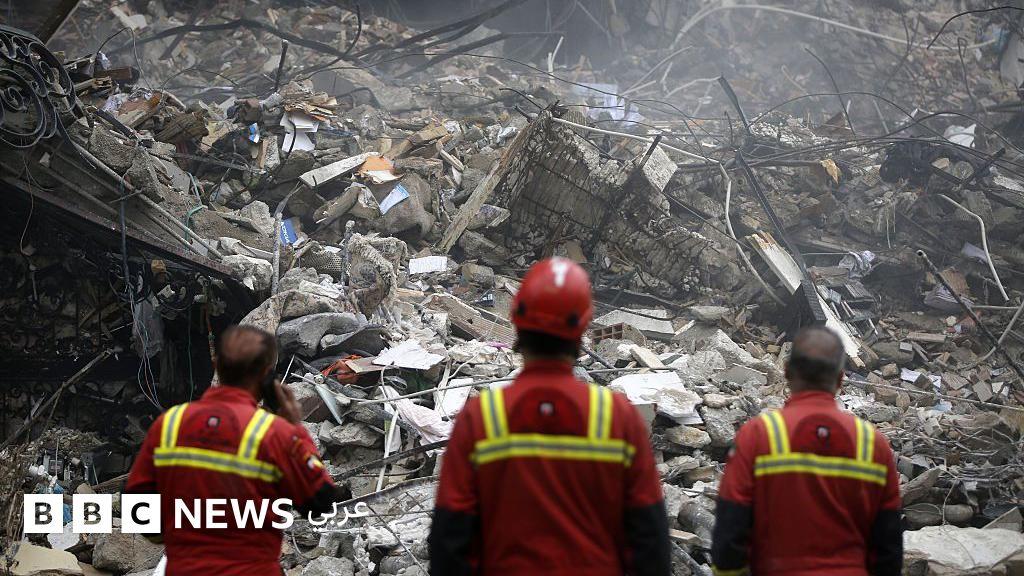
CBS News said displaced families began moving toward southern Lebanon and Beirut's southern suburbs despite warnings by officials not to attempt to return to their homes until it became clear whether the ceasefire would hold.
The BBC reported that the Lebanese army warned people displaced from southern Lebanon about returning home because of intermittent shelling that was reported after the ceasefire came into effect.
Al Jazeera said that on Friday morning, Lebanon’s army reported several ceasefire violations by Israeli forces, and CBS News similarly said the Lebanese army posted on social media that there had been “a number of violations of the agreement, with several Israeli attacks recorded, in addition to intermittent shelling targeting a number of villages.”
The Guardian said the terms of the ceasefire, as provided by the US state department, prohibit Israel from offensive military actions in Lebanon but appear to leave more room for “self-defense,” including “against planned, imminent, or ongoing attacks.”
The Guardian also tied the Lebanon ceasefire to parallel negotiations aimed at a US-Iranian peace agreement, describing a conflict begun by a US-Israeli attack on Iran on 28 February and subject to a two-week Pakistani-brokered ceasefire that expires on 22 April.
The BBC’s press roundup added that the Guardian editorial described Israel carrying out “100 air raids within ten minutes” after a ceasefire announcement mediated by Pakistan, and said reports indicated more than 2,100 people were killed, including at least 172 children, and thousands wounded.
In the same BBC roundup, the Guardian editorial argued that Lebanon was dragged into the crisis by Trump’s “unlawful” war on Tehran and said the American president was trying to rein in Netanyahu but “it seems there are limits to his attempts.”
More on Gaza Genocide
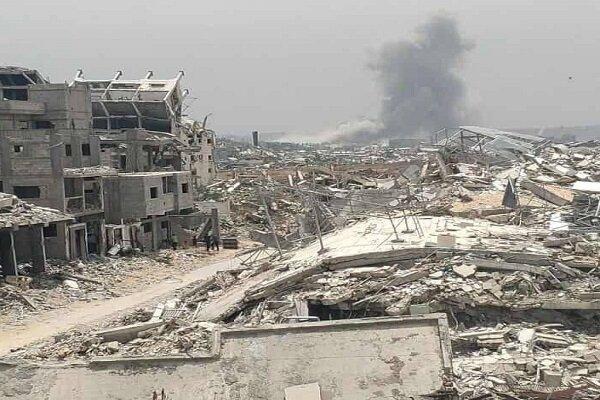
UNICEF Outraged After Israeli Forces Kill Two Water Truck Drivers in Northern Gaza
19 sources compared
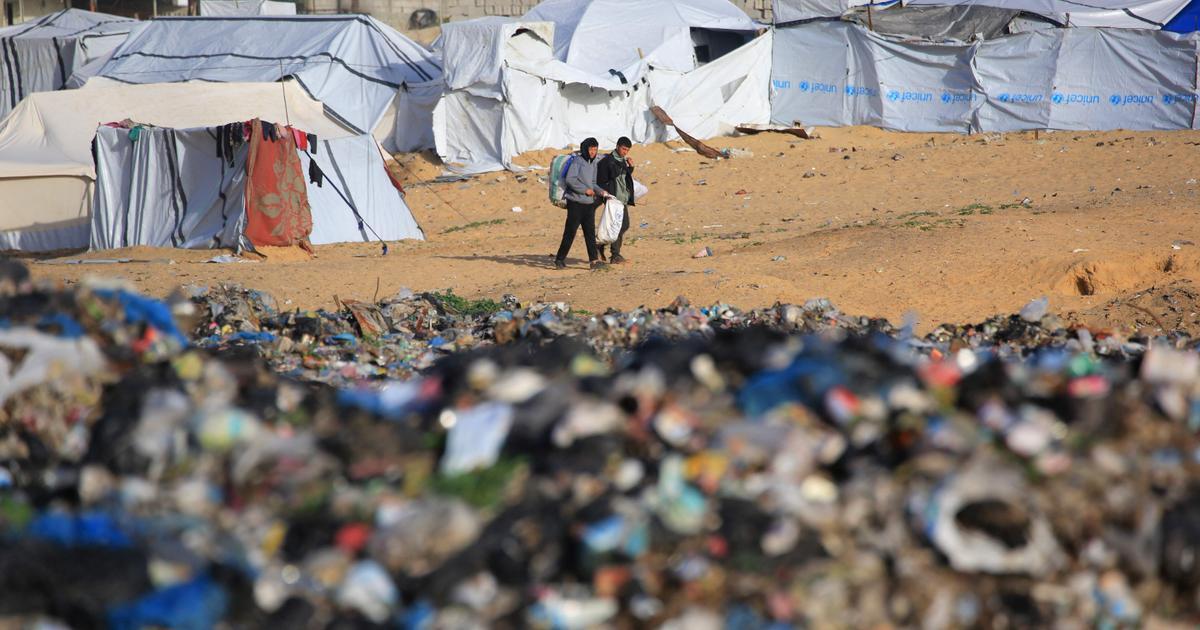
Trump’s Gaza Peace Council Talks Paused After US-Iran War Breaks Out
10 sources compared
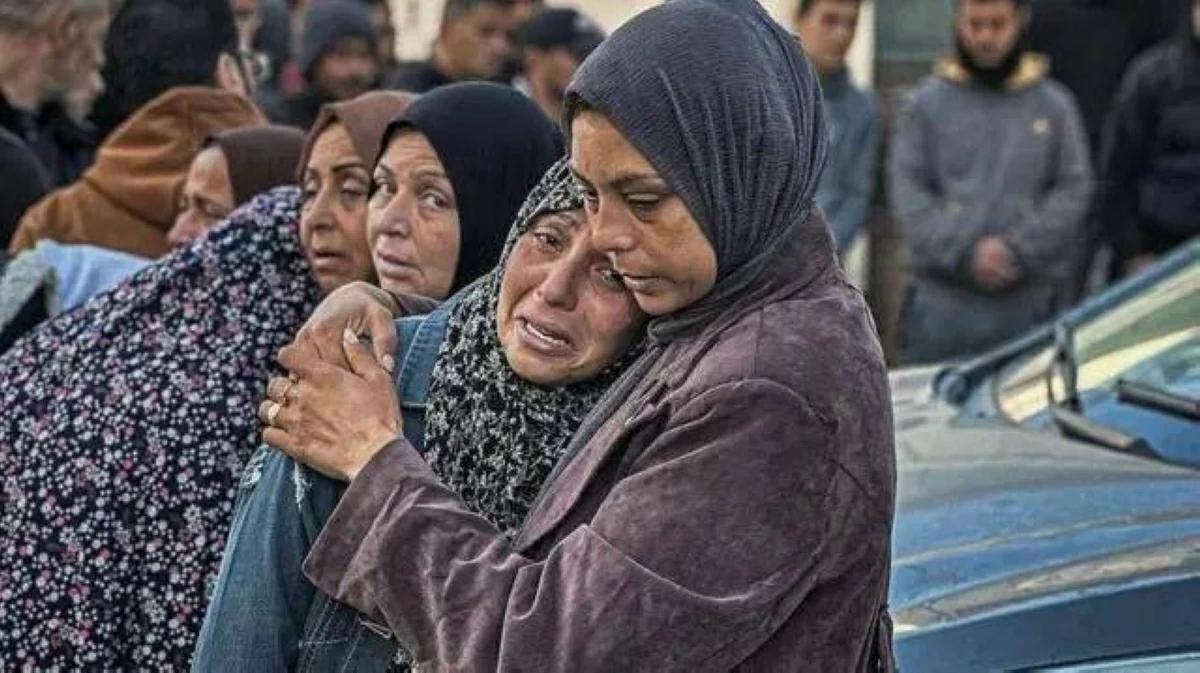
UN Women Says Israeli Air Bombardment Killed Over 38,000 Women And Girls In Gaza
23 sources compared
Palestinian Rights Group Warns of Unprecedented Escalation in Abuses Against Detainees in Israeli Prisons
11 sources compared