Gaza Genocide18 April, 20266 min read
Trump’s Gaza Peace Council Talks Paused After US-Iran War Breaks Out
This article is an automated aggregation of coverage from news outlets. Our editorials offer in-depth analysis curated by the NewsCord team.
Palestinian Governance Committee (15) began Cairo meeting to administer Gaza under Trump's Peace Council. Hamas praises Trump's peace plan; Gaza authorities welcomed with caution.
The Jerusalem Post was read line by line by the Watchdog: 3.9. See the score →
Gaza peace plan meets war
Talks aimed at moving forward with President Donald Trump’s plan to end the Israeli war on the Gaza Strip have been paused since last week, according to three knowledgeable sources cited in الشرق. The pause began when the US‑Israeli war against Iran broke out, and the sources said the stoppage threatens to derail the implementation of Trump’s Middle East initiative, described as one of his foreign policy objectives. The same article says Trump’s Gaza plan partly depends on whether Hamas will surrender its weapons, a move intended to pave the way for reconstruction and further Israeli withdrawal, and it adds that White House mediators have worked to conduct secret contacts between Israel and Hamas on disarmament.
In contrast, a White House official denied any halt to the talks, saying that “disarmament discussions are ongoing and positive.” Another source with direct knowledge of the Trump Peace Council mission described the pause as “a short and slight delay due to flight disruptions that prevent mediators and representatives from traveling in the region.” The Israeli government did not issue any immediate comment, while an official in Hamas confirmed that talks on Trump’s plan for Gaza have been frozen for the time being but refused to provide further details.
Disarmament is the hinge
The disarmament question is central to how the Gaza ceasefire framework is supposed to move from one phase to another, and it is also where Hamas and Israel’s positions collide. In The Jerusalem Post, Hamas rejected the US-led Board of Peace’s disarmament plan for the terror group and asked the board to make modifications to it, with the BoP’s high representative Nickolay Mladenov and three other mediators present, according to a source told to the outlet. The Jerusalem Post also reports that a senior Palestinian official familiar with the talks accused Mladenov of pro-Israel bias while speaking to the BBC, and it says the official accused Israel of not yet fulfilling its obligations of Phase I of the ceasefire deal.
The outlet quotes a senior Hamas official telling the BBC, “We are waiting for Mladenov to provide a clear timetable for Israel to fulfill the remaining obligations of Phase I,” and it adds that Hamas would not participate in Phase II negotiations until Israel does so. The Jerusalem Post says Israel has withdrawn from populated areas of the Gaza Strip to positions east of the Yellow Line, increased the amount of aid entering the area, and maintains that movement on the terror group’s disarmament is needed before further progress can be made on its side. It further states that the BoP’s disarmament plan was first passed to Hamas during meetings in Cairo last month, following the Trump administration’s Middle East envoy Steve Witkoff's announcement of Phase II in mid-January.
Peace Council and governance
While the disarmament dispute stalls progress, other parts of Trump’s Gaza framework are described as moving into new institutional arrangements, including a Peace Council and a transitional governance structure.
In RTBF, the Palestinian Governance Committee for the Gaza Strip began its first meeting in the Egyptian capital, and the report says the committee is made up of 15 Palestinian figures and is to administer provisionally the Palestinian territory under the control of a Peace Council led by Donald Trump.
RTBF also quotes Trump’s Truth Social post: “It is with great honor that I announce that the Peace Council has been formed. The list of Council members will soon be revealed,” and it says the American president reminded that he had personally committed to pushing his peace plan forward in twenty points.
The same report describes the committee as “a technocratic committee” and includes reactions from named analysts, including Michel Liégois, who said that “The fact of moving forward in the formation of the two bodies that will have to manage Gaza is an essential element that allows progress toward a real peace plan beyond the ceasefire.”
RTBF also includes a caution from Didier Billion, who said, “I fear that this announcement is unlikely to substantially change the everyday concrete life of the people who are still in Gaza in terrible conditions.”
RTBF further identifies Ali Shaath, a civil engineer and former senior Palestinian official, as the person chosen to lead the fifteen-expert transitional committee tasked with rebuilding the Gaza Strip, and it quotes Shaath saying, “In seven years, Gaza will be back and in better shape.”
Caution, bureaucracy, and daily life
Franceinfo frames the Peace Council initiative as welcomed with caution, emphasizing that its powers and institutional maze are unclear and that Hamas and Israeli bombing continue.
The outlet says the Peace Council was presented as an alternative to the United Nations and had been envisioned to administer the enclave temporarily, while also stating that “according to its charter, its powers are now broader.”

Franceinfo reports that the American president is due to officially launch the Peace Council on Thursday, January 22, and it says France and the United Kingdom should not be part of it, while Saudi Arabia, Turkey, Egypt, and Israel accepted the U.S. offer.
It quotes Hassan Nasrallah, a lawyer at the center of the enclave, saying, “I am in favor of anything that can relieve the suffering of our people,” and it adds, “Whoever wants to take power is welcome. Even Trump! At least we will be rid of those who currently control us.”
The report also quotes Faisal Abdallah, a political science researcher, saying, “From an operational point of view, it could work,” while concluding that “politically, I don’t think that this national committee administered by the United States fits into our project of emancipation.”
In Courrier international, Zvi Barel in Ha’Aretz is cited describing a process of transferring Hamas’ civil administration to the executive expected to succeed Hamas, while noting that an unofficial document serves as a passport.
Humanitarian stakes and the ceasefire
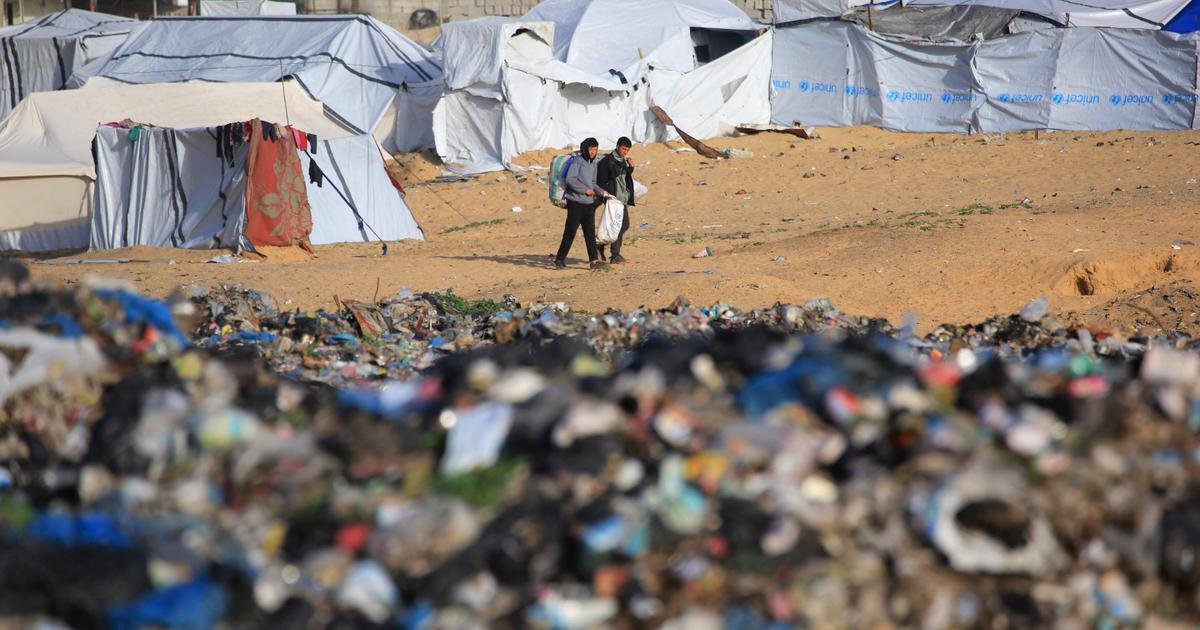
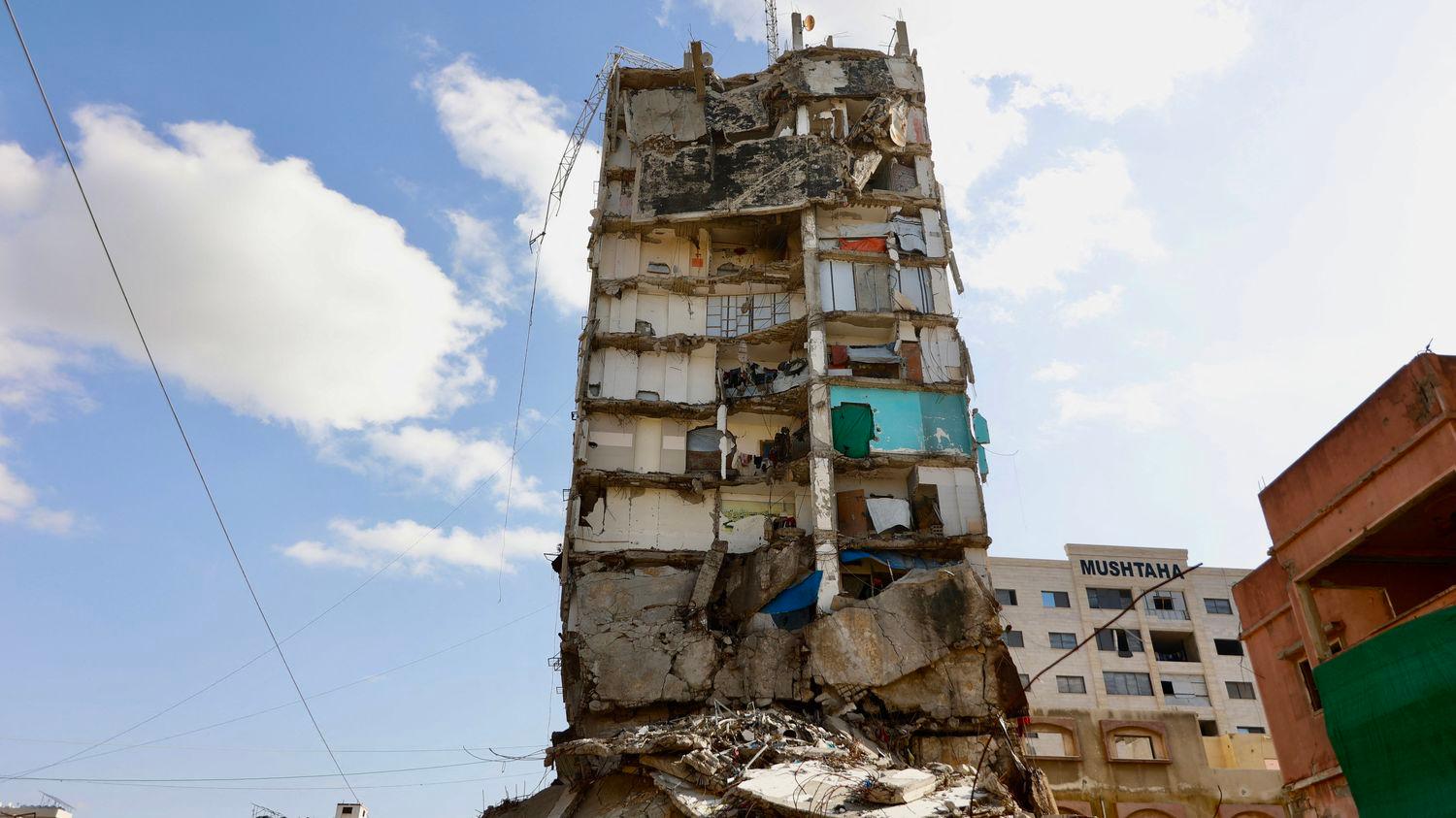
The stakes of the Gaza negotiations are described in humanitarian terms, with multiple sources linking the ceasefire’s fragility to ongoing violence, restrictions, and destruction. CCFD-Terre Solidaire says that two months after the ceasefire between the Israeli state and Hamas came into effect on October 10, 2025, the situation remains volatile and the conditions of the plan do not guarantee durable long-term peace. The outlet says the Trump plan calls for an immediate ceasefire, the return of hostages, the demilitarization of the Gaza Strip, and the deployment of an “international stabilization force,” and it describes Gaza as “drained, starved, and rubble-strewn from the bombed buildings.”
It quotes Antonio Guterres, United Nations Secretary-General, saying he was “deeply concerned by these ongoing violations,” largely from Israel, and it states that in two months “at least 350 more people have been killed by the Israeli army.” CCFD-Terre Solidaire also says that in August 2025 the UN officially declared the famine situation in Gaza, describing it as used as a weapon of war by Israeli authorities who imposed a near-total blockade of humanitarian aid. It adds that only two access points, “south and center,” can be used by humanitarian convoys and that Israeli authorities have imposed drastic restrictions on NGOs, with major humanitarian organizations still denied entry into the territory.