
Full story
Life Without Parole
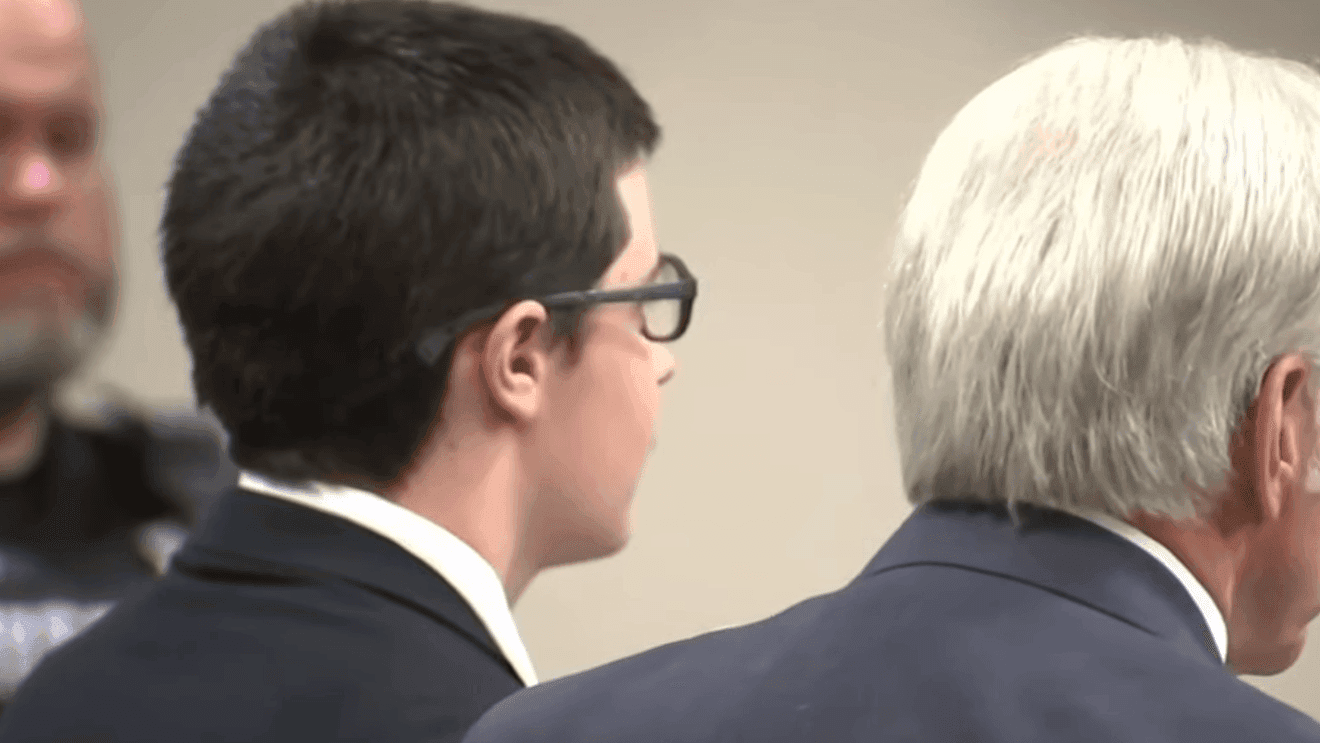
A judge sentenced 16-year-old Colt Gray to life without parole for the Sept. 4, 2024 shooting at Apalachee High School in Georgia that killed two students and two teachers and wounded another teacher and eight more students.
Barrow County Superior Court Judge Nicholas Primm said, "You do not seem to be tormented by what you did. You seem to relish following in the footsteps of the murderers you idolize," as he imposed the sentence after Gray pleaded guilty to 55 counts on Friday.

District Attorney Brad Smith had urged the court to deny any chance of parole, arguing that Gray "cannot be in society" and that the crimes were deliberate and contemplated evil.
The sentencing followed three days of testimony that included victim impact statements and testimony from investigators, Gray’s grandmother, and a forensic psychologist who had evaluated Gray.
Idolizing the True Crime
Prosecutors said investigators testified that Gray idolized mass shooters and talked about them online with other members of the “true crime community,” a group of young people online fascinated with such attacks.
District Attorney Brad Smith told the court that Gray’s motive was to be famous within the True Crime Community, saying, "the ultimate goal of all of his actions and his underlying motive was to be famous."
The defense attorney W. Charlton Allen argued that Gray was “not irretrievably broken,” and told the judge that allowing parole would give him “an opportunity of hope.”
Investigators also testified that Gray directed his mother to look up what people were saying about him online and reacted to “fan art” drawings and comments about him.
Victims, Family, and Aftermath
Victims and family members asked Primm to impose the maximum sentence, with Shayna Aspinwall describing “a life sentence of grief and trauma for those left behind.”
Primm said, "The slain will not return to life. The injured will not forget their wounds," and added that a 16-year-old would "live and die in prison."
After the sentence, Smith told reporters, "This is not a happy day. This is a relief day, I would say," and said he hoped his team had “done honor” to the victims and their loved ones.
The case also included testimony about Gray’s background, including that his maternal grandmother Debbie Polhamus said she had urged his parents to get him help but they didn’t follow through, and that she visits him once a week at a youth detention center.