Full Analysis Summary
Village 32 returnee attacks
Community representatives reported that armed elements linked to local “popular resistance” groups and the Sudan Shield militia blocked displaced residents attempting to return to Village 32 in the Rahad Agricultural Scheme, El Gezira state.
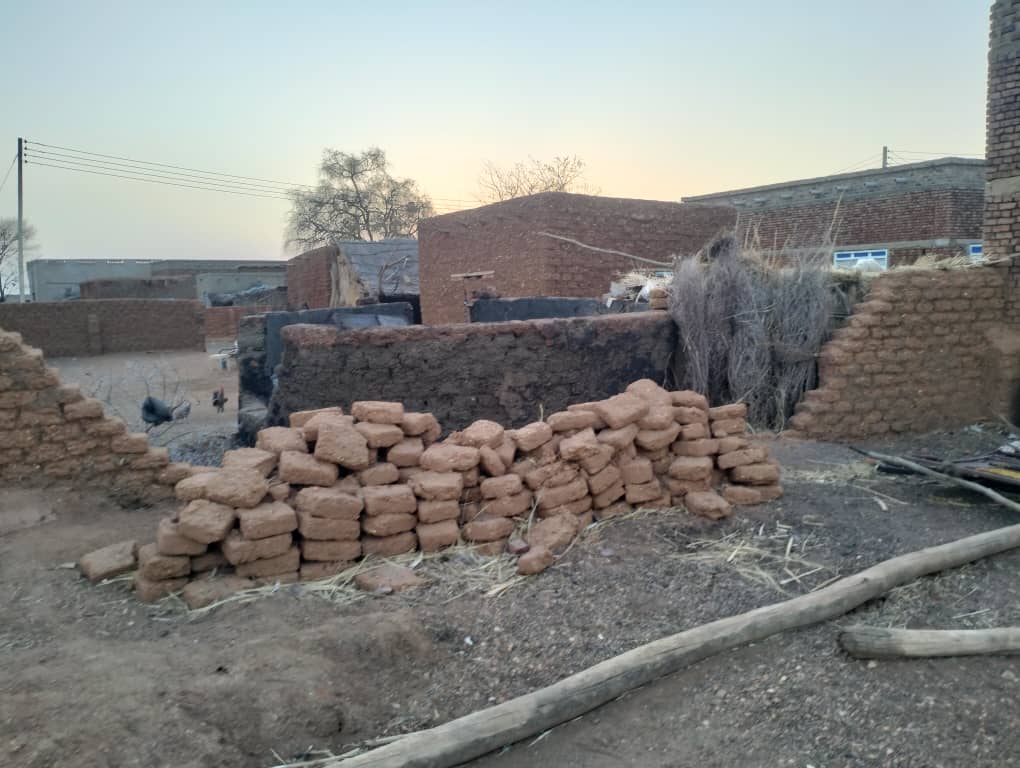
They said returnees were met with gunfire and forced to withdraw after finding homes — vacated about three years earlier — destroyed.
The representatives reported that some assailants carried heavy weapons, including RPGs and heavy artillery, and that the group withdrew only after intervention by an Um Algura locality security committee force.
Reports also state that the southern neighbourhood had been deliberately flooded and other houses demolished.
Radio Dabanga and Dabanga Radio TV Online both relay these claims and identify the Sudan Shield as led by Abu Aqla Keikel, noting he and a popular resistance leader are subject to EU and other sanctions.
Coverage Differences
Unique Coverage
Both sources (Radio Dabanga and Dabanga Radio TV Online, both classified as “Other”) report the same set of claims from community representatives and a Kanabi Central Committee spokesperson (Jaafar Mohamedin). There is no substantive divergence in the facts they present; both "report" the same allegations about gunfire, destroyed homes, heavy weapons, flooding, demolition and the Um Algura security committee intervention.
Weapons, impact, and response
A community spokesman quoted said assailants were armed with heavy weapons, explicitly including RPGs and artillery, which the reports say prevented returns and contributed to the destruction and abandonment of residences.
Both pieces attribute these weapon descriptions to Mohamedin's account and note that the attackers only pulled back after a local security committee intervened, while neither source provides independent verification beyond those community statements.
Coverage Differences
Narrative Framing
Both Radio Dabanga and Dabanga Radio TV Online frame the weaponization claim as a direct quote or report from Jaafar Mohamedin rather than as independently verified facts. Each source uses language that signals reporting of a spokesperson’s account (e.g., "told Radio Dabanga", "said"), which indicates they are relaying claims rather than asserting independently confirmed events.
Property destruction and claims
Both reports emphasise the scale of property destruction and displacement.
The communities attempting to return had been vacated around three years earlier, and returning villagers found houses completely destroyed.
The reports also relay claims that a southern neighbourhood was intentionally flooded to prevent returns and that other houses were demolished, and note these allegations are presented as statements by local representatives rather than independently corroborated facts.
Coverage Differences
Missed Information
Neither source offers independent on-the-ground verification, and both rely on the same local spokesperson (Jaafar Mohamedin). As a result, potential corroborating perspectives (e.g., government, militia, humanitarian agencies) are absent from both reports; this is a shared omission across Radio Dabanga and Dabanga Radio TV Online.
Sanctions and blocked returns
Both articles place the allegation in the wider context of the Sudan Shield militia’s leadership and sanctions status.
They identify Abu Aqla Keikel as the leader and note that he and an associated popular resistance leader "are subject to EU and other sanctions."
The pieces link the reported actions blocking returns to a leader who is already the focus of international sanctions, presenting the community claims alongside that broader legal context.
Coverage Differences
Tone
The two sources maintain a factual, reportorial tone and consistently present the sanctions detail as contextual information; neither source editorialises the claim, and both quote or report the sanctions status in the same manner. This consistent framing across both "Other" type sources means there is no significant tonal divergence to highlight between them.