USA07 November, 20252 min read
Congress Blocks Shutdown Deal as FAA Forces Airlines to Cut Up to 20% of Flights
This article is an automated aggregation of coverage from news outlets. Our editorials offer in-depth analysis curated by the NewsCord team.
Government shutdown has lasted over 36 days, causing widespread federal service disruptions. FAA mandated flight reductions starting at 4%, escalating to 20% if shutdown continues.
27 outlets told this the same way.
Outlets did split on Trump Interrupted by Protesters at San Antonio Rally for Ken Paxton →
Impact of Government Shutdown on Aviation
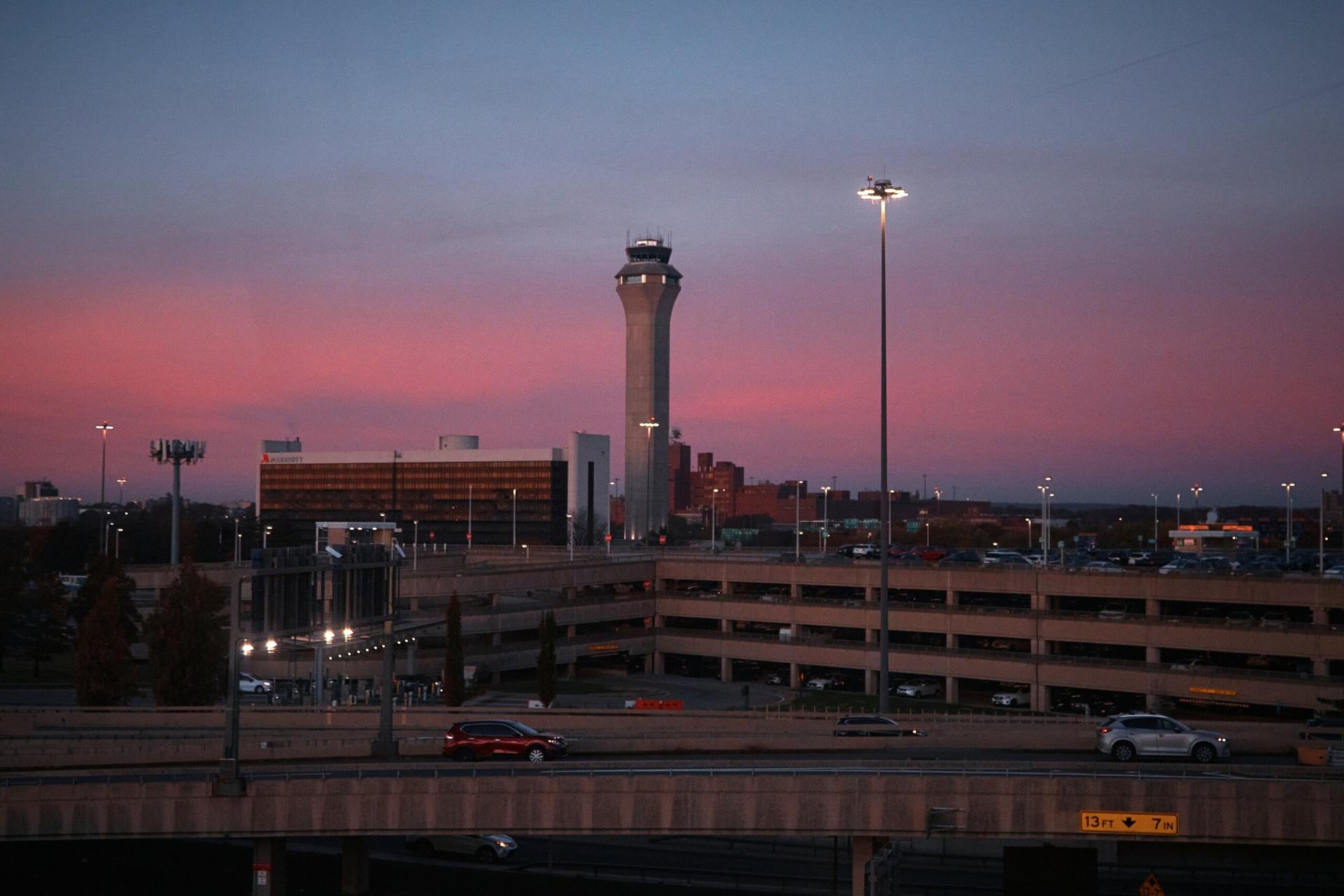
With Capitol Hill still deadlocked, federal funding remains frozen and the FAA has moved to cap traffic at 40 major airports. The cap starts with a 4% cut and will rise to 10% by mid-November. There are warnings that reductions could reach 15–20% if the shutdown persists.
“Starting with a 4% cut at 40 major airports... flight reductions are set to increase to 10% by mid-November, potentially reaching 15-20% cancellations.”
Transportation Secretary Sean Duffy warned airlines may need to cut up to 20% of flights due to unpaid air traffic controllers and security screeners causing capacity constraints. The Senate is unlikely to vote on reopening the government soon, keeping negotiations stalled. This prolongs what several outlets describe as the longest shutdown in U.S. history, counted at 36 to 38 days depending on the source.

Flight Disruptions and Delays
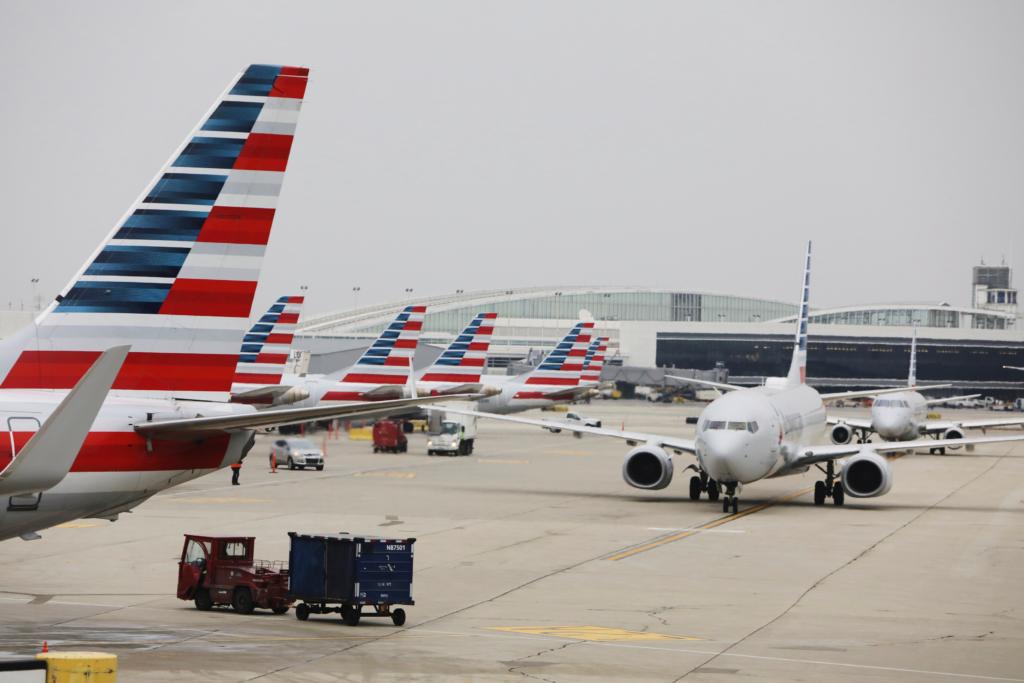
Operational fallout has already hit passengers. The Guardian reported over 800 flights canceled by Friday morning. Devdiscourse counted over 5,300 delayed flights and 700 cancellations that same day.
El País tallied over 200 cancellations on a typical Friday, with spikes during bad weather. NBC News described a ground stop at San Francisco International with nearly 50 delays and over 40 cancellations. Some outlets warn the disruption could balloon toward 1,800 daily cancellations and hundreds of thousands of seats affected if staffing shortages persist.
Airline Schedule Changes and Policies
Airlines are adjusting schedules and customer policies. United is canceling more than 100 flights daily from November 7 to 9 and offering refunds even on Basic Economy tickets. Southwest and American are waiving change fees in affected markets.
“United Airlines will reduce flights starting November 7... cancel over 100 flights daily... offering refunds even for non-refundable and Basic Economy tickets... Southwest... allowing fee-free changes... American... waiving change fees.”
Delta is allowing penalty-free changes and expects to operate most flights, including international ones, largely as scheduled. The industry group A4A urged Congress to reopen the government and pay federal workers to restore normal operations. Reroutes and rolling cancellations are focusing on domestic corridors and peak daytime hours.
Airspace Capacity and Political Debate
Officials insist capacity caps are about safety, not politics. Authorities in El País stress cancellations are safety measures, not politically motivated. Aerospace Global News says the FAA is intentionally reducing airspace capacity as a precautionary safety measure and warns airlines to promptly refund customers.
NBC News quotes Secretary Duffy explaining gradual reductions from 4% to 10% to ease pressure. By contrast, Fox News reports the White House blamed Democrats for the disruption. Devdiscourse notes the administration is pressuring Democrats, underscoring a partisan cross-fire even as safety remains the official rationale.
Government Shutdown Impacts
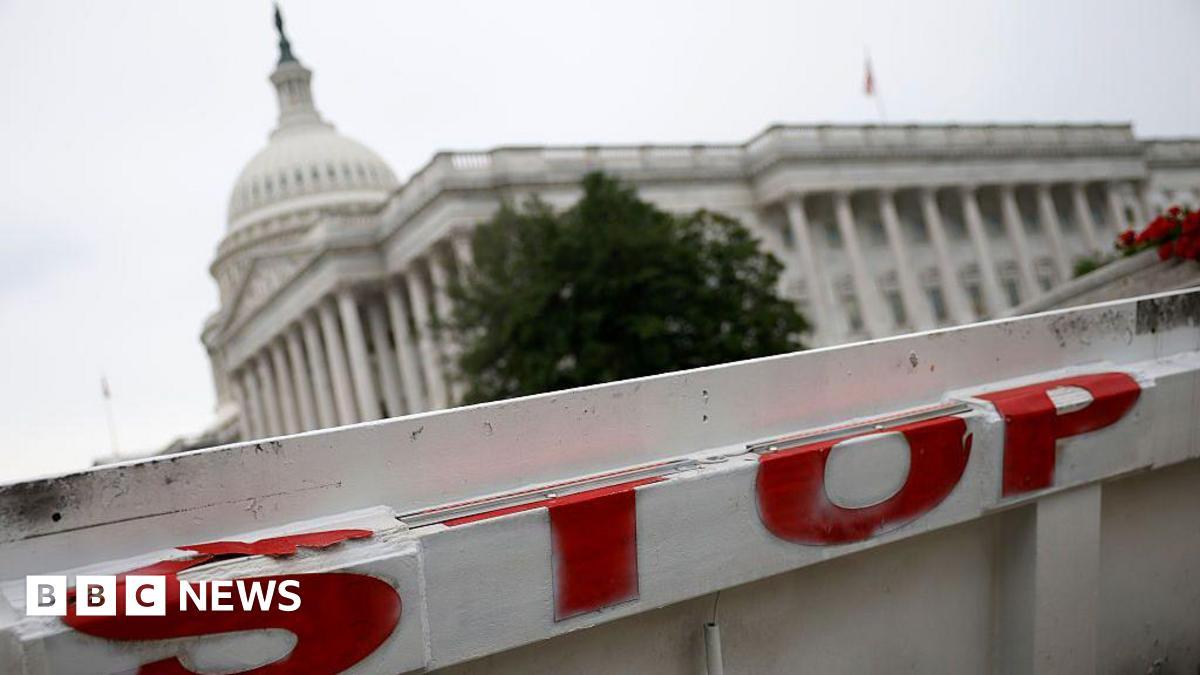
The broader fallout extends beyond airports as Congress remains paralyzed. CNN reports the administration filed an emergency Supreme Court appeal to block a ruling requiring full food stamp benefits, calling the lapse “a crisis caused by Congress.” CNN also details Red Cross responders struggling to reach disaster sites amid flight disruptions.
“It began on October 1 due to Congress's failure to agree on funding... low-income Americans relying on SNAP food assistance face reduced benefits despite a court order to use contingency funds for payments.”
BBC says SNAP benefits have been reduced despite a court order to use contingency funds and attributes the shutdown to Congress’s failure to agree on funding. El País estimates about 42 million people rely on public food assistance.
Novinite reports that President Trump threatened to cut SNAP unless the government reopens. ABC7 WWSB underscores the political stalemate over health‑care subsidies and the filibuster, with Senate leaders calling it the longest and most severe shutdown.