Asia14 January, 20262 min read
Construction Company Collapses Crane Onto Passenger Train in Thailand, Killing 22
At least 22 people were killed A construction crane collapsed onto a moving passenger train, derailing coaches and triggering a fire
36 outlets told this the same way.
Outlets did split on Avalanche Strikes Himlung Himal Base Camp In Nepal, At Least 10 Missing →
Sikhio crane-train collision
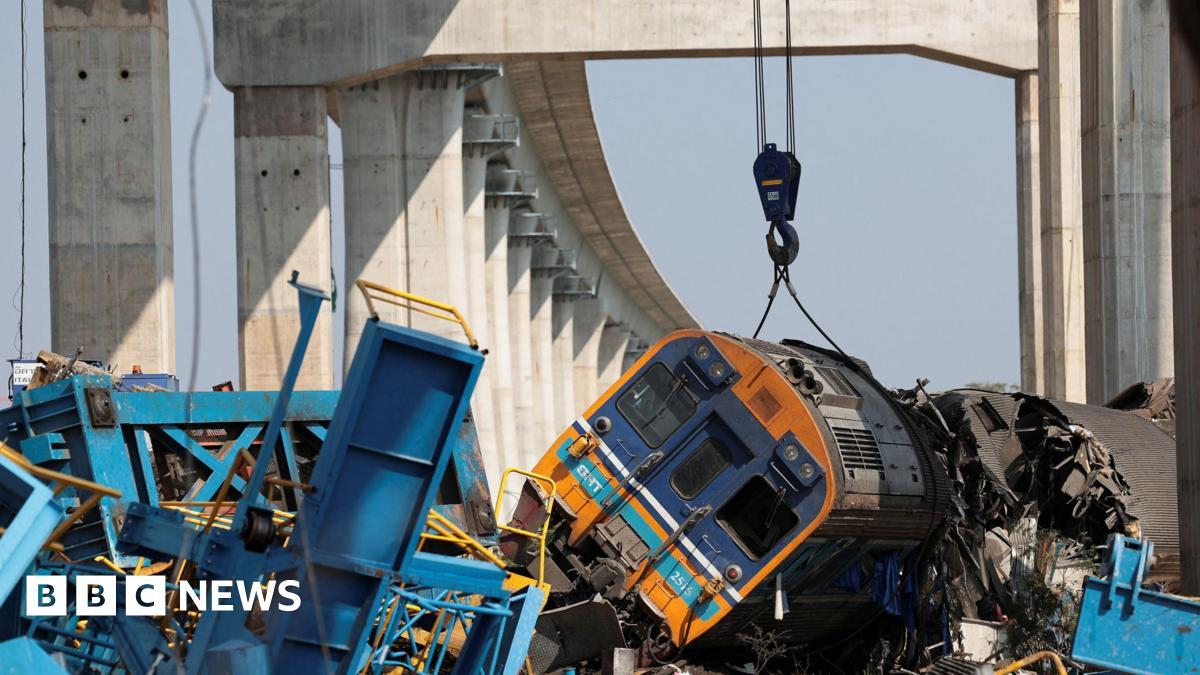
Early on the morning of 14 January 2026, a large construction crane working on an elevated high-speed rail project collapsed onto a moving passenger train in Sikhio district, Nakhon Ratchasima province, about 230 km northeast of Bangkok. The Bangkok-to-Ubon Ratchathani service, carrying around 195 passengers and crew, was struck at about 9:00–9:05 a.m., derailed and briefly caught fire. Authorities reported at least 22 people killed and dozens injured as rescue teams worked at the scene.
“At least 22 people were killed and dozens injured after a large construction crane collapsed onto a moving passenger train in northeastern Thailand on Wednesday morning.”
Transport officials and emergency services were deployed to the wreckage, and ministers and investigators arrived to verify casualty figures and open inquiries into the collapse. This account synthesizes multiple contemporaneous reports that describe the same basic sequence of events, but casualty and injury counts are still evolving as rescues continue.

Train crash aftermath
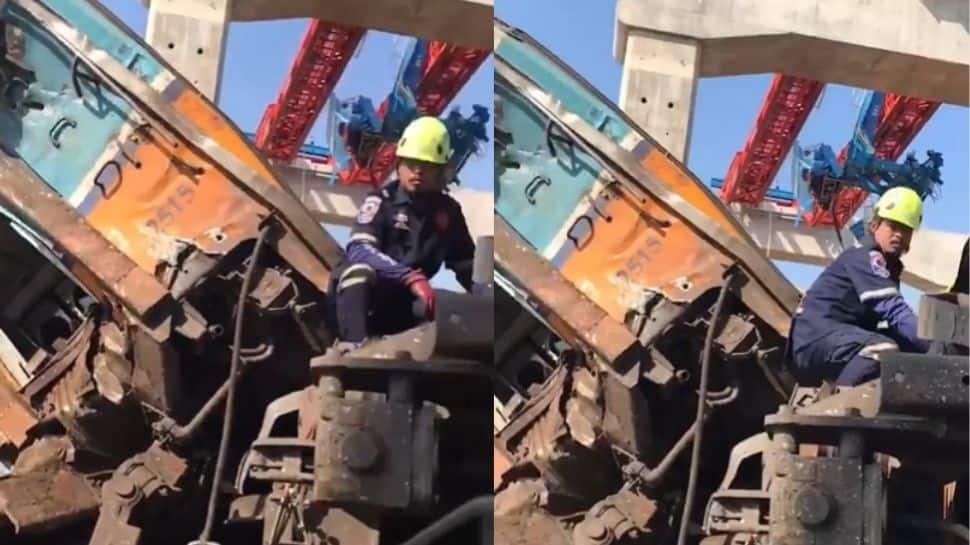
Rescue teams cut through twisted metal and used heavy equipment to free trapped passengers after a crane struck and sliced through carriages. Firefighters extinguished a brief blaze and ambulances took the wounded to nearby hospitals. Multiple outlets report that several carriages derailed and that those killed were concentrated in two of the three carriages hit.
Witnesses described loud noises, explosions and the sight of mangled coaches. Authorities warned that casualty figures could rise as recovery operations continued and as hospitals accounted for more patients and fatalities.

Rail construction accident coverage
The crane was part of a major rail construction project that multiple outlets described as China-backed. Reports differ on the project's scale and on who the responsible contractors were. Several commentators used the accident to raise broader safety concerns about construction near active rail lines.
“The accident occurred at a site for a $5.4 billion, China-backed high-speed line intended to link Bangkok to Kunming, China, via Laos — a project critics say highlights recurring safety and enforcement problems at Thai industrial and construction sites.”
Some articles describe the line as a multi-billion dollar China-backed high-speed scheme intended to link Bangkok to China via Laos. Other reports note the affected section appears to have been built by a Thai contractor and cite ongoing criticism of enforcement and safety in Thai industrial projects.
Evolving casualty reporting
Published figures and descriptions vary across outlets: while several mainstream and regional sources consistently cited 'at least 22' fatalities and dozens injured, others reported later updates raising the toll to 25–27 or gave higher injury totals (about 79–80) depending on hospital reports and evolving searches. Local and tabloid sources also supplied vivid survivor testimony and lists of specific injuries, while official briefings emphasized that casualty numbers were provisional. The differing numbers and emphases reflect the fluid nature of an active rescue and recovery operation and illustrate how outlet type (mainstream, tabloid, regional, or international) shapes immediate coverage.
Crane collapse investigation
Thai authorities have launched formal investigations. Transport and government ministers were reported at the site, the Governor of the State Railway of Thailand was summoned, and officials ordered full inquiries into safety procedures and the crane's collapse.
“Authorities have launched a full investigation into the crane collapse, safety procedures at the construction site and possible mechanical failure or miscommunication, and have summoned the Governor of the State Railway of Thailand to oversee inquiries.”
China's foreign ministry said it was concerned about safety, and some reports noted past legal action over related incidents that add context to questions about contractor oversight and enforcement. Officials and media repeatedly warned that initial figures and causes were provisional pending technical inquiries.