China30 April, 20266 min read
Convicted Harvard Scientist Charles Lieber Leads China’s i-BRAIN Lab in Shenzhen
This article is an automated aggregation of coverage from news outlets. Our editorials offer in-depth analysis curated by the NewsCord team.
Charles Lieber leads Shenzhen-based i-BRAIN brain-computer interface lab. The lab operates within a Chinese government-backed neuroscience program.

Lieber’s Shenzhen return
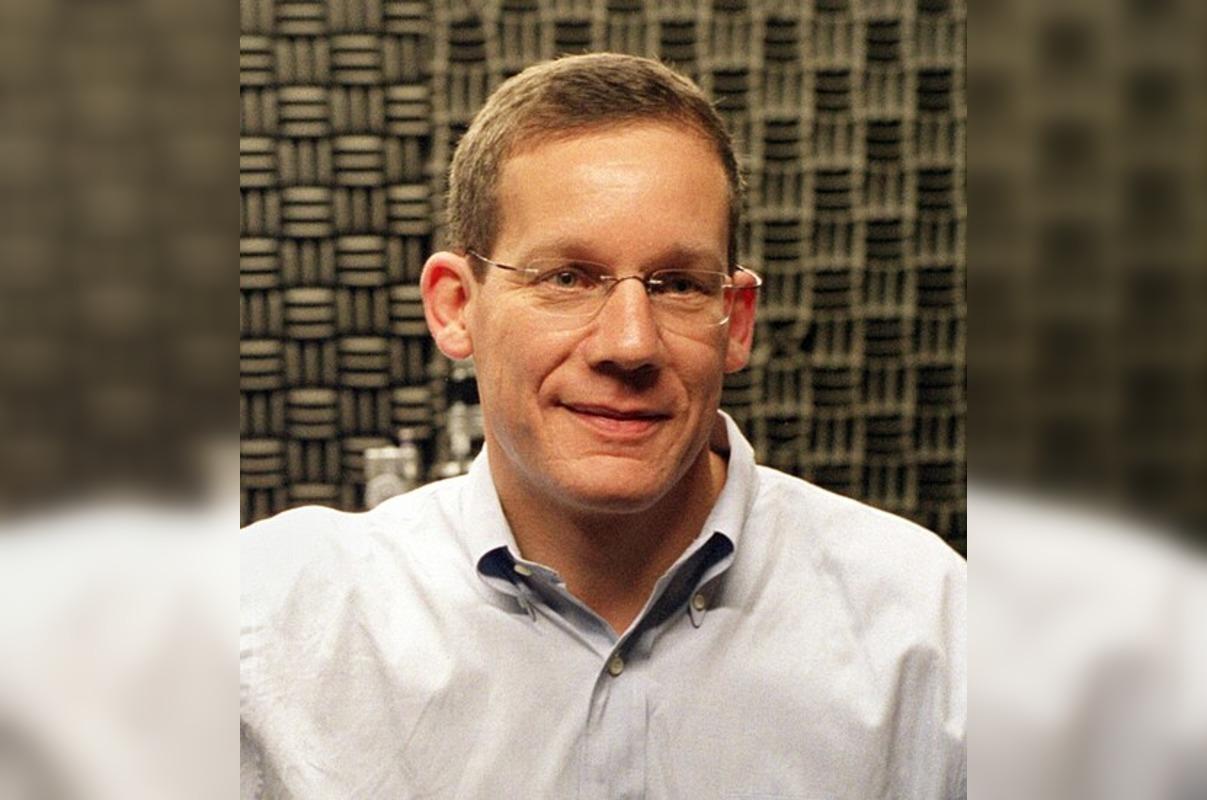
Charles Lieber, a 67-year-old former Harvard University professor convicted in the United States for lying about financial ties to China, has resurfaced in Shenzhen where he is leading China’s state-backed i-BRAIN brain-computer interface lab. Multiple outlets tie his move to the Shenzhen Medical Academy of Research and Translation (SMART), describing i-BRAIN as an initiative focused on embedding electronics into the human brain. WION reports that Lieber said at a Shenzhen conference, “I arrived on April 28, 2025, with a dream and not much more, maybe a couple of bags of clothes,” and added, “Personally, my own goals are to make Shenzhen a world leader.”
Reuters is referenced by several publications as the basis for reporting that Lieber’s lab has access to dedicated nanofabrication equipment and primate research infrastructure unavailable to him at Harvard. The lab is described as operating within SMART, with i-BRAIN positioned as part of a broader ecosystem funded by government investment.
Geo News similarly frames Lieber’s return as a “dramatic turnaround” for a figure convicted in America, now overseeing brain-computer interface systems technology designed to translate brain activity into digital commands. In Taipei Times, the technology is described as having shown promise in treating conditions such as amyotrophic lateral sclerosis and restoring movement in paralyzed people, while also raising questions about future medical and military uses.
Conviction and sentencing
The reporting ties Lieber’s Shenzhen leadership to a specific U.S. legal history involving false statements and tax-related offenses connected to payments from Chinese institutions.
WION says Lieber was convicted in 2021 of making false statements to US authorities regarding payments linked to Chinese institutions, as well as tax-related offenses, and that he served a short prison term followed by house arrest and was fined.

Taipei Times adds that he was found guilty by a jury and convicted in December 2021 of making false statements to US federal investigators about his ties to a Chinese state program to recruit overseas talent and tax offenses related to payments he received from a Chinese university.
It further states that he served two days in prison and six months under house arrest, and was fined US$50,000 and ordered to pay US$33,600 in restitution to the US Internal Revenue Service.
Yalibnan and Hoodline both describe the same core sentence structure, with Yalibnan quoting the defense’s claim that he was suffering from an incurable lymphoma, which was in remission, and fighting for his life.
Hoodline, citing a U.S. Department of Justice press release, specifies that Lieber was sentenced in April 2023 to time served (two days), two years of supervised release that included six months of home confinement, a $50,000 fine and $33,600 in restitution.
Geo News also states that Lieber was found guilty of lying about his ties to the Chinese state program to recruit overseas talent and spend two days in prison and six months under house arrest.
What the lab is building
The sources describe i-BRAIN as a research effort aimed at translating brain activity into digital commands and enabling communication between the human brain and machines. Geo News says Lieber now oversees work on brain-computer interface (BCI) systems technology designed to translate brain activity into digital commands that can control external devices such as robotic systems or computers. It also says the project’s description frames the lab as developing non-invasive and advanced neural interface systems aimed at enabling communication between the human brain and machines.
Taipei Times similarly describes the Chinese government priority as embedding electronics into the human brain and states that the technology has shown promise in treating conditions such as amyotrophic lateral sclerosis and restoring movement in paralyzed people. WION adds that the project operates under China’s push in neurotechnology and artificial intelligence and that it is designed to accelerate research in neural interfaces that can potentially restore movement in paralyzed patients.
Hoodline adds operational details, stating that i-BRAIN’s website notes the lab took delivery of a deep ultraviolet lithography machine made by ASML in February, and that the institute says the equipment will speed fabrication of high density neural probes. In addition, WION and Geo News both emphasize that the initiative is state-backed and positioned within a broader ecosystem funded by government investment, with the lab described as having access to advanced semiconductor equipment and large-scale primate research infrastructure.
Dual-use debate and officials
The sources repeatedly frame i-BRAIN and Lieber’s return as part of a wider debate over medical promise versus potential military applications. WION says the project is “designed to accelerate research in neural interfaces, which can potentially restore movement in paralyzed patients but also raise military concerns,” and it quotes a former US intelligence official saying, “China has weaponized against us our own openness and our own efforts for innovation.” Taipei Times adds that the technology has potential military applications and says “Scientists at the Chinese People’s Liberation Army have investigated brain interfaces as a way to engineer super soldiers by boosting mental agility and situational awareness, according to the US Department of Defense.”
Geo News similarly describes global debate over how far advanced neurotechnology could go in the future of medicine and warfare, and it notes that U.S. officials have previously warned that such technologies could have dual-use implications. Hoodline and Arise News both emphasize the dual-use framing by describing tensions between academic openness and national security controls over dual use technologies and by noting concerns among U.S. security analysts.
Taipei Times also includes a direct quote from Glenn Gerstell, a nonresident senior adviser at the Washington-based Center for Strategic and International Studies, saying, “China has weaponized against us [the US] our own openness and our own efforts for innovation,” and adding, “They’ve flipped that and turned it around against us, and they’re taking advantage of it.” Across the accounts, Chinese officials are described as not responding to questions about development of brain-computer interfaces, while SMART and i-BRAIN are also described as not replying to requests for comment about their research and recruitment of Lieber.
What happens next
The sources describe the stakes as revolving around technology transfer controls, scientific openness, and whether i-BRAIN’s work moves toward human trials. WION says the situation has renewed debate in Washington over scientific openness, technology transfer, and national security risks tied to advanced research moving between the US and China. Geo News says Lieber’s return to active research marks a dramatic turnaround and that the development comes amid growing U.S.-China competition over advanced technologies, including artificial intelligence, quantum systems, and neuroengineering.
“Lieber, through an assistant, declined an interview request, citing ‘current commitments.’”
Taipei Times frames the case as showing how U.S. safeguards on technology with potential military uses have not kept pace with Chinese government efforts to acquire it, and it quotes Glenn Gerstell’s assessment of how China has “weaponized” U.S. openness. Hoodline lays out “What to watch next” in terms of whether U.S. agencies tighten export or personnel controls, whether i-BRAIN publishes translational results that move toward human trials, and whether universities and funders re assess collaborations with research centers embedded in state led innovation hubs.

Yalibnan adds that Reuters reports for the first time that Lieber’s lab has access to dedicated primate research facilities and chip-making equipment, and it places the lab within an ecosystem of state-backed institutions bankrolled by billions of dollars in government funding. Across the accounts, SMART and i-BRAIN are described as not replying to requests for comment, while Lieber declined interview requests citing “current commitments,” leaving the next steps largely tied to policy decisions and future publications rather than new statements from the lab itself.