
COP28 Agreement In Dubai Phases Out Coal, Oil, And Gas Despite Developing Countries’ Concerns
Key Takeaways
- Nearly 200 countries agreed to phase out coal, oil, and gas.
- Loss and Damage Fund will aid vulnerable countries, but disbursements are delayed.
- Developing countries express disappointment over weaknesses and lack of detail.
COP28 deal and disputes
Nearly 200 countries reached an agreement at COP28 in Dubai to phase out burning coal, oil, and gas, but the BBC said the outcome worries developing countries because it is “largely a deal or no deal.”
“The heated COP28 negotiations culminate in an agreement that worries developing countries”
The BBC reported that the 198 participating countries must agree on a declaration or depart empty-handed, after an initial draft text sparked outrage and dismay over missing provisions on the phased withdrawal from fossil fuels.
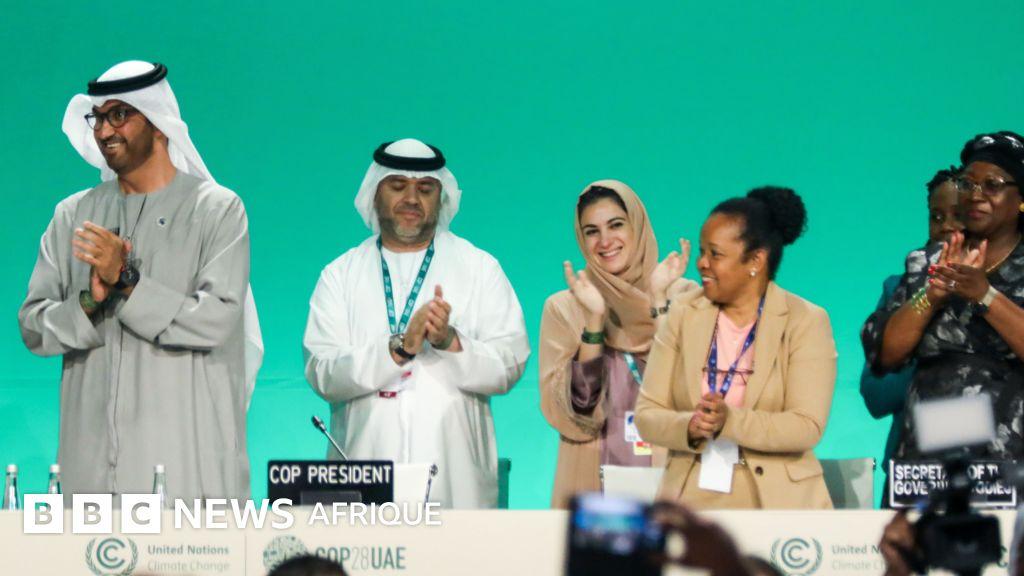
The BBC also said oil-producing countries such as the United Arab Emirates pressed for greater emphasis on carbon capture technologies, while countries like Bolivia and Samoa were concerned the agreement does not require developed countries to take the lead in the transition away from fossil fuels.
Nafkote Dabi, head of climate policy at Oxfam International, told the BBC the outcome was “crudely inadequate,” and the BBC said COP28 did not put money on the table to help developing countries transition to renewable energy.
The BBC added that COP28 brought together more than 100,000 delegates, negotiators, lobbyists, members of royal families, and climate-change lawyers from around the world to discuss climate issues and share lessons learned from innovations in climate change.
African negotiators split
At the end of COP28 in Dubai on Wednesday, December 13, 2023, tv5monde described a scene with COP28 President Sultan al-Jaber and the UAE’s chief negotiator Hana Al-Hashimi, alongside UNFCCC Executive Secretary Simon Stiell.
tv5monde said the agreement adopted by consensus calls for a “transition” away from fossil fuels “in order to achieve carbon neutrality by 2050,” and it also calls for tripling renewable energy capacity and doubling the pace of improvement in energy efficiency by 2030.
Chad’s chief negotiator Hindou Oumarou Ibrahim told tv5monde, “I find it very difficult to be satisfied with a compromise agreement,” while tv5monde reported that Sena Alouka of the Togolese NGO Jeunes Volontaires pour l’Environnement described the mood as “very mixed feeling.”
tv5monde quoted Sena Alouka saying, “There cannot be an energy transition if it is not fair, just, and especially if it is not funded,” and it said he argued the Dubai consensus contained “no financing pledge” for countries not responsible for global warming.
tv5monde also included Benin negotiator Maimouna Adamou’s complaint that “Ending the COP by telling us we will not exit fossil fuels but move toward a transition is like pretending to make decisions,” while she said she welcomed the mention of fossil fuels in the final text.
Loss and damage funding fight
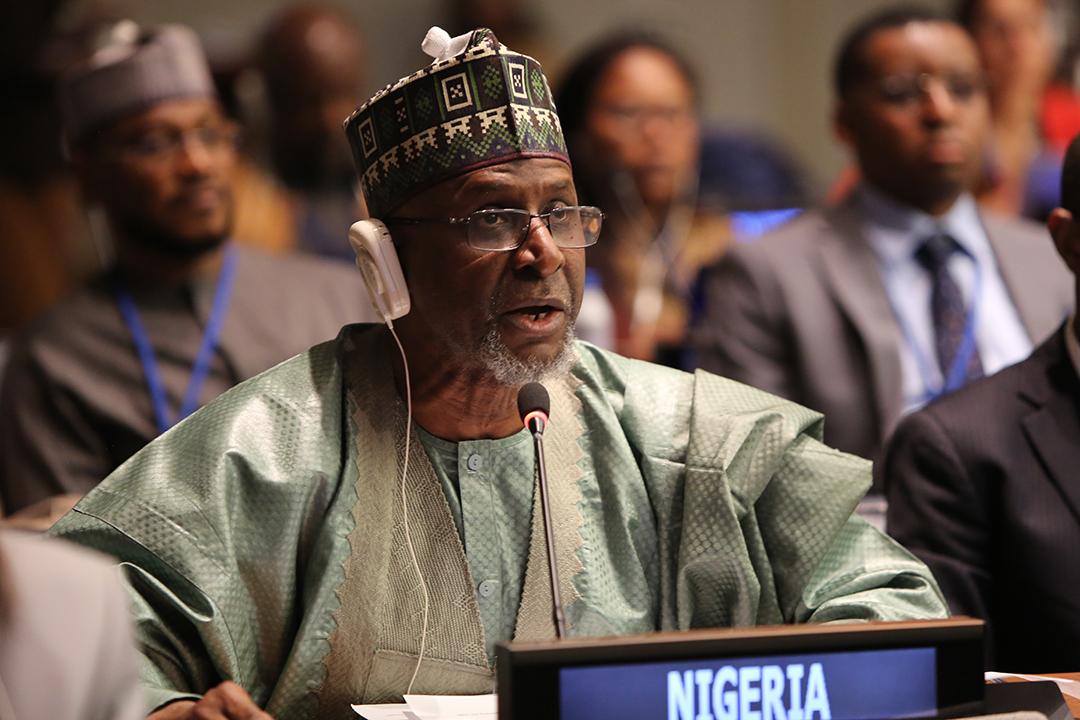
Climate Home News reported that Nigeria’s environment minister Balarabe Abbas Lawal said that at UN climate summits “we talk about loss and damage funds, and all these years nothing has been translated into action.”
“Although Nigeria is one of the wealthiest and most populous countries in Africa, it remains highly exposed to climate change, especially through the vulnerability of its agriculture”
At London Climate Action Week on Tuesday, Lawal added that the fund “looks like a mirage,” and Climate Home News said the fund was agreed at COP27 in 2022 and officially set up the next year after a four-year set up period.
Climate Home News reported that Ibrahima Cheikh Diong, appointed CEO in 2024, told the outlet the fund is “moving according to plan,” and Diong said the board would decide which projects to fund at its next board meeting in the Philippines starting on July 8.
The outlet said a call for funding requests launched at COP30 closed on June 15, and it reported that projects—including those to strengthen responses to floods in Bangladesh and Lagos and improve water infrastructure in Jamaica—bid for a combined $250 million.
Climate Home News also said wealthy nations promised the fund $822 million and delivered just $449 million, and it quoted Climate Action Network International head Tasneem Essop saying, “Rich countries must be held strictly accountable for the devastation they have caused.”
More on Technology and Science

China’s LineShine Tops TOP500, Surpassing U.S. El Capitan at ISC 2026 in Hamburgo
15 sources compared
Apple Raises Mac And iPad Prices As Chip Demand For AI Data Centers Surges
15 sources compared

UK Sets New Highest June Temperature as Met Office Records 36.7C in Somerset
16 sources compared

Slate Auto Begins Taking $300 Preorders for $24,950 Electric Pickup With 205-Mile Range
15 sources compared